ASD_Lecture 18
Design Patterns in System Interaction
Introduction to the Home Theater Class
- The discussion begins with an introduction to a new class called "Home Theater," which is designed to manage interactions among various components within a system.
- The speaker emphasizes that understanding the complexities of subsystems is unnecessary, as the goal is to simplify user interaction through design patterns.
Building the Home Theater Class
- The Home Theater class can access methods from all subcomponents like amplifiers, tuners, and projectors, allowing for streamlined functionality.
- It’s noted that additional components can be integrated into this class, enhancing its capabilities while maintaining focus on user experience.
Purpose of Design Patterns
- The primary aim of using design patterns is to simplify subsystem complexity and present a more user-friendly interface.
- A specific example discussed involves managing movie playback without requiring users to understand intricate steps involved in the process.
Object Creation and Method Invocation
- To create an object of the Home Theater class, instances of all necessary components (amplifier, tuner, etc.) must be created first and passed through its constructor.
- This leads to a question about whether clients can invoke methods directly without using the Home Theater class. It highlights potential complications in managing multiple objects.
Benefits of Using Design Patterns
- The speaker explains how design patterns reduce coupling between systems and concrete classes by providing a unified interface for interacting with subsystems.
- By minimizing knowledge about subsystem details from users, it enhances usability and reduces complexity in method invocation.
Guidelines for Effective Implementation
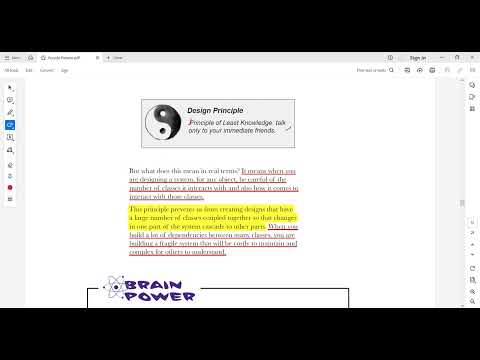
- Key guidelines are provided for implementing design patterns effectively: reducing dependencies between classes and ensuring clear communication pathways within systems.
- Emphasis is placed on adhering to principles that facilitate good design practices while developing software systems.
Conclusion on Design Pattern Utility
- The discussion concludes with insights on maintaining low coupling between classes while ensuring they interact efficiently through well-defined interfaces.
- Overall, utilizing design patterns helps streamline development processes by simplifying interactions across complex systems.
Understanding Object Interaction in Programming
Object Invocation and Method Access
- The discussion begins with the concept of invoking methods from an object, emphasizing that any method within the object can be accessed without issues.
- It is highlighted that when accessing methods, it does not affect other components, ensuring stability in the program's functionality.
- An example is provided using a class named "Car," illustrating how various methods can be called while adhering to principles like "min" and "bubble list."
- The importance of passing objects correctly to methods is discussed, specifically mentioning a method called "start" which requires an object of type 'key.'
Ensuring Consistency in Object Usage
- A scenario is presented where an object named 'نور' (light) is created to ensure consistency in method invocation.
- The speaker emphasizes that one can invoke any method present in the component without encountering problems, reinforcing flexibility in programming practices.
- The concept of updating dashboards through existing objects is introduced, suggesting that all necessary methods should be accessible for effective updates.
Design Principles and Best Practices
- A design principle is mentioned regarding minimizing null references between classes to enhance reliability and maintainability.
- Strategies are discussed on how to maintain this principle while still allowing for dynamic interactions among multiple objects.
Conclusion on Adapter Patterns
- The session concludes with a reference to adapter patterns as part of best practices in programming, indicating their role in facilitating better interaction between different components.