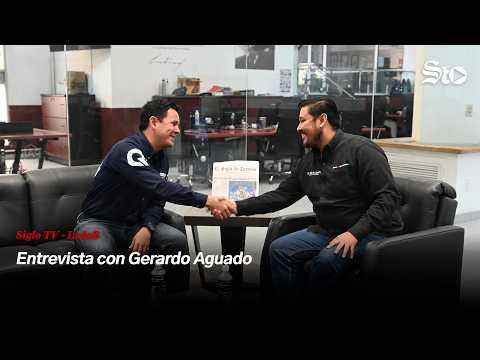
Lado B: Entrevista con Gerardo Aguado
Introduction to the Election Campaign
Overview of the Interview
- Ed Molina introduces the electoral campaign leading up to the June 7 elections for local Congress renewal.
- Gerardo Aguado, candidate for local deputy from PAN, is welcomed by Molina.
Current Status of the Campaign
- Aguado discusses the nearing end of the campaign and highlights ongoing proposals shared with constituents.
- He emphasizes a focus on clear and understandable proposals targeting various community sectors.
Key Proposals from Gerardo Aguado
Main Focus Areas
- Aguado outlines three main areas of focus: security, employment, and infrastructure.
- He stresses enhancing police training and mental health support as part of his security strategy.
Economic Development
- The candidate links improved security to attracting investment in Torreón due to its strategic location.
- Emphasizes that job creation leads to better quality of life for families, which is central to his campaign.
Infrastructure and Connectivity
Importance of Planning
- Aguado highlights the need for improved city infrastructure and public transport connectivity.
- He proposes reforms aimed at increasing resources for infrastructure projects to enhance accessibility across Torreón.
Summary of Proposals
Core Message
- The three primary proposals are:
- Security improvements for family safety,
- Job creation for economic growth,
- Infrastructure development for enhanced attractiveness to businesses.
Call to Action
Voter Awareness
- Aguado calls on voters to engage in informed decision-making by comparing candidates' experiences and proposals.
Final Push Before Elections
- In these final weeks, he aims to reinforce awareness about intelligent voting based on candidates' sensitivity towards community needs.
Candidate's Capabilities
Legislative Skills
- Emphasizes that effective representation requires strong communication skills in legislative settings.
Importance of Informed Voting
Citizen Engagement
- Stresses that citizens should be well-informed about their candidates’ qualifications before making voting decisions.
Addressing Key Issues in Campaign
Major Themes Discussed
- Highlights two main issues: water management and security as critical topics throughout his campaign discussions.
Growth Without Planning Concerns
- Acknowledges current construction projects affecting citizens but insists they are necessary for future mobility improvements.
Planning Challenges
- Discusses how unplanned growth has led to service issues like water shortages in certain districts.
Connectivity Solutions
- Proposes that all new developments must ensure adequate connectivity and services before approval.
Urban Planning and Quality of Life
Importance of Viability in Construction Licenses
- A rigorous viability test is required before granting construction permits, ensuring essential services like connectivity, transportation, and water are available.
- Many new real estate developments are located far from societal infrastructure, leading to isolation.
Social Issues Arising from Poor Planning
- Lack of access to quality living conditions can lead to job desertion, educational dropout rates, substance abuse, domestic violence, and mental health issues.
- Proper urban planning is crucial; penalties for officials who issue licenses without ensuring necessary services are proposed.
Transportation Infrastructure
- Effective transportation involves more than just vehicles; it requires well-planned roads and infrastructure that support connectivity.
- Establishing a legal framework in Congress is essential for resource allocation towards infrastructure and mobility improvements.
Enhancing Public Spaces
- Safety for pedestrians must be prioritized alongside public transport options to improve overall quality of life.
- Comprehensive urban development will attract investment by providing guarantees for businesses while focusing on quality employment opportunities.
Interconnectedness of Urban Issues
- The proposals focus on interconnections between security, infrastructure, urban planning, and investment conditions benefiting families directly.
- Human factors often get overlooked in development proposals; addressing social issues like mental health is critical.
Legislative Approaches to Urban Challenges
Integral Solutions for Urban Growth
- Gerardo Aguado emphasizes the need for high-quality public spaces as preventive measures against crime and substance abuse.
- Recovery policies for public spaces should include recreational areas where families can engage in sports and cultural activities.
Consequences of Neglected Public Spaces
- Abandoned public areas become hotspots for criminal activity if not maintained properly.
- The deterioration of community spaces weakens social fabric by driving families away from these environments.
Addressing Substance Abuse Issues
- Increased alcohol and drug problems correlate with the lack of recreational spaces available to the youth.
- Personal accounts highlight rising substance abuse among individuals due to insufficient leisure facilities.
Strengthening Community Policing
Role of Proximity Police
- Proximity police can help deter crime in neighborhoods but require better support systems including mental health resources.
Professionalizing Law Enforcement
- Improving police working conditions through better salaries and mental health support leads to enhanced community trust.
Building Trust Between Police and Society
- A reciprocal relationship between citizens and law enforcement fosters a safer environment where communities feel empowered to report crimes.
Holistic Approach Towards Quality of Life
Comprehensive Policy Framework
- Employment generation, connectivity improvements, public space enhancement, proximity policing all contribute collectively towards improving quality of life.
Impact on Social Fabric
- Current welfare programs may inadvertently encourage dependency rather than fostering self-sufficiency among families.
Need for Further Programs
- More initiatives are needed beyond current proposals to address complex urban challenges effectively.
Agenda and Community Engagement
Overview of Campaign Activities
- The candidate outlines a busy agenda involving media engagements and visits to various neighborhoods, emphasizing the importance of connecting with constituents.
- Specific locations mentioned include Villa Florida, Villa Jacarandas, Magdalenas, Ana, and La Paz, indicating a thorough outreach effort across the district.
Listening to Community Needs
- The campaign focuses on engaging with residents in each electoral section to understand their needs better.
- There is a strong emphasis on addressing issues specific to human settlements like fraccionamientos (housing developments).
Proposals for Better Living Conditions
- The candidate proposes reforms aimed at ensuring proper resource management within community boards and enhancing transparency in their elections.
- Emphasis is placed on involving residents in creating regulations that promote healthy coexistence within communities.
Addressing Social Issues
- Acknowledgment of social tensions where individuals feel unsafe returning home due to conflicts with community leadership or neighbors.
- The need for legal adjustments is highlighted to provide a regulatory framework that ensures rights and social peace among residents.
Call for Informed Voting
- A call for "intelligent voting" encourages voters to assess candidates based on their ability to represent community interests effectively.
- The candidate stresses the importance of comparing profiles to identify who can truly advocate for constituents in Congress.
Closing Remarks
Gratitude and Future Engagement
- The candidate expresses appreciation for the opportunity to discuss campaign goals and wishes success as they approach the final stages of campaigning.
- Viewers are encouraged to stay informed through various media channels leading up to the elections scheduled for June 7th.