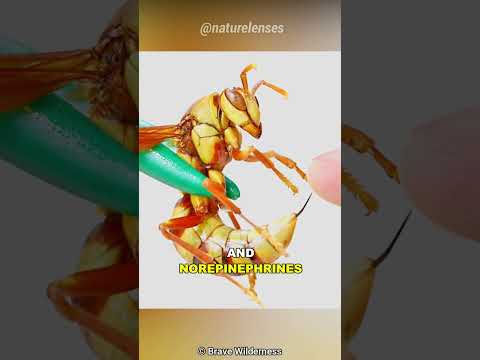
Executioner Wasp | The Stinging Nightmare
The Executioner Wasp - King of Sting
This section introduces the Executioner wasp, known for its painful sting and venomous nature.
Introduction to the Executioner Wasp
- The Executioner wasp is considered one of the scariest wasps with a reputation for having the most painful sting in the animal kingdom.
- It is nicknamed the "King of Sting" and is ranked at level 4 on the Schmidt pain index, which indicates its high level of pain.
- The sting of the Executioner wasp is more painful than that of a bullet ant.
- Their venom contains high amounts of histamines and norepinephrines, which can break down living cells and tissues around the sting site.
Habitat and Behavior
- The Executioner wasps are native to Central and South America, ranging from Arizona and Texas to Misiones province in Northern Argentina.
- Despite their notorious reputation, these wasps are relatively non-aggressive.
- They play an important role in the ecosystem by aiding pollination and hunting garden pests.
Importance in Ecosystem
This section highlights the important role played by Executioner wasps in pollination and pest control.
Role in Pollination
- Executioner wasps contribute to pollination by transferring pollen from one flower to another while feeding on nectar.
- Their visits to flowers help in fertilization and seed production.
Pest Control
- These wasps also play a crucial role in controlling garden pests by hunting insects such as caterpillars, beetles, and spiders.
- By preying on these pests, they help maintain a balance in ecosystems.
Timestamps were not provided for this section.