Mecanismos de defensa del Organismo
Microorganisms and Human Defense Mechanisms
Introduction to Microorganisms
- Microorganisms are commonly found in various environments and typically do not invade or cause infections in humans. Even when they do, the resulting infections can be mild and asymptomatic. The behavior of these microorganisms depends on both their nature and the human body's defenses.
Natural Defenses Against Infection
- The body has several defense mechanisms against infections, including:
- Physical Barriers: Skin acts as a primary barrier against many microorganisms.
- White Blood Cells: Specific types of white blood cells play crucial roles in fighting infections.
- Fever Response: Fever is part of the body's response to infection.
Role of Mucous Membranes
- Mucous membranes line respiratory pathways and produce secretions that combat microorganisms, preventing infections. They also contain cilia that help expel particles and pathogens from the body.
Activation of Immune Responses
- When natural barriers fail, specific immune responses are activated:
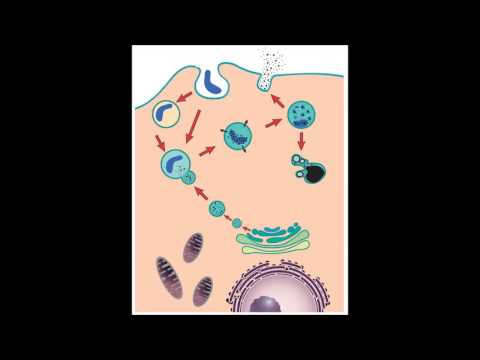
- Phagocytes: Neutrophils and macrophages respond immediately to foreign substances by recognizing, contacting, and destroying them through phagocytosis.
Specific Immune Response Mechanism
- The specific immune response involves:
- Antigen Presentation: Antigen-presenting cells display fragments of pathogens for recognition by B and T lymphocytes.
- B Lymphocytes: Responsible for producing antibodies; they differentiate into plasma cells (which produce antibodies) and memory cells (which provide long-term immunity).
Vaccination and Antibiotics
Vaccination as a Preventive Measure
- Vaccines prevent infectious diseases by stimulating an active immune response against antigens contained within them, leading to the formation of memory cells that protect against future exposures to pathogens. This process exploits the immune system's ability to generate a robust response to altered forms of pathogens.
Types of Vaccines
- Various vaccine types have been developed over time:
- Inactivated bacteria or viruses are commonly used under certain circumstances.
- Live attenuated vaccines present risks due to potential reversion to virulent forms but offer stronger immunity compared to inactivated ones.
Understanding Antibiotics
- Antibiotics are chemical substances produced by living organisms or synthetically derived that inhibit growth or kill specific microorganisms:
- They primarily target bacterial infections (antibacterials).