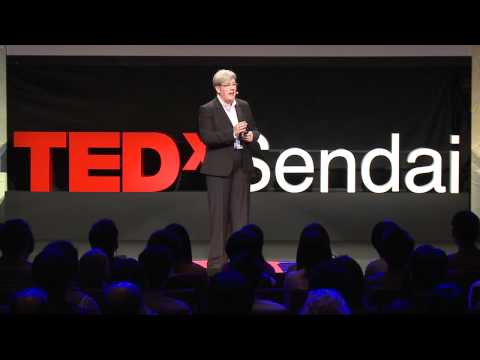
From disaster response to disaster prevention | Rachel Kyte | TEDxSendai (English)
Resilience: A Key to Overcoming Challenges
The speaker begins by sharing personal anecdotes about her resilient grandmother and transitions into discussing the importance of resilience in the face of natural disasters and climate change.
Resilience Through Generations
- The speaker reminisces about her grandmother's resilience during times of scarcity, emphasizing the importance of preserving resources for sustenance.
Current Challenges and Losses
- Highlighting the increasing frequency and impact of natural disasters globally, leading to significant economic losses and loss of lives.
Impact of Climate Change
- Emphasizing the detrimental effects of climate change on vulnerable populations, exacerbating food, water, and energy crises.
Urbanization and Vulnerability
- Discussing the rapid urbanization trends in developing countries, leading to a higher population exposed to natural disasters without adequate building codes.
Investing in Resilience Strategies
New Section
The discussion revolves around the economic benefits of investing in disaster risk resilience and how different sectors, including the private sector, are showing interest and making investments in resilience measures.
Economic Benefits of Disaster Risk Resilience
- Investing in drains saved three dollars for every dollar spent on response and reconstruction.
- Private sector interest in disaster risk resilience is growing due to its economic sense.
- The Port of Cartagena in Colombia, operated by Muelles de Bosque, invested $30 million in resilience measures after a study on climate risks.
- Data accessibility and awareness need improvement for both public and private sectors regarding climate risks.
Community Resilience
The importance of community resilience is highlighted, emphasizing the role of social bonds within communities in disaster situations.
Community Strength and Resilience
- Strong social bonds within communities enhance disaster resilience significantly.
- Neighbors play a crucial role in identifying vulnerabilities and providing initial support post-disaster.