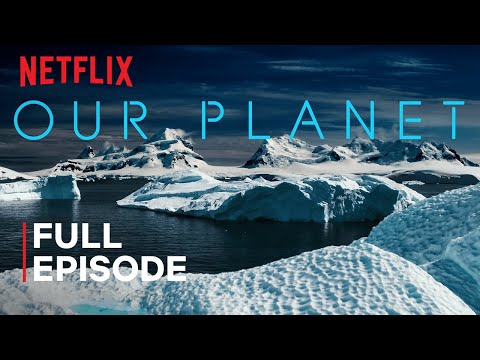
Our Planet | Frozen Worlds | FULL EPISODE | Netflix
Introduction
David Attenborough introduces the series and highlights the importance of preserving natural wonders for people and nature to thrive.
Celebrating Natural Wonders
- Just 50 years ago, humans ventured to the moon.
- Since then, the human population has more than doubled.
- This series will celebrate the natural wonders that remain.
- The goal is to reveal what we must preserve to ensure people and nature thrive.
The Polar Regions: Beyond Our Reach?
David Attenborough explains how polar regions are not beyond our influence and how changes in these frozen worlds can affect the whole planet.
Antarctica: A Frozen World
- Antarctica is the coldest place on Earth, frozen for 30 million years.
- The ice covering in its center is over four kilometers thick.
- Entire mountain ranges are buried beneath it.
- Each winter, 19 million square kilometers of ocean freezes, more than doubling the size of the ice cap.
Life Returns with Spring
- In spring, as sea ice melts, life returns once again to Antarctica's shores.
- Gentoo penguins spend most of their lives at sea but come ashore to breed in spring.
- Less than one percent of Antarctica is ice-free, and rocky patches are where gentoos can lay their eggs.
An Upside-down World
- As ice melts, light filters through creating an upside-down world where algae flourish beneath it.
- Antarctic krill graze on algae while protected by ice above them.
Predators Appear
- Once all the ice has melted, krill lose their protection and predators appear.
- Penguins still form flocks even though they have lost their ability to fly.
The Importance of Sea Ice in Antarctica
This section explores the importance of sea ice in Antarctica and how it affects the ecosystem.
The Role of Krill
- Gentoos follow krill to depths over 200 meters.
- Humpback whales can trap a giant mouthful of krill in one dive.
- Almost all humpback whales in the southern hemisphere come to the Antarctic to feed on krill.
- Since the ban on commercial whaling, humpback whale numbers have recovered dramatically, but their food supply is now under threat due to warming temperatures and disappearing sea ice.
- Krill stocks in this part of the Southern Ocean have more than halved in the last 50 years due to climate change.
Top Predators
- Over half of the world's orcas patrol these polar seas.
- Some orca pods specialize in hunting penguins.
- While this hunt may seem cruel, important life skills are being passed down from generation to generation.
Nutrient-Rich Waters
- Churning waters around Antarctica draw up nutrients from deep waters and create vast fishing grounds for nomads like wandering albatrosses.
- Currents beneath waves transport nutrients across the planet, fertilizing oceans and helping regulate global temperatures.
Life on South Georgia Island
- South Georgia Island is far enough north to be beyond reach of sea ice even in midwinter, making it home year-round for many animals such as wandering albatrosses.
- Albatross chicks need to spend a whole year growing before they're ready to take their first flight.
- The wandering albatross chick is entirely dependent on its parents returning with food, and its smaller size indicates that its mate has not been returning with food.
Entangled on Longline Fishing Lines
The breeding population of wanderers in South Georgia has declined by 40 percent due to fewer adults returning to nest. The chick is safe for now, but the seas are dangerous with giant kelp and leopard seals waiting for prey.
Dangers in South Georgia's Seas
- Giant kelp provides an ideal place for ambush.
- Leopard seals overwinter here and have delayed their departure because there are king penguins to hunt.
- Returning king penguins must run the gauntlet of predators.
- Selecting a moving target in a panicking crowd is difficult, but stragglers become easier targets.
Elephant Seals and Finding the Chick
Elephant seals are not interested in eating penguins, but it's best to avoid disturbing them. Parents go through great lengths to deliver meals to their chicks, including recognizing each other's calls amidst half a million other birds.
Avoiding Elephant Seals
- Elephant seal females don't like being disturbed from their slumber, but males are more dangerous as they fight for access to females.
- It's important to have an escape route and avoid getting bulldozed under angry blubber.
Finding the Chick
- After reaching the nursery, finding his chick among half a million others becomes the final challenge.
- Astonishingly, parents can recognize each other's calls amidst all the noise.
- The things parents go through to deliver a meal.
South Georgia's Future
South Georgia supports an extraordinary quantity of life, but its future is uncertain due to disappearing sea ice.
Dependence on Krill
- All creatures in South Georgia depend on krill that develops under the sea ice around the Antarctic peninsula.
- With sea ice disappearing, South Georgia's future is far from certain.
Effects of Climate Change in the Arctic
The Arctic is a frozen ocean surrounded by land where climate change effects are being felt intensely.
Hunting Ground for Polar Bears
- In spring, the vast and firm hunting ground of the Arctic becomes available for polar bears.
Overall, this transcript discusses the challenges faced by wanderers and penguins in South Georgia due to predators like leopard seals and elephant seals. It also highlights how their survival depends on krill that develops under sea ice around Antarctica. Additionally, it touches upon how climate change affects not only South Georgia but also the Arctic where polar bears hunt.
Polar Bears and Narwhals in the Arctic
This section explores the lives of polar bears and narwhals in the Arctic, highlighting how they rely on sea ice for survival.
Polar Bears
- Polar bears hunt seals, which make up the bulk of their diet.
- They must eat two-thirds of their yearly food before the ice melts and their hunting platform disappears.
- Changes in the ice force ringed seal mothers to leave their pups out in the open, making them vulnerable to predators.
- The new flatter ice makes it difficult for polar bears to hide and sneak up on seals.
Hunting with Cubs
- Mother polar bears must be stealthy when hunting with young cubs.
- Cubs must learn to move as one with their mother and not break her outline.
- Inexperienced young hunters may hesitate when trying to catch prey.
Narwhals
- Narwhals travel to a specific part of the Arctic each summer and wait at the ice edge for a crack to open up.
- They eagerly travel down these leads because they are safer from predators protected by the ice.
Importance of Sea Ice
- Sea ice plays a vital role in determining global climate by reflecting most of the sun's energy back into space, keeping Earth cool.
- If sea ice disappears, it will have a significant impact on the lives of creatures that live around the poles and on the climate of the whole planet.
The Loss of Sea Ice in the Arctic
This section discusses the loss of sea ice in the Arctic and its impact on wildlife.
The Disappearance of Sea Ice
- The Arctic is losing its protective white shield.
- There has been a significant decrease in sea ice cover since 1980, with 40% less during summer months.
- The Arctic is warming twice as fast as anywhere else on our planet.
- This loss of ice will have devastating consequences for all those that still depend on it.
Walruses Struggle to Adapt
- Walruses are gathering in large numbers on beaches out of desperation due to the retreat of sea ice.
- Overcrowding can lead to stampedes and death.
- Walrus calves must stay close to their mothers, but every square inch is occupied.
- Some walruses climb up cliffs for space, which is an extraordinary challenge for them.
- Hundreds fall from heights they should never have scaled when trying to return to the sea.
Changing Lives Due to Climate Change
- Mass gatherings of walrus are now happening almost every year due to climate change.
- All creatures living at the frontier of climate change are suffering as a consequence, including polar bears and seals.
The Future of the Arctic
This section discusses the future of the Arctic and what we can do to keep it.
Uncertain Future
- It is uncertain how much longer frozen worlds will be a part of life on our planet.
Call to Action
- A call to action is made for viewers to visit ourplanet.com to discover what we need to do now to keep the polar wilderness.
- The whole world needs to work together and change our ways if we want to connect the dots and solve our problems.