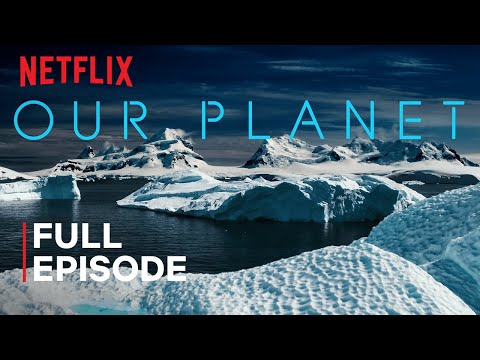
Our Planet | Frozen Worlds | FULL EPISODE | Netflix
The Wonders of Antarctica and Its Ecosystem
Introduction to Earth's Changes
- David Attenborough reflects on humanity's journey to the moon 50 years ago, highlighting how the human population has more than doubled since then.
- The series aims to celebrate natural wonders and emphasize the importance of preserving them for both people and nature.
The Polar Regions' Influence
- Despite their remoteness, polar regions are significantly affected by human actions, impacting the entire planet.
- Antarctica is described as the coldest place on Earth with ice covering over four kilometers thick in its center.
Seasonal Changes and Life in Antarctica
- As spring arrives, life returns to Antarctica's shores when sea ice melts, particularly along the peninsula towards South America.
- Gentoo penguins return ashore to breed after spending most of their lives at sea; they face challenges reaching nesting grounds.
Struggles for Survival
- Penguins navigate uphill struggles to find bare rock—Antarctica's rarest commodity—where they can lay eggs.
- A male gentoo presents a stone as a gift to his mate, showcasing courtship behavior essential for breeding success.
Impact of Climate Change on Wildlife
- Rising temperatures have led to an increase in gentoo penguin populations in certain areas where they were once rare.
- Melting ice allows trapped algae to flourish beneath it, creating a rich ecosystem akin to grasslands that supports various marine life.
The Role of Krill in the Food Chain
- Antarctic krill thrive under melting ice but face threats from predators once their protection is lost.
- Penguins dive deep (over 200 meters) following krill while employing techniques like ruffling feathers for streamlined diving.
Humpback Whales: Masters of Coordination
- Humpback whales travel thousands of kilometers to feed on krill using cooperative hunting strategies that enhance their catch efficiency.
- They create bubble nets by blasting air from blowholes, driving krill closer together before lunging upwards for feeding.
Threatened Ecosystems and Predators
- Despite recovering whale populations post-commercial whaling bans, warming temperatures threaten krill stocks by over half in recent decades.
- Orcas patrol these waters as top predators specializing in hunting penguins through stealth tactics passed down generations.
Nutrient Cycling and Global Impact
- All life forms depend on Antarctic sea ice; nutrient-rich waters support diverse marine ecosystems vital for global health.
- Strong currents transport nutrients away from Antarctica, fertilizing oceans worldwide and regulating global temperatures.
Life Beyond Sea Ice: South Georgia Island
Albatross and Penguin Survival Challenges
Albatross Life Cycle and Threats
- Albatrosses undergo extensive training before their first flight, spending years at sea before returning to land.
- A female albatross is raising her first chick, which is smaller than expected due to insufficient food brought by her mate.
- The decline in adult albatrosses returning to South Georgia for nesting has led to a 40% decrease in the breeding population.
Marine Predators and Their Impact
- While the chick is safe from land predators, the surrounding seas pose significant threats, particularly from leopard seals.
- Leopard seals have extended their stay in South Georgia's waters due to the presence of king penguins, which are a substantial food source.
King Penguins' Struggles
- King penguins face dangers while returning to feed their chicks; they must navigate through predator-rich waters.
- During a chase, both predator and prey become exhausted; sometimes hunters decide against pursuing when faced with strong defenses.
Navigating Obstacles
- After narrowly escaping danger from leopard seals, penguins still face challenges on land as they return to feed their chicks.
- Elephant seal females can be aggressive if disturbed; males pose an even greater threat during mating season.
Parental Instinct and Recognition
- A male penguin searches for his chick among half a million others by calling out and listening for its response.
- Despite the chaos of the colony, parent-chick recognition through calls allows them to find each other amidst noise.
Climate Change Effects on Arctic Wildlife
Ecosystem Dependencies
- South Georgia's diverse wildlife relies heavily on krill populations that thrive under Antarctic sea ice; climate change threatens this balance.
Polar Bear Hunting Challenges
- In the Arctic, polar bears depend on sea ice for hunting seals but face difficulties as climate change alters ice patterns.
- Polar bears must consume two-thirds of their annual food supply before summer melts away their hunting grounds.
Seal Denning Changes
- Ringed seal mothers now leave pups exposed due to late freezing conditions that prevent den building—this impacts bear hunting success long-term.
Adaptation Difficulties
- The new flat ice makes it harder for polar bears to hunt stealthily; young cub learning techniques struggle without proper cover.
Narwhals: Mysteries of Adaptation
Narwhals and the Impact of Climate Change on Sea Ice
Narwhals' Behavior and Habitat
- Narwhals wait patiently at the ice edge for cracks to open, allowing them to swim into sheltered bays. They are extremely timid and rarely filmed underwater.
- These ice whales quickly travel down leads as they open, seeking safety from predators and access to new feeding grounds.
Importance of Sea Ice
- Sea ice is crucial not only for polar creatures but also plays a vital role in global climate regulation by reflecting sunlight back into space.
- The shrinking sea ice threatens this balance; there is currently 40% less sea ice cover than in 1980, with the Arctic warming twice as fast as other regions.
Consequences of Ice Loss
- By 2040, it is projected that the Arctic Ocean will be largely free of ice during summer months, leading to devastating consequences for dependent species.
Walrus Gatherings: A Sign of Desperation
Walrus Behavior Due to Ice Retreat
- The largest gathering of walruses occurs on a single beach out of desperation due to retreating sea ice. This location is now their closest resting area near feeding grounds.
- With limited space available, walruses must climb over each other, risking injury or death from crushing or stampedes.
Struggles Faced by Walruses
- Walruses face extraordinary challenges climbing cliffs in search of rest away from crowded beaches. Their poor eyesight above water complicates navigation.
- As hunger drives them back to the sea, many walruses fall from heights they should not attempt to scale. Mass gatherings have become an annual occurrence.
The Broader Impact of Climate Change on Arctic Life
Changing Lives in the Arctic
- The lives of walruses, polar bears, and seals are increasingly affected by climate change as they adapt to shifting environments.
Future Outlook for Polar Wildlife
- While winter returns and sea ice reforms temporarily restores order for these creatures, uncertainty looms over how long their frozen habitats will remain viable.