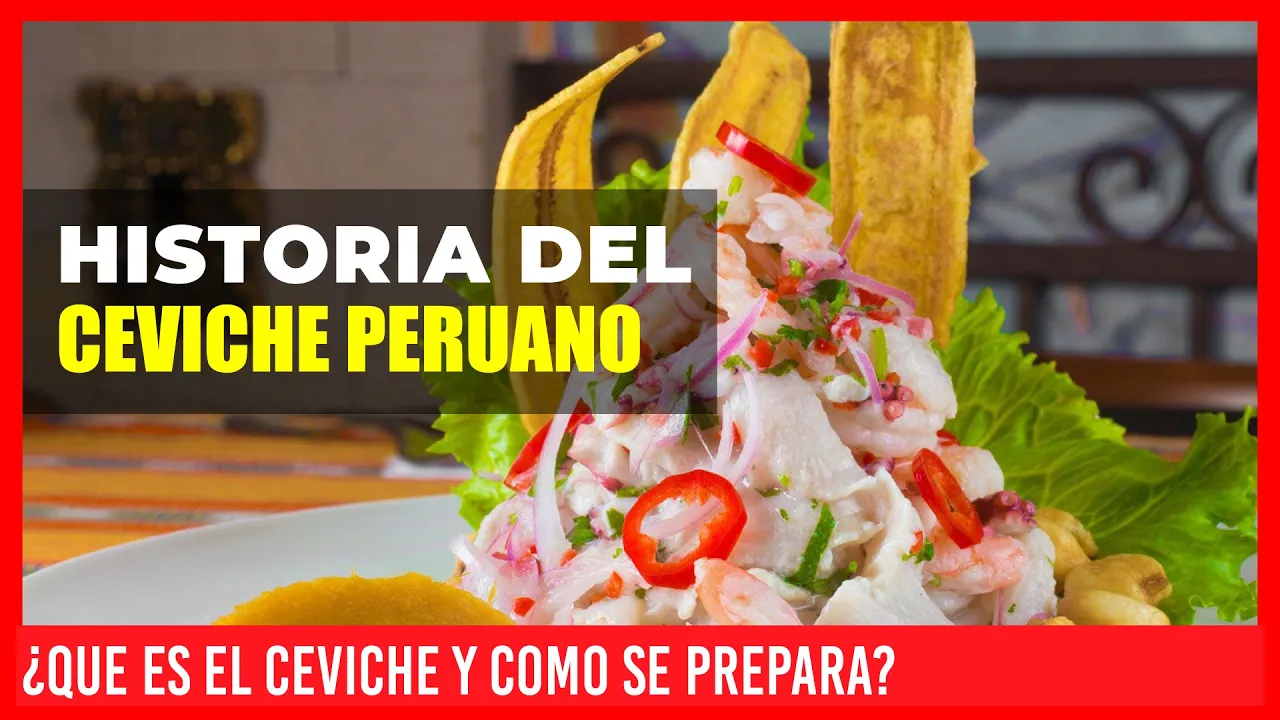
🟩 HISTORIA DEL CEVICHE PERUANO 🟩 QUE ES EL CEVICHE Y COMO SE PREPARA - RECETAS DE CEVICHE PERUANO
Introduction
The video introduces the topic of ceviche, a popular dish in Peru, and its significance in Peruvian gastronomy.
Ceviche: A Culinary Ambassador
- Ceviche is considered the flagship dish of Peruvian cuisine and is recognized as an important part of Peru's cultural heritage since 2004.
- It has gained international recognition and is served in Peruvian restaurants worldwide.
- The ceviche has been featured in prestigious publications such as The Observer and recognized as one of the best dishes globally.
- In 2019 and 2020, Taste Atlas, a renowned gastronomic guide, named Peruvian ceviche as the most popular dish in South America.
Origins and Popularity
This section explores the origins of ceviche and its popularity both within Peru and internationally.
Traditional Dish with Global Reach
- Ceviche is a traditional dish with high consumption and value within Peru.
- It is prepared using five key ingredients: fish, onion, ají limo (a type of chili pepper), salt, and lime.
- While it may seem simple to prepare, there are various techniques to ensure a good ceviche.
- There are over 2,000 different recipes for ceviche that combine more than 800 species of fish and seafood found in Peruvian waters.
Etymology of "Ceviche"
- The origin of the word "ceviche" is uncertain. Several theories suggest different etymologies.
- One theory proposes that it comes from the word "cebo," which was used to refer to food in a derogatory or diminutive manner during the 16th century. This could be due to the small size of the fish pieces used in ceviche.
- Another theory suggests that it comes from the Quechua word "siwichi," meaning fresh or tender fish.
- There is also a hypothesis linking it to the Arabic term "zibechi."
- The first documented use of the word "ceviche" dates back to 1820 in a Peruvian song called "La Chicha."
Ancient Origins
- The consumption of fish and seafood has been essential in ancient Peruvian cultures, such as the Caral civilization.
- Archaeological evidence suggests that ceviche-like preparations existed as early as 2000 BC in the northern region of Piura.
- The Moche civilization, which thrived between 100 BC and 800 AD, also prepared marinated fish similar to ceviche.
Influence of Inca Culture and Spanish Arrival
- The Inca civilization incorporated culinary techniques and food preservation methods from conquered cultures, including those related to ceviche.
- With the arrival of the Spanish, new ingredients like lemon, orange, celery, onion, garlic, and others were introduced to accompany ceviche.
- African, Arab, and Asian influences also contributed to the evolution of ceviche in Peru.
Modern Preparation
- Today, ceviche continues to be prepared using traditional techniques but with added variations influenced by different regions and personal preferences.
- It remains a beloved dish in Peru and has gained popularity worldwide.
Conclusion
The video concludes by highlighting how ceviche has become an iconic dish representing Peruvian gastronomy globally.
Cultural Significance
- Ceviche represents not only a delicious dish but also a cultural symbol for Peru.
- Its rich history and diverse flavors have made it an ambassador for Peruvian cuisine around the world.
Origins and Evolution of Ceviche
This section discusses the origins and evolution of ceviche, a popular Peruvian dish.
The Mestizo Dish
- Ceviche is referred to as a mestizo dish with contemporary origins.
- Its origin can be traced back to the town of Talan de Piura in Peru.
- The people of Talan discovered the use of lime and created the onion sauce, which became the base for many Peruvian dishes.
- Women in Talan combined the sauce with fish, creating the traditional ceviche.
Pre-Hispanic Times
- In pre-Hispanic times, people knew how to eat raw food.
- They added more lime and salt to create the current version of ceviche.
Lima's Influence
- In Lima, a new way of making ceviche emerged by replacing bitter orange with lemon from northern Peru.
- The marinating time was reduced with this citrus fruit.
- Additional ingredients like sweet potato, corn, onion, lettuce, parsley, seaweed (yuyo or alga marina) were added to enhance the flavors and give it a unique identity.
Spread to Urban Areas
- In the mid-20th century, ceviche transitioned from being a dish exclusive to fishing villages and docks to becoming popular in urban areas.
- It gained popularity among chefs in the 1990s and is now found in both high-end restaurants and modest establishments worldwide.
Regional Variations
- Different regions in Peru have their own variations of ceviche:
- Tumbes region is known for its black clam ceviche.
- Chiclayo has its classic chinguirito ceviche with plenty of onion, garlic, parsley, sweet potato, and corn.
- Arequipa offers shrimp ceviche with ají limo or rocoto.
- The Amazon region uses large river fish like sucuri or paiche.
- In the highlands, trout ceviche is popular.
Unique Variations
- Some variations break the traditional rules:
- In northern Lima, ceviche is made with mushrooms instead of fish.
- Lambayeque has a variation called "ceviche cañada" made with cooked lizard meat marinated in lime.
- Other regions prepare ceviche with meat or vegetables.
Leche de Tigre
- The traditional accompaniment to ceviche is an acidic marinade known as "leche de tigre" or tiger's milk.
- It cooks the fish without heat during the marinating process.
Freshness and National Day
- Fresh fish is essential for preparing a good ceviche.
- In Peru, June 28th is celebrated as National Ceviche Day, dedicated to enjoying this iconic dish that represents Peruvian identity across coastal, highland, and jungle regions.
Culinary Symbol
- Ceviche has evolved over centuries and has become a culinary symbol of Peru.
- It showcases the culinary prowess of Peruvians and offers a unique experience of flavors.
Conclusion
This section concludes by emphasizing how ceviche has showcased Peru's culinary capabilities throughout history and highlights its significance as a national dish representing Peruvian identity.