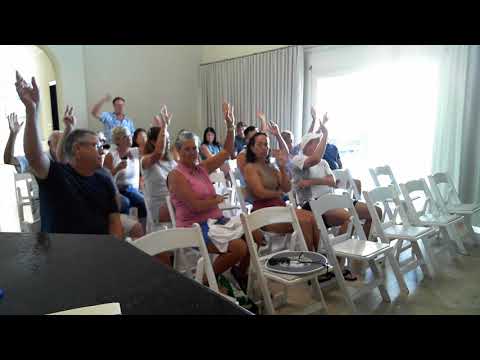
Asamblea Extraordinaria Fase 2 2026
Opening Remarks and Meeting Initiation
Introduction to the Assembly Meeting
- The speaker expresses readiness to begin, indicating a casual atmosphere with repeated affirmations of "Yeah" and "Thank you."
- The meeting officially starts at 9:06 AM, confirming attendance at 51.9484%, allowing for the commencement of the Extraordinary Assembly meeting.
Agenda Overview
- The first agenda item is the appointment of the president and secretary of the Assembly, with Tatiana designated as note-taker.
- Participants are reminded to use microphones for comments or questions to ensure proper recording throughout the meeting.
Attendance and Participation
Volunteer Engagement
- Discussion on obtaining two volunteers for various projects; Mr. Perk's intent is noted but postponed for later discussion.
- Claudia is prompted for questions, emphasizing engagement from all attendees.
Language Considerations
Bilingual Communication
- Acknowledgment that Spanish speakers are present; discussions will be conducted in both English and Spanish to accommodate everyone.
Committee Agenda Items
Approval Process
- Moving forward with agenda item three regarding approval of the 2026 Extraordinary Assembly agenda, which will be reviewed point by point.
Financial Discussions
Solar Bank Project Presentation
- Presentation on a solar bank project costing $254,130.74 USD; this amount is proposed as part of a reserve loan.
Fee Determination
- Discussion on determining an extraordinary fee during the assembly meeting; specifics about payment structure remain undecided.
Fund Management
Reserve Fund Ratification
- Proposal to ratify that funds from the Reserve Fund will be replenished annually; details pending further discussion in assembly.
Project Details
Solar Project Insights
- Further elaboration on solar project costs presented by DG Energy; legal documentation requires quotations in Spanish due to validity concerns.
Logistics and Timeline
Project Timeline
- Emphasis on a deadline for project logistics set until May 15, 2020; urgency highlighted regarding moving forward with plans.
Additional Costs Consideration
Budgeting Concerns
- Discussion around potential additional costs related to project execution; contingency budget set at $20,000 within overall project cost framework.
Operational Challenges
Community Impact
- Reflection on operational challenges faced by community members concerning ongoing projects and their implications for future planning.
Discussion on Architectural Concerns and Project Proposals
Architectural Committee's Concerns
- The architectural committee expressed concerns regarding the visual impact of a project from the golf course, questioning if it would alter the profile seen from the beach and surrounding properties.
Youth Surgery Update
- A participant noted that this marks year four for youth surgery, highlighting past challenges with acceptance rates and suggesting that previous experiences should inform current decisions.
Proposal for Solar Panel Project
- The discussion shifted to a proposal concerning solar panels, emphasizing the need for a vote to determine whether to proceed with an addition related to this project.
Financial Overview of Proposed Costs
- A financial breakdown was presented, indicating a total proposed cost of $275,000 USD for the solar panel project, which includes various contingencies.
Approval Process and Modifications
- The proposal included details about seeking final approval from relevant committees after modifications suggested by the Architectural Committee were addressed.
Contingency Planning in Budgeting
- Emphasis was placed on including contingency funds in budgeting due to unforeseen expenses encountered during phase one of similar projects.
Technical Specifications Regarding Installation
- Questions arose about how far control panels could be moved towards the beach; it was clarified that adjustments could range between one to three feet without affecting visibility significantly.
Impact on Existing Infrastructure
- It was confirmed that moving control panels would not affect existing AC units or their positions as per original schematics designed for airflow management.
Future Financial Planning
- Discussions included strategies for managing reserve funds effectively while ensuring operational budgets are maintained over time through careful planning and investment in renewable energy sources like solar power.
Long-term Energy Cost Management
- Participants discussed how implementing solar panels could stabilize future electrical costs against rising market prices, providing more control over energy expenditures.
1.6 Liters Above the Floor
Design and Space Considerations
- The redesign is based on a height of 1.6 liters above the floor, which corresponds to 770 units of roof space.
- There are challenges with galvanic loads at 40 centimeters, making it uncomfortable for workers to crawl in tight spaces.
- Discussions included input from Dr. Brunich and Roddy, as well as tech Antonio Navarro, highlighting discomfort working under solar panels.
Phase 1 Insights
- In Phase 1, all trains were changed in building number 4; this phase presented difficulties due to wall angles and required kneeling work.
- Workers expressed discomfort during installation but did not want to address additional costs associated with these challenges.
Installation Challenges
Air Conditioning Units
- Questions arose about whether there was enough space to remove and replace AC units; responses indicated it would be challenging but feasible.
- Concerns were raised regarding potential problems when removing entire air conditioning units for repairs or replacements.
Solar Panel Impact
- The team considered that while working under solar panels presents challenges, they could manage with a height of 60 centimeters instead of 40.
- Additional costs may arise if contractors quote higher prices due to the complexity of installing new AC units under solar panels.
Maintenance Considerations
Long-term Planning
- A comprehensive maintenance plan is necessary for air conditioners given their exposure to ocean conditions leading to rusting issues.
- Planned obsolescence is acknowledged; AC units will need replacement every three to five years regardless of solar panel installation.
Cost Implications
- Owners may face increased costs if contractors charge more due to difficulties posed by solar panel installations affecting access.
Decision-Making Process
Current Situation
- The group deliberated whether to release solar panels now or wait until after installation, considering cost implications for future installations.
Financial Considerations
- Discussions included financial estimates from contractors regarding potential expenses related to AC unit replacements influenced by the presence of solar panels.
Solar Panel Project Overview
Electricity Coverage
- Clarification provided that the solar panel project covers electricity for common areas such as pool pumps and hallway lights but does not reduce individual electrical bills directly.
Operational Details
- Pool heaters operate seasonally based on weather conditions, typically running from late October through April; jacuzzis remain operational year-round at a set temperature.
Architectural Committee Updates
Project Progress
- Updates discussed regarding which buildings will have solar panels installed based on recommendations from the Architectural Committee.
Owner Concerns
- Some owners expressed concerns about visibility issues related to roof structures in different phases of development.
Final Remarks on Efficiency
Interaction with Solar Panels
- Discussion highlighted the need for clarity on how changes in roofing efficiency might affect overall system performance concerning existing small packs.
Awaiting Responses
- The delay in receiving feedback from DEG Energy was attributed to late reviews by the Architectural Committee and subsequent meetings held yesterday.
Project Updates and Proposals
Engineering and Proposal Development
- D&G is awaiting an initial proposal from the engineer, who is currently on vacation in Japan and China but will return next week to finalize details.
- The community has assessed traffic concerns related to AC service, confirming that it won't impair existing water systems, which are in reasonable shape.
Structural Considerations
- Supports for the project are being placed on a concrete base rather than directly on the ground, enhancing stability.
- There are ongoing discussions about water drainage issues; current designs prevent direct access for water flow.
Maintenance Insights
- Maintenance of catwalks occurs biannually; dirty conditions can reduce energy efficiency, necessitating regular cleaning with minimal equipment.
Learning from Phase 1
Energy Efficiency Challenges
- Observations from Phase 1 indicate that maintenance practices must be improved to avoid energy reduction due to dirt accumulation.
Project Management Dynamics
- All inclusive building contractors are involved in the project, ensuring comprehensive oversight and adherence to specifications.
Deadline Concerns
Timeline Management
- There is concern regarding meeting deadlines without price increases; efforts are being made to ensure capital availability by May 1st.
Financial Strategy
- The team aims to utilize capital effectively without breaching regulations while maintaining a timeline of approximately 75 days for project completion.
Committee Collaboration
Architectural Committee Engagement
- Recent meetings with the Archive Vestal Committee have led to assurances of collaboration on modifications needed for expediting processes.
Key Personnel Involvement
- Eduardo Quimpero's expertise is highlighted as crucial within the committee structure, ensuring effective communication between owners and stakeholders.
Approval Processes
Representation in Approvals
- Each phase has designated representatives who participate in approval processes, facilitating better communication among various stakeholders involved in construction projects.
Future Planning
Installation Timelines
- The EG company has stock ready for installation pending approval; they anticipate a six-week timeframe once greenlit.
Long-term Vision
- Discussions reflect a long-term commitment to improving infrastructure over decades while addressing immediate operational challenges.
Financial Perspectives and Community Insights
Overview of Current Challenges
- Discussion on the financial implications for Georgia's community, highlighting concerns about ongoing costs and sustainability.
- Emphasis on the importance of amenities in housing decisions, reflecting a philosophy that prioritizes affordability for families.
- Acknowledgment of personal struggles with financial stability while managing family responsibilities.
Energy Production and Credits
- Introduction to the Civil Association's credit system for energy production, where each kilowatt produced earns credits.
- Mention of potential changes in energy policies but current stability due to high demand from aging electricity plants.
- Explanation of how excess energy production is credited back to users, creating a beneficial cycle for households.
Future Projections and Decisions
- Discussion on seasonal energy needs, particularly emphasizing summer versus winter requirements.
- Reflection on past performance metrics related to energy efficiency over time, indicating gradual improvements.
Project Costs and Budget Adjustments
Financial Updates
- Announcement regarding project cost adjustments from $254,374 to $275,000 USD due to unforeseen expenses.
- Clarification on budget allocations and their impact on future projects within the community.
Long-term Planning Considerations
- Insight into self-reported data affecting team decisions regarding budget management and project timelines.
- Discussion about historical case management outcomes over 15 years as a basis for future planning strategies.
Carbon Reserves and Insurance Processes
Environmental Responsibility
- Commitment to reducing carbon reserves while maintaining legal compliance during environmental assessments.
Risk Management Strategies
- Concerns raised about potential catastrophic events impacting reserve levels; emphasis on preparedness despite current depletion rates.
Construction Insurance Details
- Clarification needed regarding insurance processes tied to construction contracts; documentation requirements highlighted.
Solar Panel Project Discussion Summary
Contractual Responsibilities and Insurance
- The DEG is responsible for all insurance until the final signing, after which it becomes the responsibility of the involved parties.
- Prior business insurance does not cover any incidents until project completion.
Project Approval and Financial Considerations
- A proposal for a solar panel project costing $275,000 USD is under discussion for approval.
- Clarification sought on whether this is a final approval or just an increase in overall program costs; it's noted that further discussions are needed regarding payment issues.
Neighbor Participation and Payment Issues
- Concerns raised about neighbor participation; 50% plus one is required for approval, but non-payment could be problematic.
- Proposed remedies discussed if neighbors refuse to pay their share, including potential legal fees and interest.
Funding and Resource Management
- Questions arise about workforce requirements and funding sources if some owners do not pay their assessments.
- Emphasis on establishing a policy to ensure confidence in proceeding with the project despite potential non-payment from neighbors.
Voting Process and Next Steps
- The current focus is on voting for the solar panel project at a total cost of $275,000 USD; if voted down, other agenda items will follow.
- Additional details provided regarding the breakdown of costs associated with the solar panel project.
Discussion on Financial Proposals and Voting Process
Overview of Financial Implications
- The discussion begins with a mention of financial capital affecting monthly expenses, specifically referencing 1.7 million pesos.
- A breakdown of percentages related to community engagement is provided, indicating that a significant portion of the population may not be actively involved.
- Suggestions are made regarding proposals for community involvement, emphasizing the importance of participation in decision-making processes.
Proposal Details and Community Engagement
- The speaker highlights various proposals aimed at fostering collaboration among stakeholders while adhering to existing regulations.
- Questions arise about Apple's performance in relation to current challenges, suggesting a need for strategic solutions moving forward.
Voting Procedure Explained
- A specific proposal involving a video content project costing $275,000 USD is introduced, setting the stage for an upcoming vote.
- Instructions are given on how to cast votes, including writing "yes" or "no" and submitting them to designated counters for verification.
Community Interaction and Feedback
- Participants express enthusiasm about the voting process and engage in light-hearted conversation about logistics.
- Clarifications are sought regarding whether names need to be included on ballots; it is confirmed that only condo numbers are necessary.
Closing Remarks and Future Engagement
- The atmosphere remains positive as participants reflect on their responsibilities within the community framework.
- An individual expresses eagerness to contribute further but acknowledges limitations due to time constraints during discussions.
Meeting Overview and Initial Remarks
Opening Statements
- The meeting begins with casual greetings and acknowledgments, setting a friendly tone among participants.
- Participants express gratitude for the opportunity to gather, indicating a positive atmosphere.
- There is an emphasis on the importance of collaboration and teamwork as they prepare to discuss key agenda items.
Approval of Solar Panel Project
- The solar panel project has been approved with a total cost of $275,000; 43.955% voted in favor while 10.826% opposed.
- Clarification is sought regarding procedural details related to the approval process and participant involvement.
Financial Discussions
- A financial overview indicates that there are significant funds available for upcoming projects, emphasizing fiscal responsibility.
- Discussion includes projections for patient numbers and resource allocation over the next few years.
Budgeting and Resource Allocation
Capital Reserve Management
- Concerns are raised about managing capital reserves effectively while ensuring operational efficiency.
- Plans are discussed for budgeting future expenses, including potential costs associated with new technology implementations.
Energy Cost Projections
- A conservative estimate of a 3.5% annual increase in electricity costs is debated; historical data suggests it may be closer to 7%.
Voting Procedures and Decisions
Voting Mechanics
- The group discusses voting procedures, including how proxies will be counted during decision-making processes.
Extraordinary Fee Considerations
- An extraordinary fee proposal is introduced; discussions focus on its implications for funding future initiatives.
Future Planning and Ratifications
Fund Ratification Process
- Ratification of funds allocated for various projects is confirmed; this will occur annually based on assembly meetings' decisions.
Long-term Financial Goals
- Projections indicate increasing financial commitments over the next several years, highlighting the need for strategic planning to ensure sustainability.
Discussion on Financial Figures and Assessments
Overview of Financial Changes
- The previous amount discussed was around 25,000, but the current figure is uncertain.
- A total of 1.7 million is due in 30 years, with a mention of Perth's different financial practices.
- In 2018, the amount was noted as 25,613; recent changes have increased it to 29,000.
- The speaker mentions being 28 years old and reflects on how leaders can influence financial decisions.
Voting Process and Fund Allocation
- The agenda includes voting on the Uncomput Reserve Fund for a solar panel project and an additional assessment fee due by April 24th.
- Clarification sought regarding the creation of points and balance management for three separate items.
Assembly Agreement
- Confirmation that all assembly members agree on using one rule to vote on three points collectively.
Closing Remarks and Future Actions
General Sentiments
- Expressions of gratitude are exchanged among participants, indicating a positive atmosphere at the meeting.
Next Steps in Property Services
- Discussion about transferring responsibilities to property services with specific references to office locations and personnel involved.
Reflections on Leadership Responsibilities
Challenges in Decision-Making
- Leaders face challenges in determining directions for projects; past experiences highlight difficulties encountered during transitions.
Transitioning Roles
- Conversations reflect on aging leadership roles and their impact on business operations; change is acknowledged as inevitable.
Importance of Audits and Accountability
Audit Processes
- Emphasis placed on conducting audits during transitions to ensure proper financial management; accountability is crucial.
Legal Considerations
- Discusses potential legal issues when hiring outside help for property services; stresses responsibility remains with the organization.
Overview of Film and Journalism
Discussion on Film and Operations
- The conversation begins with a reflection on the relationship between journalism and film, emphasizing how both fields intersect in storytelling.
- Plans for a project named "Bach the West" were initiated in May 2014, marking a significant operational start for the team involved.
- There is an acknowledgment of challenges faced during this period, hinting at ongoing debates and discussions among team members.
Personal Reflections and Collaborations
- A mention of personal connections within the organization, highlighting Francis's role as a guest speaker or contributor to discussions.
- The need for assistance in family planning is discussed, indicating that personal matters intertwine with professional responsibilities.
Team Dynamics and Future Planning
Collective Efforts
- The group expresses gratitude for their collaborative efforts, suggesting that teamwork has been crucial to their progress.
- Anticipation builds around upcoming practices or meetings scheduled for later that evening, showcasing commitment to preparation.
Repeated Themes of Return
- A repetitive emphasis on returning to previous tasks or projects suggests a cyclical nature of their work environment.
Financial Discussions and Meeting Agenda
Financial Matters
- A discussion about financial systems indicates the importance of funding and resource allocation within their operations.
- Emphasis on accountability regarding collected funds reflects an organizational focus on transparency and ethical management.
Meeting Proceedings
- Details are shared about agenda items concerning solar project payments and extraordinary fees, illustrating structured decision-making processes.
Assembly Meeting Closure
Nomination Process
- Nominations are made for delegates responsible for legalizing meeting minutes, demonstrating procedural adherence within the assembly context.
Conclusion of Assembly
- The assembly concludes formally at 11:23 PM on March 27th, 2026, marking an end to discussions while ensuring all necessary actions have been documented.
Final Thoughts
Reflection on Outcomes
- Closing remarks reiterate themes from earlier discussions about collective experiences throughout the day’s events.
Turn any video into a summary like this
YouTube links, meetings, lectures — with transcripts, search, and chat.