ENVASE, EMPAQUE Y EMBALAJE
Detailed Explanation of Packaging Terminology
This section provides a detailed explanation of the terms "envase," "empaque," and "embalaje" in the context of packaging.
Envase, Empaque, and Embalaje
- Envase Definition : An envase is a flat or container that holds a product in suitable quantities for sale. It serves functions like conditioning, containing, protecting, identifying, and informing about the product.
- Types of Envases :
- Number 1: Glass containers commonly sealed under pressure with an aluminum lid.
- Number 2: Cylindrical tinplate made from thin steel coated with pure tin and varnish to prevent corrosion.
- Number 3: PET bottle with a fully metallized label.
- Number 4: Cardboard packaging in parallelepiped form with layers of cardboard and aluminum.
- Packaging Characteristics :
- Paper parchment used for wrapping butter, margarine, meats, and cheeses; resistant to moisture, fats, oils; moldable and clean.
- Modified atmosphere packaging halts ripening at desired stages, prevents odor mixing, extends product life.
Functions of Packaging: Envase vs. Empaque
This section distinguishes between envase (primary packaging) and empaque (secondary packaging) by outlining their respective functions.
Envase vs. Empaque Functions
- Envase (Primary Packaging) :
- Encloses an article directly; preserves it for consumer delivery.
- Empaque (Secondary Packaging):
- Reduces product loss; conveys product characteristics to consumers; emphasizes purchase desire.
Characteristics and Materials for Ideal Packaging
Discusses the essential functions of ideal packaging along with the primary materials used for packaging products effectively.
Ideal Packaging Characteristics
- Four Basic Functions : Contain, retain compatibility, practicality are key aspects of ideal packaging.
Primary Packaging Materials
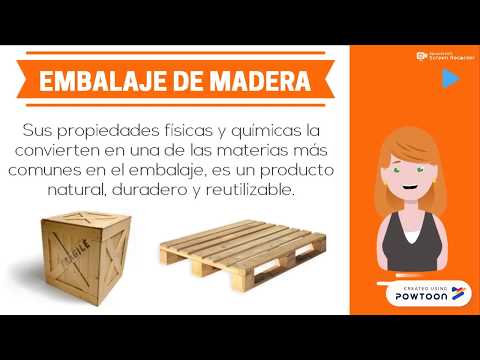
- Materials Used: Paper absorbs moisture but can delay decay; plastics offer strength; metals provide durability; textiles are cost-effective; wood is reusable; composite materials combine paper/aluminum/plastic.
Understanding Embalaje in Product Protection
Explores embalaje as crucial in safeguarding products during temporary storage and transportation through its protective functions.
Protective Functions of Embalaje
- Protection: Safeguards products during transport/storage.
- Identification: Provides information on product characteristics/handling methods to reduce damage/loss.
- Handling Facilitation: Aids counting/distribution/transportation efficiency.
Significance of Cardboard Packaging
Highlights the importance of cardboard as a widely used material in packaging due to its properties enhancing protection during transportation/storage.
Cardboard Properties
- Durability & Resistance: Strong fibers prevent easy tearing/bending ensuring content protection.
- Sustainability: Highly recyclable material supporting environmental conservation efforts.
Additional Benefits
- Insulation against heat/cold
- Easy customization/printing