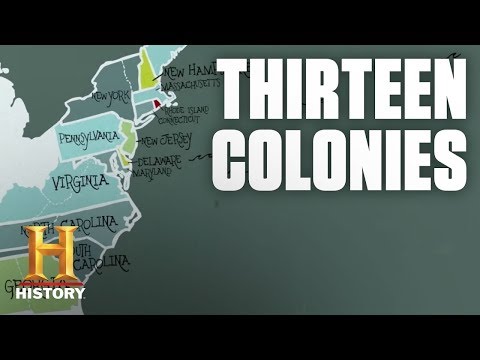
The Founding of the 13 Colonies | History
History of the U.S. Colonies
The Formation of Early Colonies
- The United States began as 13 small colonies, starting with Virginia, where wealthy London businessmen requested permission from the British King to establish a settlement in the New World.
- The first permanent American colony was established at Jamestown by 104 British colonists. Following this, Massachusetts was founded by Pilgrims who arrived on the Mayflower and settled in Plymouth.
- New York was originally pioneered by the Dutch, who named it New Amsterdam. Maryland followed in 1634, becoming home to various religious groups including Puritans, Quakers, and Catholics.
Expansion of Colonies
- Connecticut was formed when 100 Puritans left Massachusetts to create a new colony at Hartford. Rhode Island was initially called Red Island by the Dutch.
- Delaware and New Hampshire were established next; both had historical ties to Maryland and Massachusetts at different times.
- North Carolina was settled by Virginian colonists ten years before South Carolina received its charter, which led to both colonies being combined into one until 1712.
Notable Developments
- Pennsylvania was granted to William Penn in 1681 as repayment for a debt owed to his father by the British King.
- Georgia emerged as a penal colony for English debtors and served as a buffer zone between British colonies and Spanish-controlled Florida, which remained under Spanish rule until 1821.