Project Portfolio Management Defined
What Is Portfolio Management?
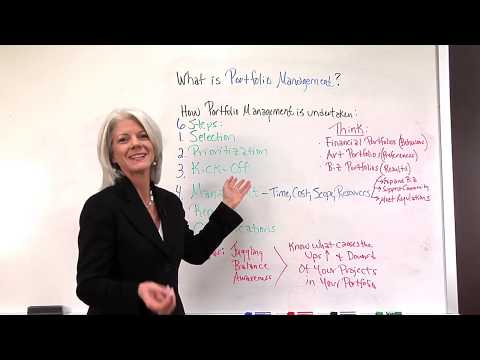
In this whiteboard session, Jennifer Whitt explains the concept of portfolio management in project management. She simplifies the topic and discusses the critical steps involved in managing a portfolio.
Understanding Portfolio Management
- A portfolio is a collection of projects or programs, which can be related or non-related.
- Managing a portfolio involves considering several key steps:
- Selection: Choosing projects that align with specific business objectives.
- Prioritization: Determining the order of importance for decision-making, budgets, and resources.
- Kick-off: Initiating the projects or programs within the portfolio.
- Management and Tracking: Closely monitoring time, cost, scope, and resources to maintain the integrity of the portfolio.
- Reporting: Deciding on necessary reports and their recipients to track progress.
- Communications: Keeping stakeholders informed about changes and updates within the portfolio.
Key Concepts in Portfolio Management
- Juggling: Managing multiple projects or programs within a portfolio.
- Balance: Maintaining equilibrium even when things are out of balance by measuring and tracking discrepancies.
- Awareness: Having a comprehensive understanding of all moving parts within the portfolio to effectively manage it.
Examples of Portfolios
- Financial Portfolio:
- Includes stocks, bonds, cash reserves (e.g., treasury bills).
- Requires balancing different components based on market fluctuations to ensure stability.
- Art Portfolio:
- Reflects personal preferences and favorites in terms of artistic work choices.
- Business Portfolio:
- Focuses on achieving results such as expanding business operations, supporting communities' growth, and meeting regulatory requirements.
These concepts provide an overview of what portfolio management entails. By following these steps and understanding key principles, project managers can effectively manage portfolios to achieve desired business objectives.