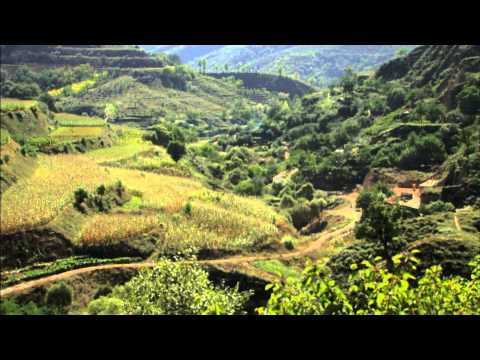
Hope in a Changing Climate - by John D. Liu (2009)
China's Loess Plateau: A Journey of Transformation
Introduction to the Loess Plateau
- My name is John D Liu, and I have been documenting changes on China's Loess Plateau for 15 years. I first visited in 1995 to film a project aimed at transforming this barren land into a green and fertile landscape.
The Impact of Environmental Degradation
- The plateau was once one of the poorest regions in China, suffering from floods, mudslides, and famine due to severe environmental degradation caused by thousands of years of agricultural exploitation.
- Observing the poverty and degradation made me realize that many human tragedies like droughts and famines are not inevitable; they can be addressed through environmental restoration efforts.
Historical Context and Challenges
- The region spans 640,000 square kilometers across North Central China, with its natural abundance diminished over time due to relentless grazing and poor agricultural practices. This led to soil erosion where rainfall washed away vital nutrients.
- As soil eroded into the Yellow River, it contributed to flooding issues downstream, creating national problems from local environmental challenges. Dust storms also emerged as unprotected soil was swept up during dry seasons.
The Cycle of Poverty and Environmental Damage
- Continuous use of degraded land trapped local populations in subsistence farming, leading to a vicious cycle where poverty further degrades the environment. Understanding this connection is crucial for reversing destructive processes affecting communities worldwide.
Initiatives for Restoration
- In collaboration with Chinese and international experts, it was determined that ceasing farming in key areas would allow vegetation to recover; however, farmers needed assurance regarding land tenure before agreeing to these changes.
- Local farmers were convinced by promises that they would benefit directly from their investment in ecological restoration projects designed around replanting trees (hats), building terraces (belts), and constructing dams (shoes).
Results of Restoration Efforts
- Farmers received financial compensation for protecting ecological zones which led to significant increases in agricultural productivity as natural vegetation returned around terraced fields. Water retention improved significantly due to restored vegetation cover on slopes.
- Over an area of 35,000 square kilometers has seen restoration efforts yield positive results not only locally but also reducing sediment flow into the Yellow River significantly impacting broader environmental health across regions beyond the plateau itself.
The Impact of Vegetation Restoration on Climate and Communities
Benefits of Vegetation Restoration
- The restoration of vegetation on hillsides has led to the establishment of greenhouses filled with vegetables, extending the growing season and increasing agricultural value.
- Local markets now showcase a diverse range of produce, with follow-up studies indicating that incomes have tripled as a result of these agricultural improvements.
- The project contributes to climate change mitigation by enhancing photosynthesis in plants, which removes carbon from the atmosphere, thus countering human greenhouse gas emissions.
Ecosystem Resilience and Global Applications
- Improved health of ecosystems in regions like the Loess Plateau enhances their ability to withstand negative impacts from climate change.
- Lessons learned from the Loess Plateau rehabilitation are being applied across China; however, questions arise about replicating such projects in less centralized societies with fewer resources.
Challenges Faced by Ethiopia
- Ethiopia exemplifies vulnerability to environmental catastrophes exacerbated by war and climate change; centuries of subsistence farming have stripped natural vegetation.
- Erosion has created dry gullies that exacerbate flooding during rainy seasons, leading to drought conditions detrimental to agriculture and contributing to famine.
Successful Rehabilitation Efforts
- In just six years, Professor Lessa Nash and local villagers have transformed eroded terrain through indigenous tree planting, resulting in a flowing stream where there was once only a trickle.
- The regeneration of vegetation allows rainwater to infiltrate the ground rather than running off, maintaining water flow throughout the year—essential for life.
Community Transformation Through Water Management
- Villagers in Abraha Asaha are experiencing improved water access despite poor rainfall due to small dams built with government support that capture underground springs.
- The community's efforts have led to increased food security and educational opportunities for children as they no longer rely on government aid.
Regional Implications for Environmental Restoration
- Professor Lessa emphasizes that restoring degraded landscapes is critical not only for Ethiopia but also for neighboring countries reliant on its mountain systems for water supply.
- Environmental degradation poses risks beyond dry regions; even areas like Rwanda face challenges due to over-farming leading to erosion and reduced fertility.
The Impact of Diesel Generators on Rwanda's Electricity and Environment
The Use of Diesel Generators
- The Rwandan government rented diesel power generators to compensate for a shortfall in electricity, incurring costs of $65,000 per day.
- This expenditure amounts to millions annually, straining the country's finances as Rwanda is not wealthy; some funds are borrowed from banks or sourced from taxpayers.
Environmental Consequences
- Burning diesel generates greenhouse gases, contributing to environmental damage and increasing local electricity prices by threefold.
- Policymakers recognized that human actions led to wetland degradation but could also be part of the solution through restoration efforts.
Restoration Efforts
- The government initiated programs to help farmers leave wetlands and restore degraded land, promoting tree growth and improved crop productivity.
- As wetlands recover, they provide significant water resources for hydroelectric power generation, leading to stabilized electricity prices.
Valuing Natural Systems Over Agriculture
Economic Insights
- Rwandans have realized that marshlands offer greater value as natural systems providing water for energy rather than as farmland.
- There is a disparity in valuing agricultural productivity versus the benefits provided by natural ecosystems like trees and biodiversity.
Role of Trees in Climate Mitigation
- Trees play a crucial role in reducing greenhouse gases through photosynthesis; their importance in combating climate change is often underestimated.
Lessons from Global Restoration Projects
Successful Examples
- China's Loess Plateau demonstrates successful restoration where farmers thrived despite severe drought due to improved soil health through organic material accumulation.
- Living soils retain significantly more carbon than above-ground foliage, highlighting the potential impact of restoring degraded lands on carbon sequestration.
Call for Investment in Nature
- A substantial portion of the world's land has been degraded; investing in ecological recovery can effectively address multiple global challenges including climate change and food security.
The Need for Global Action on Ecosystem Restoration
Urgency for Developed Nations
- Developed countries must recognize the potential benefits of ecosystem restoration and support local communities with capital and technology for environmental rehabilitation.
- Restoring ecosystems not only sequesters carbon but also safeguards food security and biodiversity against unprecedented loss rates.