Vitamin B12 Digestion and Absorption
Vitamin B12 Absorption Explained
Overview of the Digestive System Involved in Vitamin B12 Absorption
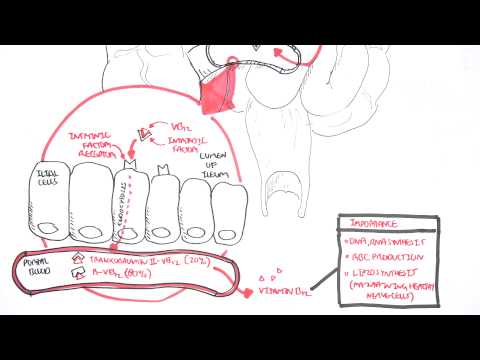
- The video begins with a visual representation of the stomach and small intestine, specifically highlighting the duodenum.
- Key structures involved include salivary glands, chief cells (producing pepsinogen), and parietal cells (secreting hydrochloric acid).
Sources of Vitamin B12
- Vitamin B12, also known as cobalamin, is primarily obtained from animal products such as eggs, milk, fish, and red meat.
- Upon consumption, vitamin B12 binds to haptocorrin (also called transcobalamin 1), which aids its absorption.
Digestion Process in the Stomach
- In the stomach, pepsinogen is converted to pepsin by hydrochloric acid; this process helps liberate vitamin B12 from food sources.
- The liberated vitamin B12 forms a complex with intrinsic factor secreted by parietal cells for further absorption in the small intestine.
Role of Pancreatic Enzymes
- As digestion continues in the small intestine, pancreatic enzymes break down proteins and release vitamin B12 from its complexes.
- The intrinsic factor-vitamin B12 complex then binds to specific receptors on ileal cells for absorption into the bloodstream.
Transport Mechanisms Post Absorption
- Once absorbed, about 20% of vitamin B12 binds to transcobalamin 2 for delivery to body tissues; however, 80% remains bound to transcobalamin 1.
- Transcobalamin 2 is crucial for cellular delivery while transcobalamin 1 circulates without facilitating cellular uptake.
Consequences of Vitamin B12 Deficiency
Symptoms Associated with Deficiency
- Signs of deficiency include anemia, fatigue, numbness or tingling due to nerve damage, slower healing rates, muscle weakness, and increased homocysteine levels.
Causes of Vitamin B12 Deficiency
- Dietary insufficiencies can lead to deficiency; infections or inflammatory reactions affecting gastrointestinal health may also contribute.
Pernicious Anemia: A Major Cause
Understanding Pernicious Anemia
- Pernicious anemia is an autoimmune disorder where antibodies attack parietal cells in the stomach leading to a lack of intrinsic factor production necessary for vitamin B12 absorption.
Immune Response Mechanism
Understanding Pernicious Anemia and the Immune System
The Role of the Immune System in Pernicious Anemia
- In pernicious anemia, the immune system mistakenly attacks parietal cells, which are crucial for producing intrinsic factor necessary for vitamin B12 absorption.
- Autoantibodies and immune cells can target not only the parietal cells but also the intrinsic factor itself or its receptors located on intestinal cells.
- This autoimmune response leads to a deficiency in intrinsic factor, impairing vitamin B12 absorption and resulting in anemia.