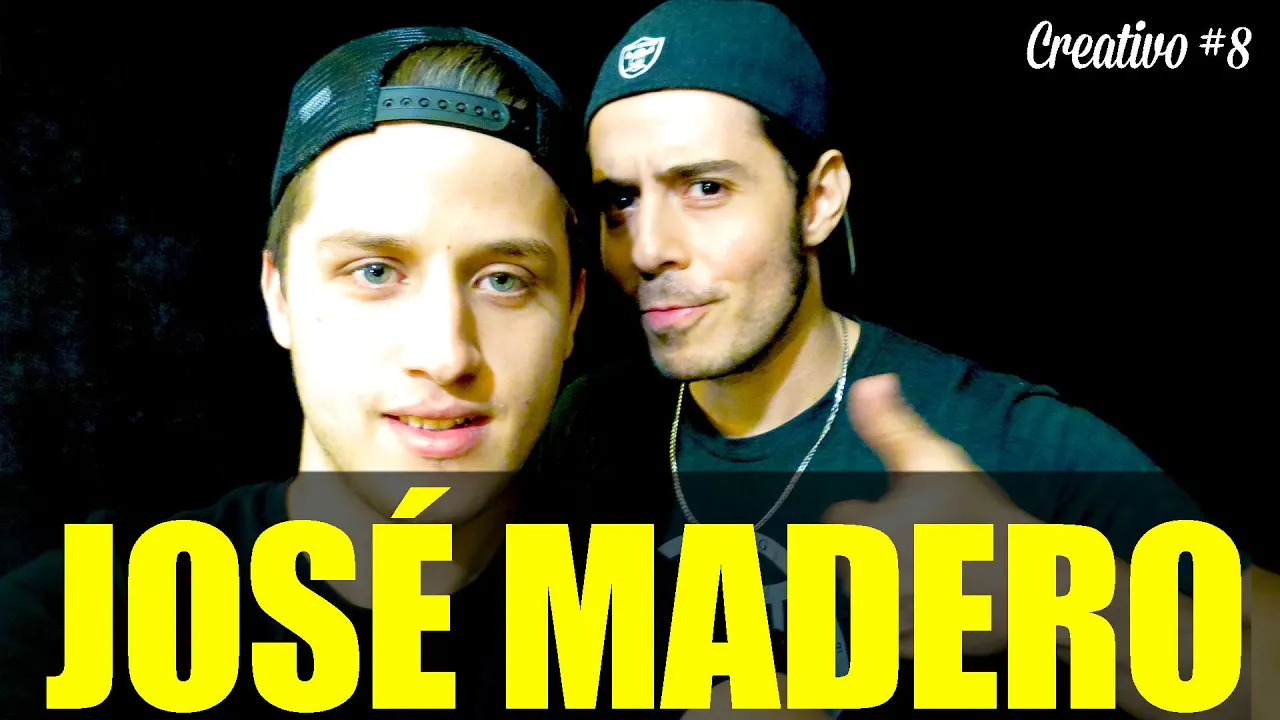
CREATIVO #8 - JOSÉ MADERO
Launching Season Two of Creativos with José Madera
Introduction and Guest Appearance
- The host introduces the episode, noting it is April 18, 2016, and they are excited for the second season of "Creativos" starting at 8 AM.
- The host presents Chapter 8 of "Creativos," expressing hope that viewers will enjoy it.
José Madera's Creative Process
- José Madera discusses his current state as he prepares for the release of his first album, highlighting the challenges of promotion and anticipation.
- He describes the exhausting nature of promotional activities like interviews and autograph signings, emphasizing how tiring this process can be.
Album Release Strategy
- Madera explains a strategic decision to delay releasing a single until after a farewell concert with his band Panda to avoid confusion among fans.
- He reflects on criticism received from fans regarding this decision but clarifies that respect for his former band was paramount in timing the release.
Reception and Artistic Direction
- The artist shares mixed feelings about the reception of his new music; while some fans have embraced it, others have expressed disappointment due to its departure from previous styles.
- He likens changing musical genres to a chef known for Italian cuisine suddenly trying Mexican food, illustrating the challenge of shifting artistic identity.
Personal Reflections on Music Creation
- Madera addresses misconceptions about him being a traitor for pursuing solo work after Panda's breakup; he emphasizes that this project has been in development since around 2008.
Insights on Song Creation and Artist Collaboration
The Role of Names in Music
- A proper name acts as a brand for artists, influencing how songs are perceived. The speaker reflects on the importance of song titles and their connection to artist identity.
- Artists often request specific styles or themes for songs, drawing inspiration from popular tracks like those by Daft Punk or Pink.
Special Requests and Unique Collaborations
- The speaker discusses instances where they create songs based on special requests from well-known artists, highlighting the diversity in musical styles.
- There is an emphasis on the unpredictability of these collaborations; sometimes requested songs do not see the light of day.
Challenges with Record Labels
- The speaker recounts a significant disagreement with record label executives regarding which song should be released as a single, showcasing the tension between artistic vision and commercial interests.
- A notable conflict arose over choosing between original content versus covers, illustrating differing priorities within the music industry.
Evolution of Musical Focus
- Over time, the focus shifted towards creating new music rather than revisiting past hits. This evolution reflects a desire for growth and innovation within their work.
- The discussion touches upon taking breaks between albums, comparing their process to that of major bands like Coldplay who also take extended periods before releasing new material.
Decision-Making Around Breaks and Announcements
- As they planned for a break after their 15th anniversary tour, mixed feelings emerged among band members about how to communicate this decision publicly.
Discussion on Band Break and Future Projects
Reflections on the Decision to Announce a Break
- The speaker expresses gratitude for the announcement of their break, which led to two shows being organized. They reflect on whether they would make the same decision again given past events.
- There is a consideration of how they could have taken a break quietly without public speculation or drama surrounding their return.
- The speaker emphasizes that many fans misunderstood the situation, thinking the band had permanently disbanded due to misleading media reports.
Challenges Faced During the Break
- Managing misinformation was described as a "calvary," highlighting the emotional toll it took during this period.
- The speaker discusses struggles with creativity during the break, mentioning an unfinished book project and feeling unproductive while trying to support their group.
Creative Process and New Music
- As they began composing new songs after 15 years of touring, there was an influx of ideas leading to numerous recording sessions.
- The speaker mentions that some songs were discarded from previous projects but are now being revisited in this new phase of music creation.
Distinction Between Solo Work and Band Identity
- The artist clarifies that their solo work should not be compared directly with their band, Panda, as it represents a different facet of their musical identity.
- They describe how collaboration within Panda involves collective input on song arrangements, contrasting it with more personal control over solo projects.
Songwriting Techniques and Collaborations
- A specific example is given about a song titled "Pasar Desapercibido," illustrating how initial ideas can evolve through collaboration within the band.
- The process includes presenting demos and allowing other members to contribute creatively before finalizing arrangements.
Evolution of Musical Style
- Discussion about using various instruments like ukuleles in songwriting reflects an openness to experimentation in sound.
- The artist shares experiences learning new instruments and adapting them into compositions, showcasing growth in musical versatility.
Production Insights and Musical Process
The Role of Instrumentation in Music Production
- The project’s instrumentation is primarily driven by the artist, who has demo versions of all songs ready for production.
- The artist recorded all guitars and vocals, while friends contributed to drums and bass. Professional musicians were hired for additional instruments like trumpet.
Evolution of Production Techniques
- This marks the first album produced by the artist, who reflects on their learning curve through subsequent projects.
- Early experiences with production involved significant challenges due to a lack of knowledge about recording techniques.
Collaboration and Learning in Music Production
- Collaborating with other producers led to a deeper understanding of music production; the artist began taking more control over creative decisions.
- Despite recent attempts to learn music theory (e.g., reading music), the artist feels it may not be necessary for their creative process.
Songwriting Process: Inspiration and Structure
- The songwriting process often starts with guitar or piano, where melodies are created quickly based on emotional inspiration.
- The structure typically involves experimenting with chord progressions before finalizing melodies and lyrics.
Challenges in Lyric Writing
- While enjoying creating music, writing lyrics can be frustrating; it often takes several hours per song to finalize them.
- The artist discusses overcoming perfectionism in songwriting, emphasizing that they prefer spontaneity over meticulousness.
Unique Vocal Techniques and Mixing Choices
Exploring Musical Identity and Lyrics
The Importance of Lyrics in Music
- The speaker emphasizes the significance of lyrics, noting that many fans are drawn to an artist's work due to their lyrical content. They express admiration for the emotional depth conveyed through the lyrics.
- A personal anecdote is shared about how past experiences influenced the clarity and direction of their songwriting, particularly after a challenging event referred to as "the party with disdain."
- The speaker discusses a rule learned from Stephen King regarding songwriting: avoid rhyming with verbs excessively. They highlight that while some artists may overuse this technique, it can detract from the quality of music.
Industry Insights and Personal Reflections
- There’s a critique of industry standards where some producers prioritize commercial success over meaningful lyrics, leading to a lack of authenticity in music.
- The speaker reflects on leadership within music, mentioning influences like Javier Blake and Alice Cooper, who have shaped their artistic perspective through various stages in their careers.
Transitioning from Band to Solo Artist
- As they embark on a solo career, there’s recognition of the challenges ahead compared to being part of a band. They acknowledge uncertainty about audience reception but remain optimistic about their project.
- The speaker candidly addresses potential backlash or indifference from fans who may not support them as an individual artist outside their previous band context.
Building New Fan Relationships
- Acknowledging that some followers may only be interested because of past affiliations with Panda, they express determination to earn new fans based on current work rather than legacy alone.
- They discuss starting anew in terms of fan engagement and performance venues, indicating plans for smaller shows initially before potentially scaling up based on audience response.
Upcoming Projects and Expectations
- Details are shared about upcoming performances at smaller venues across Mexico and the U.S., highlighting a strategic approach to building momentum gradually rather than jumping into larger arenas prematurely.
- The speaker expresses realistic expectations for their solo album release, acknowledging that immediate commercial success is not guaranteed but emphasizing pride in the quality of the music produced.
Insights on Music Composition and Personal Reflections
Musical Style and Instrumentation
- The artist discusses a song characterized by a minimalist arrangement featuring only piano and vocals, contrasting it with another track that incorporates orchestral elements like strings and flutes.
Song Structure and Release Strategy
- A unique aspect of the song "28" is its delayed entry, starting at 2.5 minutes in; this decision was influenced by the record label's desire for a full band version as the lead single.
Artistic Choices in Music Production
- The artist expresses reluctance to release "28" as a single due to its unconventional structure, emphasizing that music should engage listeners from the start rather than waiting for two and a half minutes.
Creative Process Behind Songwriting
- The artist shares insights into their creative process, noting how they layered multiple vocal tracks over piano before introducing instrumentation after the first chorus.
Significance of Dates in Songwriting
- The title "28" holds personal significance as it references the day when certain events transpired; all songs are written within a day to maintain authenticity.
Book Writing Journey
- The artist reflects on their book-writing experience, which evolved into essays about personal dislikes rather than an autobiographical narrative.
Exploration of Social Etiquette Themes
- One essay discusses societal etiquette rules learned from an old book, critiquing outdated norms while exploring personal anecdotes related to these themes.
Cultural Commentary Through Music
- The artist contemplates future projects post-tour, expressing uncertainty but also excitement about returning to create more music that resonates with their experiences.
Balancing Artistic Freedom with Collaboration
- There’s an emphasis on maintaining artistic integrity while collaborating with others; the goal is not vanity but genuine expression through music.
Future Musical Directions
- Plans for upcoming work include incorporating electronic beats into new songs while ensuring collaboration aligns with creative vision.
Local vs. Universal Themes in Art
- The artist aims to write relatable content that connects local experiences (like those from San Pedro Garza García) with broader human emotions and situations.
Discussion on Rock Music and Cultural Identity
The Beauty of Local Culture
- The speaker reflects on the beauty of their local culture, emphasizing that despite its flaws, there is a positive aspect to living in their city.
- They express a shared sentiment about the love for their hometown, highlighting the duality of experiences—both negative and positive.
The State of Rock Music
- A discussion arises about the current state of rock music, noting its cult-like status and how it has changed over time.
- The speaker mentions that popular bands have shifted from being mainstream to more niche audiences, contrasting past trends with present realities.
Industry Dynamics and Opportunities
- There’s a belief that the industry lacks influential figures who can promote new rock bands effectively in the U.S., which could revitalize interest in rock music.
- The conversation touches on how many similar-sounding bands emerge when there's pressure to conform within the industry.
Personal Connections to Music
- One participant shares their admiration for an artist's versatility and authenticity, appreciating how they engage with various themes in their work.
- They discuss challenges faced by older artists trying to connect with younger audiences while maintaining relevance.
Festivals and Audience Engagement
- A comparison is made between different music festivals (e.g., Machaca vs. Pal Norte), illustrating disparities in audience size and band lineups.
- There's a commentary on how Latin rock can attract large crowds without needing major English-speaking acts, suggesting a strong local following.
Elitism in Rock Music
- The speaker critiques elitism within Mexican rock culture, where certain behaviors or preferences are judged harshly among fans.
- They argue that this elitist attitude stifles growth within the genre instead of fostering inclusivity.
Future Directions for Rock Music
- A call for support from powerful figures in the U.S. music scene is made to help emerging bands gain traction.
- Discussion includes thoughts on whether rock will make a comeback as musical trends evolve over time.
Nostalgia vs. Modern Trends
- Reflecting on past musical influences during adolescence, participants note how tastes have shifted dramatically among younger generations today.
The Future of Music Platforms and Artist Sustainability
Challenges for New Bands in Streaming Era
- The speaker expresses skepticism about platforms like Spotify sustaining new bands, suggesting that while streaming is profitable, it may not be sustainable long-term for artists.
- There is a concern regarding the overwhelming competition on streaming platforms, where established artists overshadow newcomers, making it difficult for new bands to gain visibility.
- The value of music may diminish due to its digital nature; live performances are becoming increasingly important as a revenue source for artists.
Shifts in Music Consumption Trends
- A shift towards releasing singles rather than full albums is noted, with an example of an artist who found limited success with a single before deciding to record an album.
- The importance of narrative and order within albums is emphasized; listeners often miss the storytelling aspect when consuming music through singles.
Quality vs. Quantity in Music Production
- The speaker critiques the trend of producing albums with only a few good songs, reminiscent of practices from the 90s where many tracks were filler content.
- There's a discussion about how attention spans have shortened, affecting how people engage with music and leading to less appreciation for complete works.
Cultural Impact and Industry Evolution
- The conversation touches on how past experiences shape current expectations in music consumption; nostalgia plays a role in how older generations perceive new trends.
- Observations are made about the changing landscape of music venues and social settings influencing what types of music are popular among youth today.
Future Considerations for Artists and Labels
- There’s speculation that if record labels do not adapt quickly to changes brought by streaming services, they risk becoming obsolete as more artists turn indie.
- A call for further discussion on financial sustainability within the industry suggests that independent artists might need alternative support systems moving forward.
Personal Reflections on Artistic Identity
- The speaker shares thoughts on their artistic identity and branding choices influenced by humor and personal experiences related to their name.
Emotional Impact of Live Performances
The Power of "Nuestra Fricción"
- The song "Nuestra Fricción" is highlighted as a powerful live performance piece, evoking strong emotions among the audience.
- Audience reactions include tears during performances, showcasing the deep emotional connection fostered by the band's music.
Musical Style and Composition
- The band blends various musical styles, transitioning from softer melodies to heavy distortion, creating a dynamic concert experience.
- The song's structure resembles a waltz in 3/4 time, adding complexity to its heavy sound.
Concept Behind the Solo Album "Carmesí"
Color Symbolism in Music
- The artist discusses using colors to represent different albums, with "Carmesí" symbolizing red due to personal associations with the color.
- Each album is intended to embody a specific color rather than simply naming it after that color; for example, he avoids calling an album just "blue."
Artistic Intentions
- The artist emphasizes that his work is not driven by vanity but aims to convey deeper meanings through color representation in music.
Reflections on Weezer's Evolution
Nostalgia vs. Current Work
- Discussion about nostalgia surrounding Weezer’s early albums versus their current output; some fans cling to past works while others appreciate new releases.
- Personal experiences with Weezer's discography highlight how perceptions can change over time based on listener engagement.
Fan Expectations and Artist Growth
- There’s acknowledgment of fan disappointment with newer material compared to earlier hits; however, the artist strives for evolution in their music.
Podcasting Journey and Creative Discussions
Initiating Podcast Projects
- Introduction of podcasting as a platform for creative discussions initiated through invitations from friends and collaborators.
Content Diversity and Engagement
- Emphasis on discussing varied topics without restrictions; this approach fosters engaging conversations that resonate with listeners.
Fresh Perspectives on Topics
Discussing Conspiracies Surrounding the Twin Towers
Introduction to the Topic
- The speakers express their intention to discuss conspiracy theories related to the Twin Towers, acknowledging their common yet distinct perspectives on a complex subject.
Podcast Dynamics and Growth
- One speaker reflects on how their podcast began as an experiment, initially intended to be a single episode but evolved into a more extensive project that they continue to develop.
- They mention enjoying the collaborative aspect of working together for two hours each week, highlighting the fun and engaging nature of their discussions.
Challenges in Podcast Promotion
- The speakers discuss the challenges of promoting their podcast without marketing or advertising support, relying primarily on word-of-mouth for growth.
- They note that podcasts are not widely popular in Mexico, which complicates reaching potential listeners who may not be familiar with the medium.
Experiences with Publishing
- One speaker shares his experience trying to publish a book in 2012, detailing difficulties faced when approaching publishers who were uninterested in his project.
- After several rejections, he decided to self-publish in 2014 with assistance from an editor and a bookstore chain, leading to significant sales despite initial doubts about success.
Reflections on Writing and Success
- The author reflects on selling over 20,000 copies of his book as a notable achievement within Mexico's literary market while recognizing it pales compared to sales figures in other countries like the U.S.
Artistic Inspirations and Recommendations
Discussion on Literature and Music
- The speaker discusses the influence of fear in storytelling, particularly for children, referencing a novel titled "Wolf" by an artist who has gained recognition.
- They mention their admiration for the writing style of Jon Daniels, highlighting how certain lyrics resonate with them despite not being overly fond of his music.
- A hypothetical scenario is presented about what might have happened if certain songs had been released earlier, reflecting on the impact of timing in music production.
Personal Recommendations
- The speaker is asked to recommend two forms of art that inspire them; they mention a current album titled "The Word" which resonates deeply with them.
- They describe two paintings in their apartment that reflect a unique artistic style reminiscent of a dark twist on classic themes, specifically mentioning an artist named Fernando VII.
Reflections on Life and Relationships
- The conversation shifts to personal reflections, where the speaker expresses gratitude for connections made through art and music.
- Lyrics are shared that convey themes of acceptance and moving forward from past relationships, emphasizing emotional growth.
- The speaker reassures someone not to worry about returning home, indicating a sense of closure in their relationship.
- They reiterate independence from needing someone else’s presence to feel complete or fulfilled.