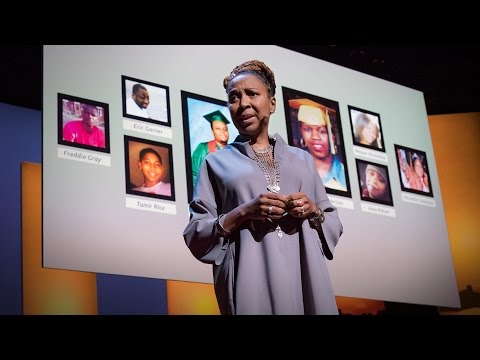
The urgency of intersectionality | Kimberlé Crenshaw | TED
Understanding the Visibility of Black Women in Police Violence
Introduction to the Exercise
- The speaker initiates an interactive exercise asking participants to stand when they recognize names associated with police violence against African Americans. Those who do not recognize a name should sit down.
- Names mentioned include Eric Garner, Mike Brown, Tamir Rice, and Freddie Gray, leading to a significant number of participants remaining standing.
Recognition of Names and Gender Disparity
- The second list includes names like Michelle Cusseaux and Tanisha Anderson, highlighting that many participants still do not recognize these women as victims of police violence.
- The speaker emphasizes that the primary distinction between recognized and unrecognized names is gender, indicating a lack of awareness regarding violence against Black women.
Lack of Awareness Across Various Groups
- The speaker shares experiences from various groups (women's rights organizations, civil rights groups) where knowledge about police violence against Black women remains low. This pattern persists across demographics including educators and politicians.
- There is a noted disconnect in recognizing the intersectionality of race and gender in discussions about police violence. Experts suggest that existing frameworks hinder understanding new facts related to social issues.
Importance of Frameworks for Understanding Injustice
- Without appropriate frameworks to acknowledge how social issues affect all members within a group, many individuals remain invisible in movements advocating for justice. This leads to isolation among those affected by such injustices.
- The concept of "intersectionality" is introduced as essential for addressing overlapping injustices faced by marginalized groups, particularly Black women experiencing both racism and sexism simultaneously.
Case Study: Emma DeGraffenreid
- The speaker recounts the story of Emma DeGraffenreid, an African American woman who faced discrimination based on both race and gender while seeking employment at an auto factory but was denied recognition by the legal system due to her dual identity as a Black woman.
- A judge dismissed her case arguing that since some Black men were hired and some white women were employed in other roles, there was no discrimination; this reflects systemic failures in recognizing compounded discrimination faced by individuals like Emma.
Legal System's Failure to Recognize Intersectional Issues
- The court’s refusal to allow Emma’s claims regarding both racial and gender discrimination illustrates how legal frameworks can perpetuate injustice rather than protect vulnerable populations like Black women from double marginalization.
Understanding Intersectionality and Its Impact
The Challenge of Visibility in Legal Frameworks
- The inability to see a problem often leads to an inability to resolve it; the case faced by Emma illustrates a framework issue where gender and racial discrimination are viewed through a biased lens.
- The speaker reflects on the challenge of finding an alternative narrative that allows judges to understand Emma's dilemma beyond legal confines.
Intersectionality as a Lens for Understanding Discrimination
- An analogy of intersectionality is proposed, where roads represent workforce structures based on ethnicity and gender, highlighting how these intersecting identities affect individuals like Emma.
- Emma's experience at the intersection of race and gender reveals how legal systems fail to address simultaneous discrimination, akin to being treated only for one injury while ignoring another.
The Realities of Violence Against Black Women
- Intersectionality not only shapes experiences but also exposes tragic circumstances surrounding the deaths of Black women, emphasizing unique challenges they face due to multiple forms of oppression.
- Police violence against Black women is highlighted as a severe reality, with statistics showing that even young girls and elderly women have been victims.
A Call for Awareness and Action
- Numerous instances illustrate the brutal realities faced by Black women at the hands of law enforcement, raising questions about societal awareness regarding these tragedies.
- The speaker urges recognition of these stories, questioning why they do not receive equal media attention compared to other narratives.
Collective Responsibility in Addressing Violence
- In 2014, initiatives began demanding acknowledgment of names lost to violence during protests and gatherings as part of addressing state violence against Black bodies.
- Merely saying their names is insufficient; there is a need for deeper engagement with painful realities faced by marginalized communities.
Activating Change Through Collective Memory
- The opportunity exists now to use shared images and voices as tools for activism against violence experienced by women across various identities.
Testimony of Loss
The Importance of Acknowledgment
- AD emphasizes the necessity of naming the victims, highlighting that without recognition, problems cannot be addressed.
- KC states that if a problem is not visible, it cannot be solved, underscoring the importance of awareness in tackling issues.
Transforme qualquer vídeo em um resumo como este
Vídeos do YouTube, reuniões, aulas. Com transcrição, busca e chat.