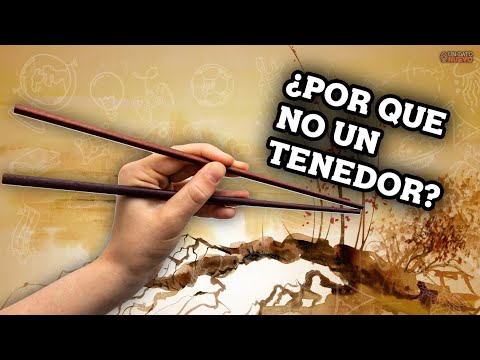
La historia de los palillos chinos
Cultural Reflections in Eating Utensils
The Connection Between Food and Culture
- The way a population eats reflects not only its gastronomy but also its culture, traditions, history, and geography.
- Historians categorize the world into three groups based on eating utensils: those using knives and forks, those using hands, and East Asian cultures that primarily use chopsticks.
The Evolution of Chopsticks
- Chopsticks originated in China over 3,000 years ago during the Shang Dynasty as cooking tools rather than dining utensils.
- Initially longer than modern chopsticks, they were used to manipulate food in large pots or over fire.
Transition from Cooking to Dining
- As food presentation changed with smaller plates, people began using spoons and knives instead of chopsticks for dining until around 1000 AD when forks became popular.
- Confucius influenced the shift from knives at the table to chopsticks due to his philosophy advocating for harmony and morality.
Socioeconomic Influences on Utensil Use
- Economic hardships during the Han Dynasty led to changes in cooking techniques; food was cut into smaller pieces suitable for chopstick use.
- This practical necessity combined with Confucian philosophy solidified chopsticks' place as primary utensils in Chinese culture.
Cultural Variations of Chopsticks Across Asia
- As Chinese culture spread through migration after the 10th century, neighboring countries adapted chopstick usage to fit their culinary practices.
- Japanese chopsticks are shorter and pointed for fish consumption; they often feature decorative designs reflecting aesthetic values.
- Korean chopsticks are typically made of metal and flat; this tradition stems from historical concerns about detecting poison in food.
Modern Challenges with Disposable Chopsticks
- In Southeast Asia, disposable wooden chopsticks have become common but raise ecological concerns due to high production rates—over 80 billion pairs produced annually in China alone.
Cultural Significance and Etiquette of Chopsticks
Environmental Impact of Disposable Chopsticks
- The production of disposable chopsticks primarily uses forest resources, leading to deforestation. Since 2006, an export tax on chopsticks has been implemented to protect forests, starting at 5% and increasing over time.
- Despite the tax, many countries have increased imports instead of reducing consumption, exacerbating deforestation issues.
Rise of Reusable Chopsticks
- Growing ecological awareness has led to a rise in the use of reusable chopsticks, even outside Asia. This shift reflects changing attitudes towards sustainability in dining practices.
Cultural Traditions and Etiquette
- Using chopsticks is steeped in cultural traditions; for example, sticking chopsticks upright in rice is considered bad manners in China as it resembles incense used in funerary rituals.
- In Japan, passing food from one pair of chopsticks to another is also seen as disrespectful due to its association with specific funeral rites involving bone fragments.
Dining Practices and Hygiene
- Pointing with chopsticks during conversation is viewed as rude and disrupts the harmony valued in Confucian philosophy. Similar etiquette applies when using forks or knives.
- Shared plates are common in Chinese and Japanese dining; however, there are strict rules against using personal chopsticks for serving food from communal dishes due to hygiene concerns.
Common Misunderstandings and Recommendations
- Rubbing chopsticks together can imply that the host provided low-quality utensils. This practice is often overlooked but signifies a lack of respect.