La acción humana en los ecosistemas Biologia 3 secundaria
The Butterfly Effect: Understanding Environmental Impact
Introduction to the Butterfly Effect
- The butterfly effect, derived from an ancient Chinese proverb, suggests that small actions can have significant consequences globally.
- This concept emphasizes that every action we take has repercussions, often in unexpected ways.
Human Actions and Ecosystem Impact
- Our daily activities significantly impact the environment, affecting habitats and the biosphere as a whole.
- The community's reliance on vast amounts of energy leads to the extraction of finite natural resources.
Negative Consequences of Human Activity
- While some human actions may yield positive outcomes (e.g., forest cleaning), most are detrimental to various environmental spheres: atmosphere, hydrosphere, soil, and biosphere.
- Major atmospheric impacts stem from pollutant emissions like CO2, nitrogen oxides, sulfur oxides, and hydrocarbons from traffic jams and factories.
Local vs Global Effects of Pollution
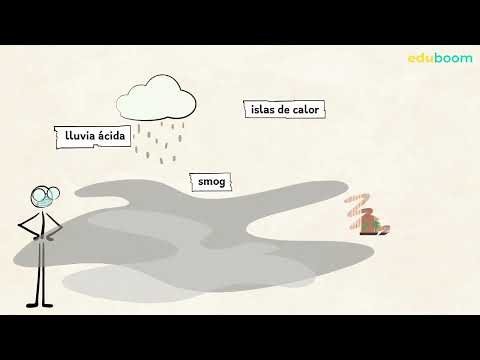
- Local air quality is initially affected by pollution sources but contributes to global issues over time. Examples include acid rain and smog that impair visibility and respiratory health.
- Urban heat islands result from greenhouse effects within cities compared to surrounding areas due to pollution levels.
Water Quality Deterioration
- Contaminants from urban waste and industries degrade water quality by introducing heavy metals and chemicals into aquatic ecosystems essential for survival.
Soil Contamination Issues
- Soil absorbs toxic substances from agriculture and industry leading to biodiversity loss and land degradation; excessive agricultural use depletes nutrients necessary for plant growth.
Desertification Factors
- Deforestation through indiscriminate logging or wildfires increases vulnerability to erosion, contributing significantly to desertification processes.
Invasive Species Threatening Biodiversity
- Introducing non-native species for fishing or hunting disrupt local ecosystems by competing with indigenous species for resources; a notable example is the invasive Argentine parakeet which displaces native birds due to its aggressive nature.
Responsibility for Environmental Degradation
- Human actions such as overhunting or overfishing lead to imbalances in food chains resulting in extinctions; individuals must recognize their role in these ecological crises.
Taking Action: Personal Responsibility
Governmental vs Individual Efforts
- While governmental commitments are crucial for reducing emissions and energy consumption, individual contributions are equally vital for protecting the biosphere.
Small Changes Can Make a Big Difference
- Simple actions like recycling waste or using public transport can collectively lead to significant environmental improvements if adopted widely across communities.
Understanding Natural Processes vs Human-Induced Pollution
Natural Ecosystem Functions
- Natural processes such as soil denitrification or animal decomposition play essential roles in maintaining ecosystem balance without negative impacts on the environment unlike human-induced pollution which releases harmful gases artificially into the atmosphere.( t = 364 s )
Conclusion: Awareness of Our Impact
- Recognizing our responsibility towards Earth is crucial; understanding how human activities contribute negatively allows us to make informed decisions aimed at mitigating environmental damage.( t = 386 s )