¿A quién se le ocurrió inventar la escuela?
Learning Through History
The evolution of education from ancient civilizations to modern times, highlighting the transition from informal knowledge sharing to formal schooling.
Ancient Education Practices
- Education dates back to prehistoric times, emphasizing knowledge sharing among individuals for survival and understanding the world.
- Early civilizations focused education on elites like priests, warriors, and monarchs, with predominantly male students.
- In ancient China, India, Egypt, and Persia, education blended religious teachings with subjects like math and astronomy.
Greek Influence on Education
- Greek culture introduced formal schooling where boys learned music, literature, and physical activities under private tutors.
- Greek schools aimed at leisurely learning through contemplation and discussion rather than structured schedules.
Evolution of Schooling Systems
The progression of educational systems from medieval monasteries to modern compulsory schooling models.
Medieval & Renaissance Education
- During the Middle Ages, church-led education in monasteries taught nobles various subjects while commoners focused on religion.
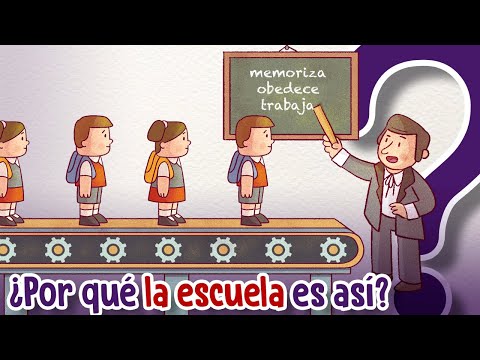
- The 18th-century Prussian model marked the shift towards compulsory free education for all social classes but criticized for its obedience-focused approach.
Spread of Educational Models
- The Prussian system influenced global education standards by reducing illiteracy rates and introducing graded levels for all children.
- Horstmann brought this model to the US in 1852, leading to widespread adoption worldwide.
Modern Pedagogical Approaches
Contemporary educational philosophies emphasizing critical thinking and holistic development over rote learning.
Critique of Traditional Methods
- Criticism of traditional schooling prioritizing obedience over critical thinking skills needed for creativity.
Embracing Progressive Ideals
- Modern pedagogues advocate dialogue, reflection, experimentation for individual growth beyond standardized teaching methods.
Future of Learning Environments
Shifting paradigms towards learner-centered environments fostering curiosity and joy in acquiring knowledge.
Redefining Educational Spaces
- Schools evolving into interactive hubs promoting collaborative learning through playfulness and wonderment.
Role Transformation in Education
New Section
The discussion revolves around the potential transformation of traditional schools into more interconnected and engaging learning environments, emphasizing the importance of students' happiness and willingness to learn in a globalized world.
The Future of Education
- Traditional schools may gradually evolve into a new type of school that is globally connected, focusing on student satisfaction and willingness to learn.