Pin Worms - Enterobius Vermicularis
Understanding Pinworms: Causes, Symptoms, and Diagnosis
Introduction to Pinworms
- The video introduces the topic of pinworms, a common infection particularly in children, caused by the worm Enterobius vermicularis.
- It highlights that tens of thousands of Australians are estimated to carry this worm.
Life Cycle of Pinworms
- The infective form is an egg containing larvae, measuring approximately 50-60 micrometers in length and 25 micrometers in width; it appears seed-like and transparent.
- Female pinworms produce more eggs than males; males are shorter and assist females during mating.
Infection Process
- The video explains how pinworm infections occur primarily through ingestion or inhalation of contaminated food or water containing eggs.
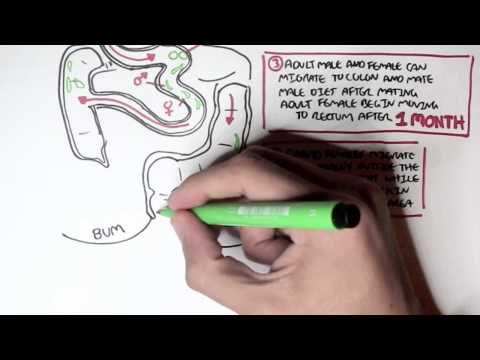
- Once ingested, the larvae hatch in the small intestine and develop into male or female worms.
Migration and Egg Laying
- Adult worms migrate to the colon for mating; after mating, females move to lay eggs around the anus at night (nocturnal migration).
- Eggs can mature within four to six hours after being laid, leading to potential reinfection if they enter back into the body.
Symptoms and Diagnosis
- Common symptoms include itching around the anus due to egg-laying activity. Scratching can lead to contamination.
- Diagnosis can be made by inspecting for worms around the perianal area during sleep or using adhesive tape on skin samples for microscopic examination over three consecutive days.