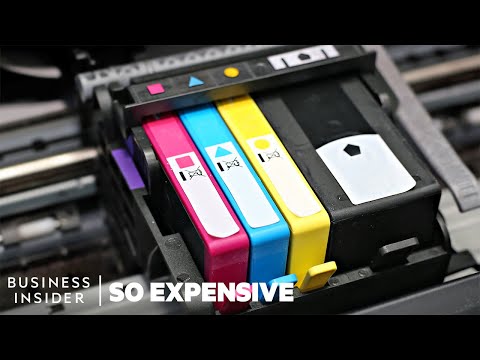
Why Printer Ink Is So Expensive | So Expensive
Why is Printer Ink So Expensive?
The Cost of Printer Ink
- A gallon of printer ink can cost up to $12,000, making it more expensive than vintage champagne and even human blood.
- Early inkjet printers used food dye and water, leading to fading issues; advancements in 1988 introduced permanent photographic quality inks.
The Business Model Behind Printers
- Printer manufacturers often sell printers at a loss, relying on high-priced ink cartridges for profit.
- David Connett highlights the "razor and blades" model: cheaper printers lead to expensive consumables, trapping consumers into buying costly cartridges.
Manufacturer Tactics
- Companies like HP manufacture printers at a loss (e.g., HP Envy 4520 costs $120 to make but sells for $70), necessitating high cartridge sales for profitability.
- Manufacturers install microchips in cartridges and frequently issue firmware updates to block third-party inks that are typically cheaper.
Hidden Costs of Ink Usage
- High costs are attributed to R&D; however, the actual materials used in ink production are inexpensive.
- Maintenance cycles consume over half of the purchased ink according to a 2018 Consumer Reports test; many printers stop functioning when one color runs out.
Changes in Cartridge Size and Pricing
- Cartridges have decreased in size from 20ml to as little as 3ml without price reductions; some companies market smaller cartridges as "extra large."
- New subscription models deactivate cartridges remotely if users exceed their printing limits, further complicating consumer choices.
Potential Solutions for Consumers
- Advocates suggest better-engineered cartridges could benefit both consumers and the environment by reducing costs.