Federal Republic of the Philippines : Ano nga ba ang Federalismo
Overview of the Philippine Federal System
Introduction to the Philippines
- The Philippines consists of over 7,000 islands with diverse cultures and traditions.
- It is divided into 18 regions and includes 81 provinces, along with 145 cities, 1,480 municipalities, and approximately 42,000 barangays.
Centralized Government Structure
- The country operates under a presidential system where the president leads the national government.
- This structure raises questions about the federal system of governance in contrast to centralized authority.
Understanding Federalism
Definition and Principles
- Federalism divides governmental power between a national government and smaller units called states or regions.
- Political actions and decisions are made closer to ordinary citizens, enhancing local governance.
Key Features of Federalism
- Power Sharing: National powers are distributed to state governments for better local governance.
- Resource Sharing: In tax collection, 70% goes to federal states while only 30% remains with the national government.
- Respect for Rights: Emphasizes human rights and equal treatment across various demographics including gender, culture, religion, etc.
- Development Opportunities: States can create systems that address their specific social, economic, political needs while promoting cultural development.
Federal Congress Structure
Bicameral Legislative System
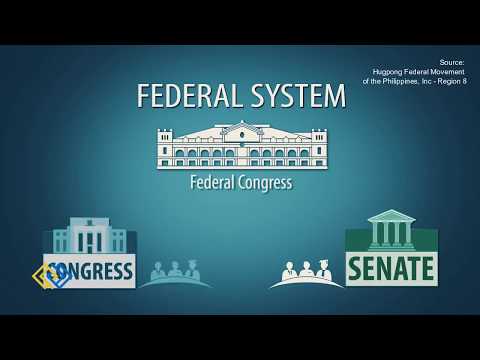
- The federal congress comprises two branches: a Senate elected by state citizens and a House of Representatives elected by district voters. Their primary role is law-making for the federal republic.
Federal Presidential Form of Government
Election Process
- The President and Vice President are elected nationwide; candidates must hold at least a bachelor's degree from recognized institutions in the country. Their term lasts six years alongside their group ticket members.
Branches of Government
- Both Federal and State Governments consist of three branches:
- Executive: Led by Prime Minister or Governor.
- Legislative: Congress or Parliament which may be bicameral or unicameral.
- Judiciary: Includes Supreme Courts at both levels ensuring legal oversight.
Powers of Government
Responsibilities
- The national government focuses on overall welfare including defense policies and international relations while ensuring peace within the nation’s borders.
State Powers
- States manage local governance structures such as schools and community services tailored to regional needs while maintaining autonomy in certain areas like taxation laws (e.g., copyright laws).
Comparative Analysis with Other Countries
Global Examples
- Models like the USA's federal presidential system or France's hybrid model illustrate different approaches to federal governance structures worldwide highlighting variations in executive-legislative relationships based on majority coalitions versus separate powers in presidential systems.(281)
Federalism and Governance in the Philippines
Overview of Federalism's Role
- Federalism aims to improve business operations, implement elections, and ensure security within states. It emphasizes collaboration between federal and state governments.
- The three promises of federalism include better democracy, empowering local communities for democratic accountability, and allowing ordinary citizens to provide feedback on governance.
Key Principles of Good Governance
- Effective governance should be participatory, providing opportunities for all individuals to engage in decision-making processes that reflect the interests of the majority.
- Transparency is crucial; leaders must disclose actions and decisions to relevant stakeholders. This ensures accountability in government operations.
- Inclusivity is essential in public service management, ensuring that all community members are involved without discrimination based on tribe or culture.
Cultural Considerations
- The diversity of tribes and cultures in the Philippines necessitates a federal system that respects various languages, traditions, and practices.
Call for Change
- A rallying cry for transformation within the Philippines emphasizes collective action towards improvement. The speaker expresses love for their country and its people as motivation for change.