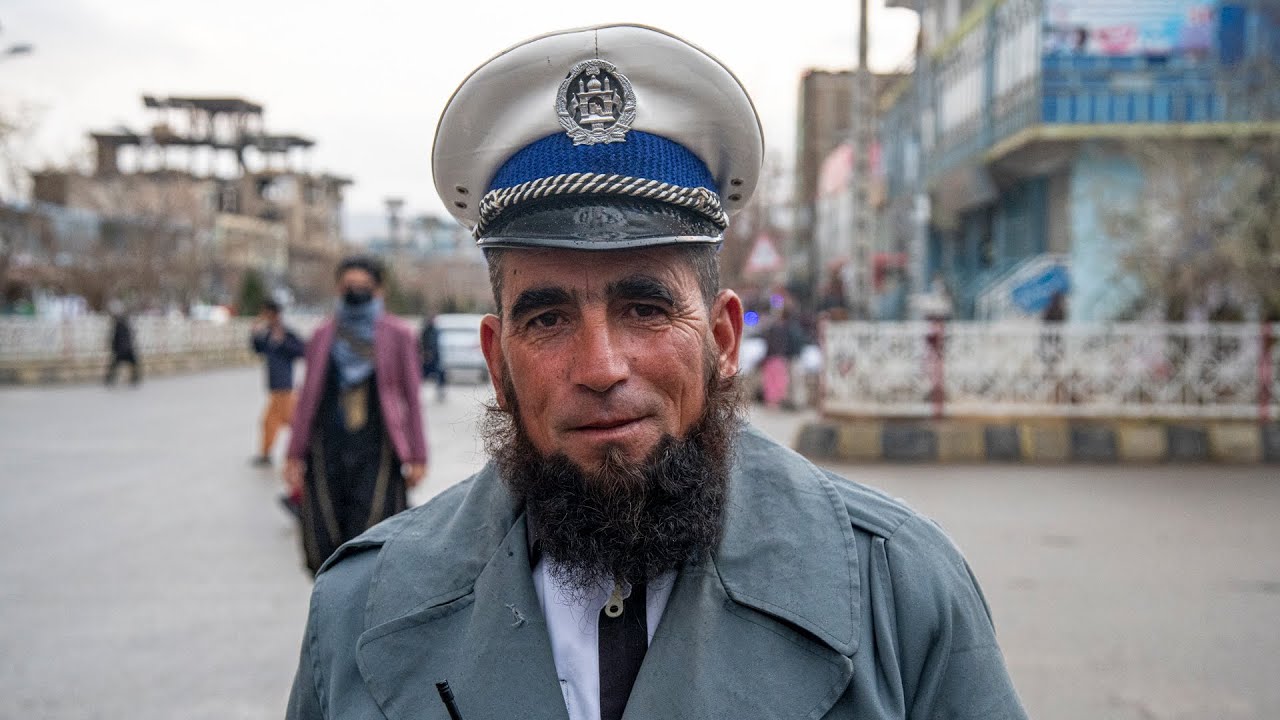
¿El peor país del mundo? Afganistán, la tierra maldita
Imagine in the times of the Buddhists
The speaker discusses the historical context of Afghanistan, highlighting the impact of foreign invasions and the perception of abandonment by certain groups.
Historical Context of Afghanistan
- Afghanistan faced devastation from Genghis Khan, leading to a sense of being abandoned.
- In the 60s, Afghanistan was a tourist destination popular among hippies.
- The discussion transitions to the current situation in Afghanistan under Taliban rule.
Recent History of Afghanistan
Delving into recent history, the speaker explores significant events from the 70s onwards that shaped Afghanistan's trajectory.
Evolution of Afghan Governance
- In the early 70s, a liberal right-wing government brought modernization and freedoms for women.
- Subsequently, a communist regime emerged, leading to persecution and conflict with Muslims.
- The Soviet invasion in 1979 marked a dark period with widespread suffering and corruption.
Soviet Invasion and Mujahideen Era
This segment focuses on the Soviet invasion era and the emergence of Mujahideen fighters in response.
Impact of Soviet Invasion
- Mujahideen fighters, supported by external powers like the US, resisted against Soviet forces.
- The conflict resulted in significant casualties on both sides and introduced figures like Osama Bin Laden into global consciousness.
- Mujahideen's tactics shifted with US-provided stinger missiles neutralizing Soviet air superiority.
Aftermath: Rise of Taliban
Post-Soviet withdrawal, internal conflicts escalated as warlords vied for power, setting the stage for Taliban emergence.
Turmoil and Emergence of Taliban
- Mujahideen infighting led to civil war (1992–1996), intensifying urban warfare within Kabul.
New Section
This section delves into the rise of the Taliban regime in Afghanistan and its impact on historical sites, particularly the destruction of Buddhist statues in Bamiyan.
Rise of Taliban and Destruction of Buddhist Statues
- The Taliban nurtured individuals like Bin Laden, leading to their growth. In 1996, they won a civil war, establishing their regime until 2001.
- During the Taliban rule from 1996 to 2001, they destroyed the monumental Buddhist statues in Bamiyan.
- The Taliban used missiles and bombs to demolish the significant archaeological site in Bamiyan, leaving behind empty spaces devoid of Buddhas.
- Numerous caves once inhabited by Buddhist monks now stand empty in Bamiyan, evoking a sense of loss for these historical places.
- Similar to other historic sites like Palmyra's temple of Bel, the destruction of the masculine Buddha statue reflects a trend of cultural devastation.
Exploring Afghan History
This segment explores Afghanistan's rich history as a crossroads for various civilizations and its significance along the Silk Road.
Afghanistan's Historical Significance
- Afghanistan has been home to diverse civilizations throughout history and played a crucial role as part of the Silk Road for cultural exchange between Europe and Asia.
- Various empires such as Persian, Maurya, Kushan have influenced Afghan culture, religion, and architecture over time.
- Despite its rich history, many historical sites like the Castles of Bamiyan were destroyed during conflicts such as Genghis Khan's invasion.
Challenges Faced in Remote Areas
This part sheds light on challenges faced while traveling through remote regions in Afghanistan due to terrain conditions and cultural restrictions.
Traveling Through Remote Regions
- Crossing vast territories with unpaved roads poses challenges due to rough terrains while traveling towards Chagcharan.
- Listening to music is forbidden in Afghanistan; travelers must adhere to this rule even when passing through Taliban checkpoints.
- Arriving at Chagcharan reveals locals' surprise at encountering foreigners due to limited exposure. Planning accommodation becomes uncertain amidst remote landscapes.
Encountering Cultural Practices
This section highlights interactions with local customs such as purchasing food supplies and adapting cooking methods based on available resources.
Adapting to Local Customs
- Procuring food supplies like vegetables and fresh chicken becomes essential for sustenance outside urban areas where towns are scarce.
The Journey Through Afghanistan
The speaker describes their experience in Afghanistan, highlighting interactions with the Taliban and government officials, as well as reflections on historical events and the impact of foreign presence.
Living Amongst the Taliban
- The group is advised by locals to use flashlights at night to avoid trouble with the Taliban.
- Despite initial concerns, interactions with the Taliban are described as friendly and welcoming.
Historical Context: Taliban Regime
- Reflecting on the brutality of the first Taliban regime from 1996 to 2001 towards women.
- Linking the end of this regime in 2001 to the attack on the Twin Towers by Osama Bin Laden.
Impact of US Presence in Afghanistan
Discusses the consequences of US intervention in Afghanistan over two decades, including phases of conflict, societal changes, and challenges faced by international troops.
Phases of Conflict
- Describes different phases during the 20-year US presence marked by hostility and violence.
- Notes improvements in Afghan life expectancy but highlights persistent issues like severe infant malnutrition.
Societal Changes and Challenges
- Highlights efforts post-2001 to restore rights and liberties, especially for women, through democratic systems and education initiatives.
Mission in Afghanistan
The discussion revolves around the mission of the US in Afghanistan, focusing on creating a stable system by structuring the country from scratch and training police and army troops for maintaining security.
US Mission in Afghanistan
- The primary goal of the US was to establish a stable system in Afghanistan by building infrastructure and training local forces.
- Despite efforts, stability was not achieved upon their departure as the Taliban's power resurged rapidly across various regions.
- The speaker reflects on the 20-year occupation post-invasion, deeming it a mistake due to minimal progress evident upon withdrawal.
Impact of Withdrawal
This segment delves into the repercussions of the US withdrawal from Afghanistan after two decades, highlighting societal setbacks and challenges faced by Afghan citizens.
Aftermath of Withdrawal
- The sudden resurgence of Taliban power post-US exit signifies a significant loss of progress made during the occupation period.
- Current conditions reveal a decline in education with most Afghans being illiterate, coupled with economic struggles like opium cultivation for survival.
Insights from Taliban Interaction
Insights are shared from an interaction with a Taliban representative, shedding light on their perspectives, intentions, and plans for governance in Afghanistan.
Taliban Perspectives
- A conversation with a Taliban leader reveals insights into their origins from specific regions like Helmand and Kandahar.
- The Taliban express willingness to improve international relations based on human understanding beyond religious differences while emphasizing obedience to their supreme leader's directives.
Taliban's Vision for Afghanistan
Details emerge regarding the Taliban's vision for Afghanistan encompassing development initiatives, defense strategies against foreign threats, and educational reforms.
Future Plans
- The Taliban aim to enhance infrastructure such as roads for better quality of life while welcoming tourists but remaining vigilant against potential attacks.