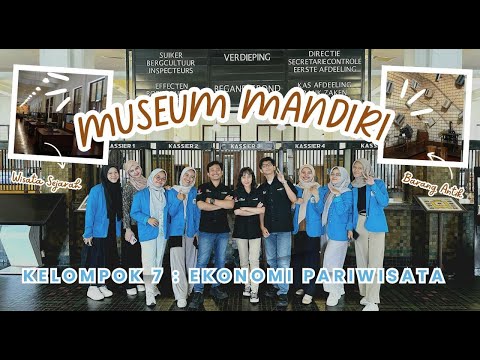
Kelompok 7 Ekonomi Pariwisata - Museum Mandiri
Welcome to Oman and Museum Bang Mandiri
Introduction to the Museum
- The speaker welcomes attendees to Oman, introducing the context of their visit and the significance of the location.
- The museum is initially described as a place that awakens interest in Indonesian culture through its historical artifacts.
Historical Background
- The museum was established by two Dutch individuals, Ledebri Pesit and Zivandirin, in 1999, marking its importance in Indonesia's cultural landscape.
- It transitioned into an Indonesian-owned entity post-independence, serving various purposes before becoming a museum dedicated to preserving history.
Collections and Exhibits
- Visitors can explore various collections including tools used for traditional crafts and financial instruments that reflect Indonesia's economic history.
Museum Management and Visitor Experience
Infrastructure Maintenance
- A key question addresses how the museum maintains its infrastructure while preserving cultural integrity. The response emphasizes safeguarding both physical structures and cultural heritage.
Programs for Visitors
- The museum offers tailored programs for different visitor groups such as students and international tourists, enhancing educational outreach.
Accessibility Initiatives
Facilities for Special Needs
- Accessibility features include lifts designed for visitors with disabilities, ensuring inclusivity within the museum experience.
Health and Safety Measures
Cleanliness Protocols
- Regular cleaning routines are implemented daily to maintain hygiene standards within the museum premises.
Compliance with Regulations
- There are strict adherence protocols regarding visitor behavior; measures include agreements (MOU) with local authorities to ensure compliance with safety regulations.
Collaboration and Community Engagement in Museum Mandiri
Strengthening Community Empowerment
- The discussion emphasizes the importance of collaboration with local communities, businesses, and educational institutions to enhance community empowerment and support sustainability efforts.
Events and Activities
- Various events are organized at the museum, such as bazaars during significant occasions like Jakarta's anniversary, where local entrepreneurs can showcase their products for free. This initiative encourages community participation.
Educational Collaborations
- The museum collaborates with educational institutions to host art-related events, allowing students to express their creativity through painting and other artistic activities. This fosters a creative environment for learning.
Accessibility for Event Hosting
- Anyone interested can organize events at the museum by submitting requests at least one month in advance. This policy aims to facilitate diverse community engagement while managing logistical challenges effectively.
Enhancing Visitor Experience
- The museum offers various facilities, including cafes and photography services, which enhance visitor experiences beyond traditional exhibitions. Regular events like painting sessions attract more visitors and create a vibrant atmosphere.
Social Media Impact on Attendance
- Utilizing social media platforms has significantly increased visitor turnout by promoting ongoing events at the museum, making it easier for people to stay informed about activities they might be interested in attending.
Importance of Historical Awareness
- The conversation concludes with an emphasis on the role of Museum Mandiri in enhancing historical awareness among both young and older generations while also improving financial literacy within the community. This dual focus is crucial for cultural education and economic understanding.