28126-Chapter 1-हिंदी मे - Learn simultaneously Factory Act 1948 & Maharashtra Factory Rule 1963
Introduction to the Discussion on Factory Act and Maharashtra Pack Rules
Overview of Topics Covered
- The discussion begins with an introduction to the Factory Act and its sections, along with the Maharashtra Pack Rules 1963. The speaker emphasizes the importance of understanding these regulations for effective learning and preparation for tests or interviews.
- A simple technique is suggested for memorizing important functions related to both the Factory Act and Maharashtra Pack Rules, highlighting their relevance in practical scenarios. This includes examples that illustrate how different sections apply to similar items.
Understanding Sections and Rules
- The speaker clarifies that references made to "sections" pertain to the Factory Act, while "rules" refer specifically to the Maharashtra Factory Rules 1962. This distinction is crucial for accurate comprehension of legal texts.
- An example regarding lighting requirements in factories is provided, indicating that compliance with section 1617 mandates sufficient natural or artificial lighting in workspaces. This reflects a broader intention behind safety regulations within factory environments.
Detailed Examination of Lighting Requirements
Specific Regulations on Lighting
- Rule number 5 from Maharashtra Factory Rules outlines specific standards for lighting, emphasizing that adequate illumination is essential for safe working conditions across various areas such as warehouses and boiler rooms.
- The discussion highlights flexibility in applying standards when specific information is lacking in either sections or rules, allowing businesses some leeway under emergency situations or unique circumstances. This adaptability can be critical during inspections or audits.
Importance of Compliance with Safety Standards
Minimum Lighting Requirements
- The minimum lighting requirement discussed indicates that certain areas must maintain at least 50 lux levels, ensuring visibility without compromising safety due to excessive brightness or insufficient light conditions. Proper balance is emphasized here as vital for operational efficiency and worker safety.
Discrimination in Lighting Levels
- Different activities require varying levels of illumination; thus, detailed guidelines are provided based on specific tasks performed within factory settings—highlighting how tailored approaches enhance workplace safety protocols effectively across diverse operations.
Examples Related to Machinery Safety
Guidelines on Lifting Machines
- Reference is made to section 28 concerning lifting machines under the Factory Act alongside rule number 6 from Maharashtra rules which stipulate testing protocols before machinery can be deemed safe for use—emphasizing rigorous adherence to safety measures during operation processes like mechanical testing and material handling assessments.
Certification Post Modifications
- After any modifications or repairs on lifting machines, obtaining a certification (referred to as "green certification") becomes mandatory before resuming operations—ensuring all changes comply with established safety standards post-evaluation by qualified personnel who conduct necessary tests accordingly.
Pressure Vessels: Safety Protocol Discussions
Understanding Pressure Plant Regulations
- Section 31A discusses pressure vessels used within industries; it defines normal operating pressures while stressing regular checks using pressure gauges—a critical component ensuring equipment operates safely without exceeding designated limits which could lead potentially hazardous situations if neglected.
Regular Maintenance Checks
- Emphasis is placed on conducting examinations every six months as part of routine maintenance schedules; this includes internal assessments where applicable—reinforcing proactive measures against potential failures through systematic evaluations aligned with regulatory expectations.
Fire Protection Measures
Guidelines Under Section 38
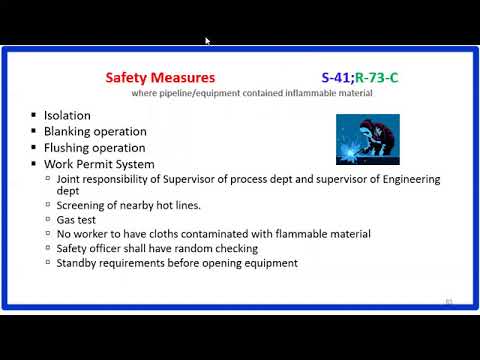
- Fire protection strategies are outlined under section 38 alongside relevant rules detailing necessary precautions including installation of fire-fighting equipment and maintaining clear exit routes marked adequately throughout facilities—critical elements aimed at minimizing risks associated with fire hazards.
Emergency Preparedness
- Recommendations include establishing spontaneous ignition prevention methods while ensuring proper storage practices are followed especially concerning flammable materials—a comprehensive approach towards safeguarding workers' health amidst operational challenges posed by industrial environments.
This structured markdown file captures key insights from the transcript while providing timestamps linked directly back to relevant parts of the video content for easy reference and study efficiency.