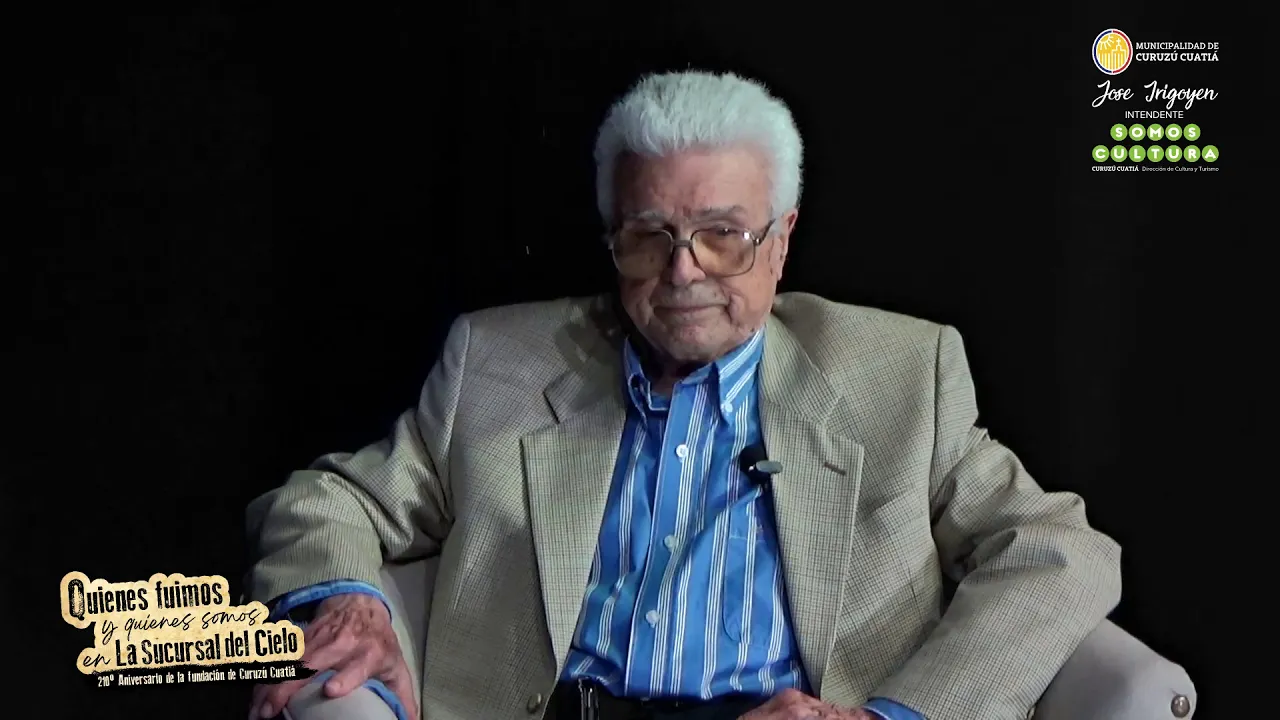
Dr.Roberto Jauregui y Jorge Guglielmone
History of Curuzú Cuatiá's Medical Community
Introduction to the Discussion
- The program "Quienes fuimos y quiénes somos" commemorates the anniversary of Curuzú Cuatiá, highlighting its historical significance and community experiences.
- The city is recognized as a major medical hub, attributed to the efforts of pioneering individuals who invested in local healthcare.
Early Beginnings of Sanatorio Curuzú
- Dr. Roberto Jáuregui reflects on the origins of Sanatorio Curuzú, which began around 1952 while he was studying medicine in Rosario.
- Initially established in a vacant house owned by the Erró family, located near Plaza Alvear, it served as a base for early medical practitioners.
Key Medical Personnel and Contributions
- Notable figures included Dr. Oregón (surgeon), Dr. Irastorza (surgeon), and Dr. Juan Ayala Calvo (clinician), who brought essential equipment to enhance medical services.
- A group of military doctors joined shortly after, including specialists like Federico Anastasi (traumatologist) and others who contributed significantly to patient care.
Anecdotes from Inauguration Day
- An interesting anecdote shared by Dr. Jáuregui describes how an emergency appendectomy occurred during the inauguration celebration of the sanatorium.
- This event highlighted both the excitement surrounding the new facility and its immediate impact on community health needs.
Development and Expansion of Services
- By 1958, with collective effort, they purchased a larger building that became Sanatorio Curuzú’s permanent location.
- The sanatorium offered surgical services led by Dr. Jáuregui, maternity care under Dr. K Ceremonia, and clinical internment for various diseases.
Legacy and Impact on Local Healthcare
- Reflecting on history reveals numerous pioneers whose contributions laid foundations for modern healthcare in Curuzú Cuatiá.
The Evolution of Medical Services in Curuzú Cuatiá
Development of Automatic Telephone Systems
- The introduction of automatic telephone systems was significantly influenced by Dr. René Borderes, who organized activities that led to their implementation, moving away from operator-assisted calls.
- A group effort resulted in obtaining permissions and establishing an automatic telephone exchange, which was a notable advancement for the community.
Healthcare Initiatives for Rural Communities
- The sanatorium aimed to provide healthcare services with established priorities, particularly focusing on rural areas where workers needed immediate medical attention due to work-related accidents or common illnesses.
- A health insurance system was implemented for field workers, ensuring they received necessary care without direct hospital visits, enhancing accessibility to medical services.
Personal Reflections on Medical Practice
- Dr. Borderes reflects on his extensive career in medicine since 1957, highlighting the challenges and rewards he experienced over 63 years before retiring recently.
- He emphasizes the importance of patient relationships in smaller communities, noting that familiarity enhances satisfaction and care quality.
Challenges and Rewards in Medicine
- The doctor acknowledges the emotional toll of not always achieving desired outcomes with patients but stresses that there is always something positive one can do.
- He discusses how personal connections with patients are vital in small towns, making each case more meaningful than just a clinical interaction.
Nursing Education Evolution
- The establishment of nursing education began at a military hospital with Red Cross involvement; this laid the groundwork for professional nursing standards.
- Over time, nursing qualifications evolved into university-level programs, reflecting advancements in healthcare education and practice.
Importance of Historical Documentation
- The interview aims to document significant historical events and contributions made by individuals like Dr. Borderes to ensure their legacies are remembered within the community.
History and Development of the Sanatorio
Early Years and Structure
- The speaker recalls the establishment of the sanatorio around 1967-68, highlighting its initial success with doctors like Anastasi, Jáuregui Morales, and Ridolfi.
- During this period, it was common for doctors to have their consulting rooms at home while attending to patients at the sanatorio for surgeries or hospital care.
Changes in Medical Practice
- The speaker mentions that various hospitals were operational during this time, including military and civil hospitals, which catered to a large number of patients.
- Initially, there were about ten rooms available in the sanatorio; however, some services became economically unfeasible over time.
Technological Advancements
- There was a continuous desire to improve medical practices as technology evolved. The introduction of ultrasound technology marked a significant advancement in patient care.
- The first ultrasound equipment was German-made, allowing doctors to visualize fetal development and heart activity.
New Generations of Doctors
- A new group of motivated young doctors joined the sanatorio, bringing fresh energy and ideas for improvement. Notable names included Dr. Ordenavía Jorge and Luis Rico.
- An architect named Gadea was commissioned to design a new wing for patient admission due to increased demand.
Expansion and Modernization Efforts
- By the late 1990s, significant changes occurred in both inpatient facilities and surgical areas due to technological advancements that required modernized infrastructure.
- Plans were made for constructing a new operating room from scratch rather than modifying existing ones due to space limitations.
Advanced Medical Facilities
- As space became limited on-site, architects were consulted again for further expansions including gamma camera facilities and advanced therapy units.
- New technologies such as hemodynamics equipment were introduced alongside digital mammography systems.
Recognition and Teamwork
- Curuzú is recognized within Entre Ríos province for its medical services; teamwork among physicians has been crucial in achieving these advancements since around 2007 when younger leaders took charge.
What Does It Feel Like to Be a Doctor in Your Town?
Reflections on Returning to Medicine
- The speaker discusses the emotional significance of returning to their hometown as a doctor, highlighting the deep connection and satisfaction derived from serving the community.
Evolution of Medical Practice
- There is an acknowledgment of how medicine has evolved over time, with a comparison between past practices and current advancements. The importance of adapting to these changes is emphasized.
- The speaker notes that while technology in medicine has advanced significantly, it requires continuous learning and adaptation from doctors to remain effective.
Importance of Continuous Learning
- Doctors must stay updated with technological advancements; this involves constant reading and curiosity about new developments in medical science.
- Despite technological changes, the core concern for patient well-being remains unchanged over decades. The commitment to understanding and addressing patient issues persists.
Personal Anecdotes from Medical Experience
- A personal story is shared about a patient who had recently suffered a heart attack, illustrating the human side of medical practice and the relationships formed with patients.
- An anecdote highlights challenges faced by patients before modern technology, such as managing health information without computers, showcasing how far healthcare has come.
Challenges in Modern Medicine
- The necessity for doctors to maintain emotional detachment while still being empathetic towards patients is discussed. This balance is crucial for effective reasoning during treatment.
- Maintaining pace with medical advancements is identified as a priority for healthcare facilities. Enthusiasm among staff is essential for progress amidst economic challenges related to expensive technologies.
Community Connection and Identity
- Emphasis on not losing touch with community roots despite technological advancements; maintaining personal connections with patients is vital for holistic care.