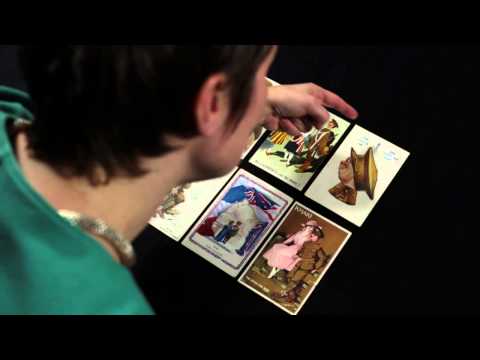
World War One Propaganda
Propaganda Techniques in World War I
The Dual Nature of Enemy Depiction
- Propagandists face a tension in portraying the enemy; they must balance between showcasing the enemy's power and avoiding excessive demonization that could instill fear in their own troops.
Contrasting Imagery in Postcards
- Postcards illustrate contrasting depictions: German soldiers are shown as cruel (e.g., slaughtering Red Cross dogs), while Allied soldiers are depicted caring for animals, emphasizing a moral superiority.
Imperialism and Hypocrisy
- German propaganda criticized British imperialism, arguing that while Britain condemned Germany's actions, it was simultaneously oppressing its colonies (e.g., Ireland, India).
Gendered National Symbols
- Gender played a significant role in propaganda; national symbols were often gendered (e.g., Marianne for France), representing women as embodiments of nations and ideals.
Women as Symbols of Hope and Duty
- Various postcards depicted women as symbols to fight for, embodying hope and love. Soldiers were motivated by the idea that serving would win them affection from these idealized figures.
The Role of Women in Propaganda
Tensions in Women's Representation
- Propaganda portrayed women both as vulnerable needing protection and as active participants (e.g., munitions workers), highlighting their dual roles in war efforts.
Munitions Workers' Paradox
- Women working in munitions factories produced weapons for destruction while also being seen as mothers responsible for nurturing future generations, creating a profound tension.
Impact of Cinema on Public Perception
Engaging Audiences through Film
- Films during WWI were interactive experiences where audiences actively participated rather than passively consumed content, enhancing their emotional engagement with the war narrative.
"The Battle of the Somme" Film Significance
- This 1916 film was pivotal for British propaganda, providing a humanizing portrayal of soldiers' struggles at the front lines, which resonated deeply with viewers despite some controversy over its spectacle.
Recruitment Strategies Through Propaganda
Personal Appeals to Enlistment
- Recruitment propaganda focused on personal motivations such as protecting family and community. It emphasized moral duty to defend against atrocities occurring abroad.
The Impact of Propaganda in World War I
The Gaze of the Viewer and Personal Language
- The use of personal language in propaganda, such as "follow me" and "your country needs you," effectively engages viewers by making them feel directly addressed. This approach contrasts with abstract language that may lead individuals to think the message is not meant for them.
Enlistment Encouragement
- Posters suggesting there is still time to enlist create a sense of urgency and inclusion. Phrases like "there's still a place in the line for you" aim to position the viewer within a collective narrative, emphasizing social responsibility and potential ostracism for non-participation.
Effectiveness of Propaganda
- The impact of propaganda is complex; it often reinforces existing beliefs rather than changing opinions. In this context, British propaganda during WWI successfully intensified pre-existing views among Germans regarding power dynamics in Europe, illustrating how propaganda can crystallize societal attitudes.