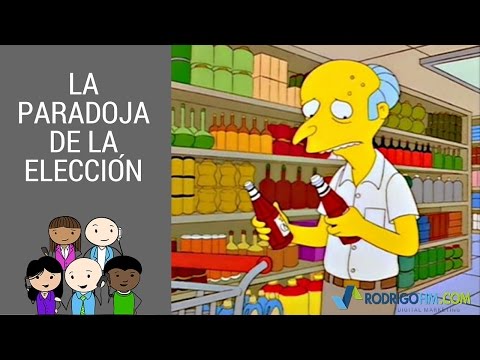
La Paradoja de la Elección // Psicologia del Consumidor
Understanding the Paradox of Choice
Introduction to the Concept
- The speaker introduces the idea that having more options can lead to greater dissatisfaction with choices made, contrary to common belief that more options equate to increased happiness.
- An example is given about shopping for a familiar dressing; despite numerous alternatives, one desires the freedom of choice.
Barry Schwartz's Insights
- Reference is made to Barry Schwartz's book "The Paradox of Choice" (2004), where he reflects on his youth when limited options led to less anxiety in decision-making.
- The speaker describes how modern shopping experiences overwhelm individuals with choices, leading to dissatisfaction even after making a selection.
Key Ideas Behind the Paradox
1. Paralysis by Analysis
- The first concept discussed is "paralysis," where too many choices can lead individuals to feel overwhelmed and unable to make any decision at all.
2. Opportunity Cost
- The second idea is "opportunity cost," which refers to regret over not choosing an alternative option once a decision has been made, causing dissatisfaction with current choices.
3. Rising Expectations
- The third point addresses how expectations increase as options multiply; people seek perfection and may feel disappointed if their choice doesn't meet these heightened standards.
4. Self-Blame
- Lastly, self-blame arises when individuals reflect on their decisions among numerous possibilities, often leading them to question their judgment and feel guilty about their choices.
User Types in Decision-Making
- Two types of consumers are identified: maximizers and satisfiers. Maximizers exhaustively search for information before making a choice but often end up feeling regretful or dissatisfied.