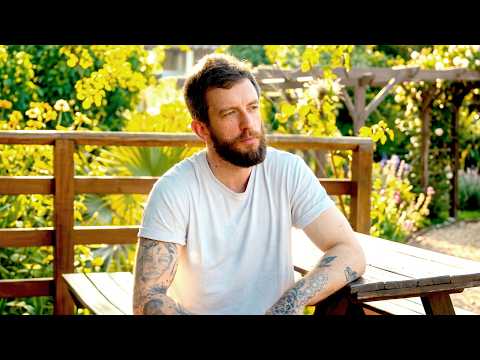
Tudo que eu sei aos 32 anos e que gostaria de ter sabido aos 20
Five Life Lessons I Wish I Knew at 20
Introduction to the Lessons
- The speaker reflects on their journey from age 20 to 32, emphasizing that there are no shortcuts to success. They aim to share five valuable lessons learned through years of study and entrepreneurship.
Lesson 1: Responsibilities Over Rights
- At 20, the speaker felt entitled to what the world owed them but later realized they had more responsibilities than rights. This shift in mindset opened up new opportunities in both personal and professional life.
- The importance of taking initiative is highlighted; arriving early and working hard led to recognition and opportunities during their academic career.
- Understanding that value creation leads to rewards is crucial, even if it seems like some people gain without contributing significantly.
Lesson 2: Mastering Public Speaking
- Effective communication is a vital skill that can solve many problems; public speaking falls within the critical 20% of skills that yield significant results (Pareto Principle).
- Developing clarity in expression requires extensive reading and synthesizing complex ideas into simple language for better understanding by audiences.
- Emotional control while speaking publicly is essential for maintaining composure and delivering messages effectively, making this skill one of the most important for future success.
Lesson 3: Surround Yourself with Positive People
- Building relationships with positive individuals can drastically improve one's quality of life; distancing from negative influences may create initial discomfort but ultimately leads to growth.
- Quality relationships are strongly correlated with happiness in later life, emphasizing the need for meaningful connections rather than numerous superficial ones.
Lesson 4: Managing Chronic Stress
- Chronic stress poses serious health risks, affecting both physical well-being (e.g., metabolic syndrome) and mental health (e.g., depression). It's crucial to differentiate between temporary stressors and ongoing anxiety levels.
- Recognizing signs of chronic stress—such as persistent anxiety or inability to find peace—is vital for addressing underlying issues before they escalate into more severe problems.
Lesson 5: The Importance of Education
- Acknowledging systemic educational shortcomings in their country, the speaker stresses the necessity of self-directed learning through reading and studying beyond formal education systems.
- Many individuals lack basic comprehension skills despite being literate; thus, striving for deeper understanding is essential for personal development and societal contribution.
Conclusion: Reflections on Personal Growth
- The speaker shares their background—growing up in a small town with limited resources—and how these experiences shaped their perspective on education and responsibility at a young age. They encourage viewers not to fall into complacency regarding their own learning journeys as they navigate adulthood.