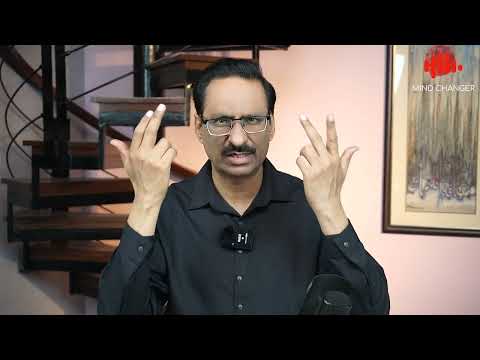
Personality Development day 2
Importance of Communication in Personality Development
Key Insights on Communication
- The speaker emphasizes that communication is the most crucial aspect of personality development, highlighting its significance in personal and professional interactions.
- A comparison is made between animals and humans, noting that animals communicate primarily through sounds and body language, lacking the verbal complexity humans possess.
- Animals express emotions like love, fear, and interest through their eyes and sounds; however, they have limited means of communication compared to humans.
- Humans are endowed with the ability to communicate using a vast vocabulary, which allows them to convey feelings effectively.
- While it's stated that 180 words can suffice for basic communication, variety in vocabulary enhances expression and understanding.
Non-Verbal Communication
- Only 7% of communication is verbal (words), while 93% is non-verbal (body language, gestures), indicating the importance of non-verbal cues in conveying messages.
- Positive individuals influence others positively; their energy affects those around them even before any verbal interaction occurs.
- The mindset one holds about another person can significantly impact the interaction's outcome; positive thoughts lead to positive vibes during meetings.
- Thoughts stored in one's mind can be transmitted non-verbally to others through an aura or energy field surrounding a person.
Understanding Aura and Its Impact
- The concept of aura includes nine shades of light emitted by humans, which play a role in emotional communication beyond what cameras can capture.
- If someone harbors negative thoughts about another person, it creates discomfort during interactions despite outward appearances being pleasant.
Sensitivity to Others' Feelings
- Individuals often sense others' intentions intuitively; this sensitivity allows for quick assessments during social interactions based on unspoken cues.
- Human beings possess both transmitters (to send feelings) and receivers (to perceive feelings), making non-verbal communication highly effective at 93%.
Elements of Effective Communication
- Four key elements are essential for developing personality through effective communication: handshake etiquette plays a significant role in first impressions.
Handshake Techniques
- A proper handshake involves warmth; it should not feel like a squeeze but rather convey friendliness and openness when meeting someone new.
- Regardless of cultural context—whether in Africa or America—handshakes serve as universal greetings that establish rapport between individuals.
Enhancing Personal Connection
- Maintaining eye contact during handshakes reinforces sincerity; looking away may suggest dishonesty or lack of confidence.
By following these guidelines on effective communication techniques such as handshaking and maintaining positive thoughts about others, individuals can enhance their interpersonal skills significantly.
The Importance of Listening in Communication
Key Insights on Effective Communication
- Every individual desires to share their thoughts; it's essential to remember this when engaging with others.
- People often do not listen effectively, which can hinder communication.
- The more you listen, the better your communication skills will become; excessive talking can lead to poor interactions.
- Many people dislike those who dominate conversations, as they prefer a balanced exchange where both parties are heard.
- Humans have two ears and one mouth for a reason: listening should be prioritized over speaking.
Listening Ratio and Interaction Dynamics
- A recommended listening-to-speaking ratio is 3:1; for every 100 minutes of listening, only 33 minutes should be spent speaking.
- Avoid reacting before the other person has finished speaking to ensure effective communication.
- It’s common to interrupt or think ahead while someone else is talking, but this disrupts the flow of conversation.
- Wait until the speaker has completed their thoughts before responding or asking questions for clarity.
- Interrupting can prevent others from fully expressing themselves and may lead to misunderstandings.
Positive Gestures and Body Language
- Positive gestures enhance communication; body language plays a crucial role in how messages are received.
- Negative body language (e.g., looking away or slouching) signals disinterest in what is being said.
- Maintaining eye contact shows engagement and interest in the conversation, fostering better connections with others.
- Affirmative gestures like nodding encourage speakers and create a positive atmosphere during discussions.
- Sitting up straight conveys alertness and respect towards the speaker, improving overall interaction quality.
Managing Relationships Through Communication
- Agreeing with opposing views can help reduce tension; understanding different perspectives fosters better relationships.
- Preconceived notions about others can escalate conflicts; approaching conversations without bias is vital for resolution.
Building Conversational Skills
- Having at least forty insightful quotes or anecdotes ready enhances conversational depth and engagement.
- These quotes should be relevant and appropriate for various contexts to enrich discussions effectively.
Humor and Contextual Awareness
- Timing is crucial when using humor; inappropriate jokes can derail serious conversations.
- Recognizing the right moment for light-heartedness ensures that humor adds value rather than detracts from dialogue.
The Impact of Mobile Usage on Communication
Reflection on Modern Communication
- The speaker expresses regret over the negative impact of mobile phone usage, feeling it has led to a deterioration in communication skills and personal connections.
- Emphasizes the importance of being prepared with relevant anecdotes or topics related to the context when meeting others, enhancing communication effectiveness.
- Suggests that having engaging stories or anecdotes can significantly improve interactions, fostering deeper connections with others.
Importance of Personal Development
- Highlights four essential elements for effective communication that should be integrated into daily life for personal development.
- Points out that lack of interesting conversation topics often leads to boredom in social settings, causing individuals to retreat into their phones instead.
Wisdom and Cultural Insights
- Discusses the value of wisdom found in literature and proverbs, using a Punjabi saying about elders as an example to illustrate their protective role within families.
- Explains how elders maintain safety and security within families by acting as guardians, akin to locks on doors.
Upcoming Sessions on Body Language
- Mentions that the next session will focus on body language, which is crucial since 93% of communication is non-verbal.
- Reinforces the idea that body language conveys significant information about one's stance and feelings during interactions.
Turn any video into a summary like this
YouTube links, meetings, lectures. With transcripts, search, and chat.