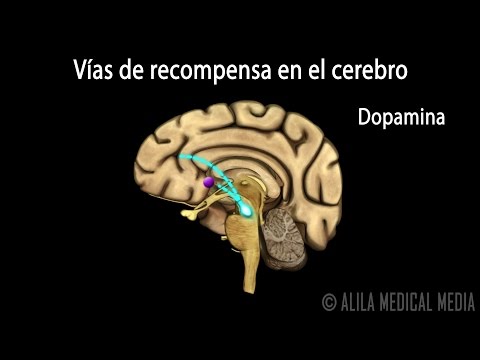
Mecanismo de la Adicción a las Drogas en el Cerebro, Animación. Alila Medical Media Español.
Understanding Addiction: A Neurological Perspective
The Nature of Addiction
Addiction is described as a neurological disorder that impacts the brain's reward system, which is crucial for survival behaviors like eating and social interaction.
In healthy individuals, the reward system reinforces essential activities by making them pleasurable and memorable, encouraging repetition when needs arise.
Mechanism of Reward System
The brain consists of billions of neurons communicating via neurotransmitters. When stimulated sufficiently, an electrical impulse (action potential) travels down the neuron to release neurotransmitters into the synaptic cleft.
Dopamine plays a key role in the reward pathways, particularly from the ventral tegmental area (VTA) to the limbic system and frontal cortex. Engaging in pleasurable activities triggers dopamine release.
Impact of Drugs on Dopamine Levels
Most drugs of abuse increase dopamine levels in these reward pathways. Substances like alcohol and nicotine indirectly excite dopamine-producing neurons, leading to more action potentials.
Cocaine blocks dopamine reuptake at nerve terminals while methamphetamine can enter neurons and trigger dopamine release even without action potentials.
Consequences of Drug Use
Different drugs have varying mechanisms but generally lead to excessive accumulation of dopamine in synapses, causing overstimulation of receptor neurons.