Problemas Ambientales - Amenaza o Peligro Ambiental
Understanding Environmental Threats
Definition of Environmental Threats
- Environmental threats refer to the likelihood of physical phenomena that pose dangers to society, potentially causing direct harm to individuals' health or life, and negatively impacting economic activities and infrastructure.
Types of Natural Threats
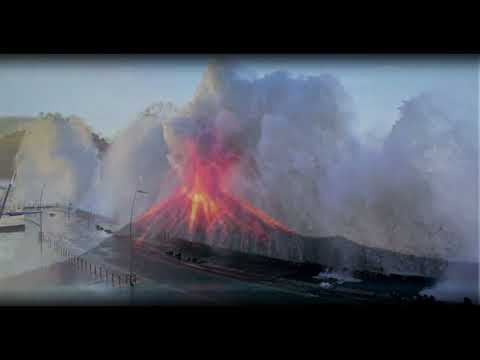
- Natural threats can arise without human intervention, such as geological processes leading to earthquakes, tsunamis, and volcanic activity. These events are inherent to Earth's natural systems.
- Atmospheric threats include hurricanes, tornadoes, droughts, and wildfires. These phenomena are often linked with climate conditions and can have devastating effects on communities.
- Hydrological threats relate to climatic events like excessive rainfall or droughts resulting in floods or depletion of aquifers. Such occurrences can disrupt water supply and agricultural practices.
Biological and Social Threats
- Biological threats encompass issues like pest infestations or epidemics that can affect public health significantly. These threats may emerge from ecological imbalances or changes in environmental conditions.
- Socially generated threats stem from human activities; air, water, and land pollution are prevalent examples that predominantly occur in urban areas but can also impact rural settings and marine environments. Other social threats include deforestation, overgrazing, intentional fires, and desertification.
Interaction Between Natural and Social Processes
- Often natural hazards are exacerbated by social factors; for instance, flooding due to increased precipitation may worsen in urbanized areas where construction obstructs water drainage systems. This interplay highlights the complexity of managing environmental risks effectively.