A brief history of the European Union
The Formation and Evolution of the European Union
Origins Post-World War II
- The European Union's formation was driven by treaties among European nations after World War II, aiming to foster peace and cooperation.
- In 1951, six countries (Belgium, Netherlands, Luxembourg, Italy, France, West Germany) formed the first union focused on coal and steel production to prevent future conflicts.
Expansion of Economic Cooperation
- By 1957, these nations established the European Economic Community (EEC), facilitating trade beyond coal and steel and promoting easier movement for people across member states.
- As membership grew, some citizens protested against joining the EEC due to concerns over national independence; new applicants had to be approved by existing members.
UK’s Membership Journey
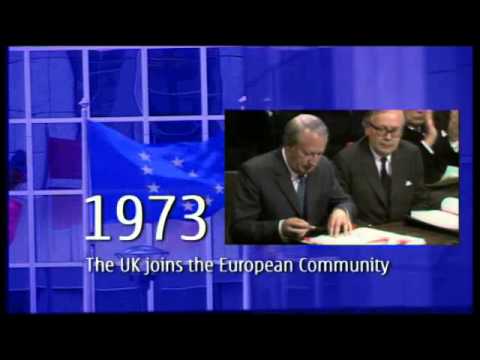
- The UK applied for EEC membership but faced rejections before finally joining in 1973. This marked a significant step towards greater participation in European affairs.
Legislative Developments
- In 1986, Prime Minister Margaret Thatcher signed the Single European Act to reduce trade barriers further; however, there was public dissent regarding close ties with Europe.
- The Maastricht Treaty in 1993 renamed the EEC as the EU and enhanced governmental cooperation in defense and justice while working towards economic integration.
Currency Changes and Enlargement
- The euro was introduced in 2002 as a common currency for twelve EU countries; only Denmark and Sweden opted to retain their currencies.