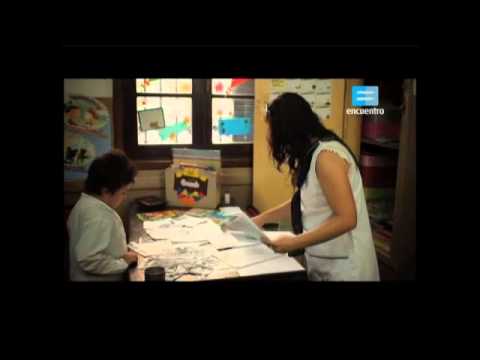
Historia de la Escuela Nueva
The Evolution of Education: The New School Movement
Historical Context and Emergence of the New School Movement
- In the aftermath of World War I around 1920, the world was undergoing reconstruction, prompting educators to rethink educational approaches in light of new governmental forms.
- Influences from the United States and Europe led to the adoption of progressive educational proposals known as "la escuela nueva" (the new school).
- The movement gained traction in Argentina during the 1930s, coinciding with a resurgence of church influence and military rituals in schools.
Principles and Ideals of La Escuela Nueva
- The New School proposed a redefined relationship between teachers and students, moving away from authoritarian models prevalent in the 19th century.
- Adolf Herria, a Swiss educator, established seven guiding principles for education that emphasized respect for individuality, cooperation between teachers and students, gender equality in education, and fostering citizenship awareness among students.
Key Concepts Opposing Traditional Education
- Concepts such as "paidós entrismo" emerged, which shifted focus from teacher-centered instruction to valuing student contributions within classrooms.
- Innovations introduced by la escuela nueva included mobile desks, classroom printing presses, unique notebooks for each student, and eliminating elevated teaching platforms.
Educational Practices and Curriculum Changes
- Art-based education became prominent through initiatives like drawing and free composition; curricula were organized around activities rather than strict disciplines.
- Historians categorize participants in this movement into three groups: organic reformers who worked within existing systems; transgressors who sought curricular changes; and radicalized individuals aiming for broader societal transformation through education.
Impact on Argentine Education System
- Critics argue that while la escuela nueva aimed to innovate schooling practices, it did not significantly expand access or alter content structure across all children.
- During the 1960s and 70s, further pedagogical innovations built upon la escuela nueva's principles with influences from notable figures like Jean Piaget and Paulo Freire.
Shifts in Understanding Childhood
- This period saw a shift towards recognizing children's rights within educational contexts; professionals began viewing children as subjects with needs for explanations about their emotions.
Cultural Renewal and Educational Changes
The Shift in Children's Art and Literature
- James discusses the suffering experienced due to English language challenges, highlighting a cultural renewal that led to the creation of art for children, including songs, books, and plays.
- He notes a departure from moralistic tones in children's themes, citing works like "Reino del Revés" and songs by María Elena Walsh as examples of newfound freshness and humor in childhood-related topics.
Democratic Recovery and Pedagogical Innovations
- Following the recovery of democracy in 1983, significant changes emerged that fostered pedagogical innovations known as constructivist approaches.
- A major area impacted was literacy learning; education began to view learning as a process of construction rather than mere memorization or repetition. Students were seen as active producers of knowledge.
Embracing Change in Education
- The evolution of public education aims to generate new proposals for each stage of development. This includes understanding problems and finding solutions.