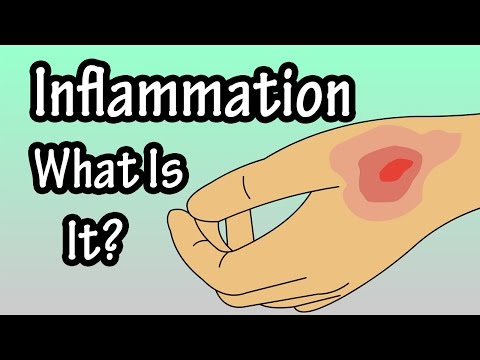
Inflammation - Inflammatory Response - What Is Inflammation In The Body?
What is Inflammation?
Understanding Inflammation
- Inflammation is defined as a protective response by the body to harmful stimuli, such as cuts or burns.
- Triggers for inflammation extend beyond physical harm and include toxins, bacteria, viruses, allergies, stress, and certain foods like fried items and those high in sugar or refined carbohydrates.
Mechanism of Inflammatory Response
- When an injury occurs (e.g., a splinter), white blood cells release histamine to signal nearby capillaries to open.
- The opening of capillaries allows blood plasma to enter the affected tissue area, which helps slow down foreign invaders while causing swelling.
- Cytokines are released by other white blood cells to attract more immune cells to the site of injury for effective defense against pathogens.
Outcomes of Inflammation
- The primary result of inflammation is the destruction of foreign invaders and damaged tissue.
- While acute inflammation serves a protective role, chronic inflammation can be detrimental and may arise from autoimmune conditions.