Let's end ageism | Ashton Applewhite
Aging: A New Perspective
The Reality of Aging
- Every person will inevitably grow older, a prospect that often instills fear.
- Common fears include living in nursing homes and suffering from dementia; however, only 4% of older Americans reside in nursing homes, and dementia rates are declining.
- Contrary to popular belief, happiness tends to increase with age, following a U-curve pattern where individuals are happiest at the beginning and end of life.
Understanding Ageism
- Ageism is defined as discrimination based on age, affecting perceptions of both younger and older individuals.
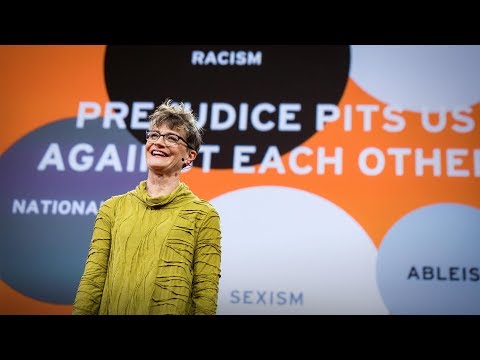
- All forms of prejudice—including ageism—are socially constructed and can evolve over time. They create divisions among people instead of fostering unity.
- The concept of "othering" is central to ageism; it involves viewing others as fundamentally different from ourselves.
Challenging Ageist Norms
- Denial about aging leads to negative behaviors such as trying to appear younger or feeling ashamed about natural changes in our bodies.
- Society often discourages celebrating adaptability and growth throughout life stages, leading to unhealthy attitudes towards aging.
Stereotypes and Their Impact
- Stereotyping individuals by their age overlooks the diversity within age groups; for example, retirement homes can house people spanning four decades.
- Many adults exhibit ageist behaviors without realizing it, such as avoiding interactions with those outside their own age group.
Cultural Influences on Aging Perceptions
- Negative portrayals of aging in media contribute significantly to internalized ageism from childhood onward.
- Older characters are underrepresented in film; when they do appear, they are often depicted negatively or as impaired.
Internalizing Ageism
- Individuals may unconsciously perpetuate stereotypes about aging (e.g., "senior moments") without recognizing their origins in societal messages.
The Role of Societal Structures
- Fears related to aging—such as financial insecurity or loneliness—are valid but influenced by cultural attitudes toward old age rather than inherent issues with aging itself.
Capitalism and Aging Narratives
- Age-related challenges are exacerbated by capitalism's need for markets driven by shame and fear surrounding aging (e.g., beauty standards).
Reframing Aging Positively
Changing Perspectives on Aging
The Fluidity of Culture and Age Perception
- Changing cultural perceptions is challenging, yet possible; examples include the evolving status of women and advancements in gay rights.
- There is no clear demarcation between youth and old age; perpetuating this idea harms individuals' self-perception and societal roles, particularly in the workforce.
- Stereotypes about older workers are unfounded; companies thrive not because of youthful employees but despite age-related biases.
Diversity and Ageism in the Workplace
- Diverse workplaces, including age diversity, lead to better performance; attitudes towards aging can impact health at a cellular level.
- Negative interactions with older individuals (e.g., "elderspeak") can diminish their perceived competence and capabilities.
Purpose and Ageing
- A sense of purpose is crucial for well-being in later life; societal narratives that devalue aging hinder this sense.
- Women face compounded discrimination due to both ageism and sexism, leading to unique challenges as they age.
Economic Implications of Aging
- Discrimination based on age affects health, well-being, and income over time; marginalized groups experience these effects more severely.
- By 2050, nearly two billion people will be aged 60+, representing an untapped market that capitalism often overlooks.
Global Age Bias Challenges
- Age bias exists globally, affecting access to healthcare and basic services for older populations.
- The future generation may inherit a world where ageism persists unless collective action is taken against it.
Collective Advocacy Against Ageism
- Addressing ageism does not detract from other social justice movements; improving conditions for aging benefits all marginalized groups.
Turn any video into a summary like this
YouTube links, meetings, lectures. With transcripts, search, and chat.