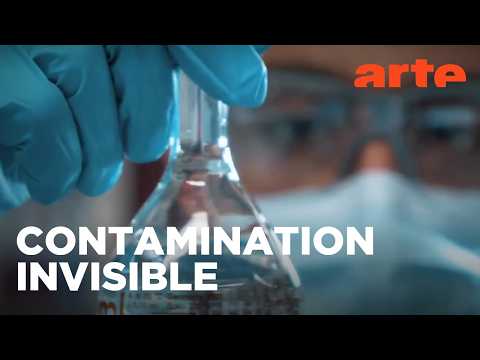
Pesticides : l’hypocrisie européenne | Documentaire (2022) | ARTE
The Impact of Agrochemicals in Brazil
Overview of Brazilian Agro-Industry
- Brazil is a leading player in the agro-industry, being the top producer of various crops such as cotton, rice, sugarcane, corn, and genetically modified soybeans.
- The country has a notorious reputation for high pesticide consumption, often referred to as an "empire of chemistry" by critics.
Chemical Contamination and Its Effects
- Chemical contamination from pesticides is not visible; rivers may appear clean but can contain harmful residues detectable only through laboratory analysis.
- With 3,669 approved pesticides, Brazil serves as a lucrative market for multinational companies that sell products banned in Europe.
Health Implications
- Approximately 20% of pesticide poisoning cases in Brazil involve children aged 0 to 19 years, highlighting severe public health concerns.
- There are ethical issues surrounding the importation of hazardous pesticides that harm Brazilian citizens while protecting European consumers.
Political Landscape and Regulatory Changes
- Jair Bolsonaro's election in October 2018 signaled increased freedom for the agro-food industry to operate without stringent regulations.
- Under Bolsonaro's administration, there has been a significant increase in pesticide approvals—more than any previous period in Brazilian history.
Environmental Consequences
- Deforestation rates surged post-election with over 900,000 hectares lost in 2019 alone due to agricultural expansion.
- The government’s policies have led to record authorizations for new pesticides and even attempts to reauthorize previously banned substances.
Corporate Influence and Market Dynamics
- Major European corporations like Syngenta (Switzerland), BASF (Germany), and Bayer (which acquired Monsanto in 2018), dominate the Brazilian pesticide market.
- In 2019 alone, these multinationals generated over €150 billion globally while maintaining a facade of promoting sustainable agriculture.
Transparency Issues and Export Practices
- A Swiss NGO has mapped out the global business practices of major pesticide companies revealing extensive secrecy around sales data.
- In 2018, the EU exported over 80,000 tons of banned pesticides primarily produced within its borders—highlighting hypocrisy regarding environmental safety standards.
Agricultural Practices and Their Ramifications
- The use of extremely dangerous pesticides—including carcinogens—is prevalent; many substances are prohibited domestically yet approved for export.
- The landscape has transformed into vast fields dominated by monocultures like soybeans and cotton with minimal biodiversity remaining.
The Impact of Pesticides in Mato Grosso
Overview of the Region and Its Challenges
- The region is often referred to as the "capital of depression" due to its alarmingly high suicide rates.
- Professor Marti Montanari has been analyzing tap water at a local school for six years, which serves over 1,000 students daily.
Pesticide Legislation and Findings
- Brazilian legislation permits 27 pesticides in drinking water; however, Montanari discovered additional contaminants.
- In Sapésal schools, 50% of monitored artesian wells contained pesticide residues, notably metolachlor and atrazine—both banned in Europe since 2003.
Community Response and Economic Pressures
- Despite alarming findings, there was no change in attitudes towards agribusiness or pesticide use among professionals at the school.
- Local economic dependence on agriculture creates resistance to questioning pesticide application practices.
Engagement with Local Producers
- Attempts were made to interview local producers who rely on pesticides; all multinational companies declined requests for interviews.
- Claudio Scariot, a local producer and deputy mayor, initially hesitant, eventually agreed to discuss his company's ecological practices.
Agricultural Practices and Chemical Use
- Scariot emphasizes the importance of maintaining clean rivers by avoiding pesticide application near waterways.
- He admits using atrazine for corn production but claims reduced usage compared to previous years by mixing it with glyphosate.
Concerns Over Future Herbicide Availability
- Scariot anticipates potential issues next year due to glyphosate shortages; he may resort to paraquat as an alternative herbicide.
- Paraquat's volatility poses risks during application under poor weather conditions; its recent ban raises concerns about future herbicide options.
Regulatory Violations and Health Risks
- There are ongoing violations regarding pesticide application distances from roads; sprayers operate illegally close to highways.
- Aerial spraying incidents highlight regulatory non-compliance that endangers public health as chemicals are released near populated areas.
Lack of Respect for Brazilian Legislation
Issues with Pesticide Regulations
- There is a noticeable lack of respect and even contempt for Brazilian legislation regarding pesticide use, leading to ongoing infractions without proper control or punishment.
- Claudio Oscariot expressed discomfort with questions about pesticides, indicating a reluctance to discuss agronomy and technical aspects related to the issue.
Water Quality Concerns
- Claudio claimed that local water sources appear clean, asserting that there is no pollution in the Juena River, thus deeming water analysis unnecessary.
- Contrarily, researcher Marti Montanari found 40 different pesticides in water samples, with contamination present in 56% of rainwater and 83% of tap water samples.
Contamination Beyond Rural Areas
Urban Impact on Water Safety
- The contamination issue extends beyond rural areas; São Paulo, home to over 27 million people, also faces significant challenges regarding water quality.
- Journalist Anna Arania began investigating urban water safety after being alerted by Laurent Gabriel about potential pesticide presence in tap water during her pregnancy.
Findings from Research
- Using public data, Arania created a map showing the extent of water contamination across major Brazilian cities, starting with São Paulo.
- Her research revealed that all tested pesticides were present in São Paulo's water between 2014 and 2017; notably, many are banned in Europe.
Public Awareness and Media Response
Alarm Over Contaminated Water
- In her findings published in 2018, Arania reported that half of Brazil's cities have contaminated drinking water. This alarming information was widely covered by national media outlets.
- Despite significant media attention and over half a million visits to their website post-publication, discussions around the issue quickly faded away.
Commonly Used Pesticides
- Paraquat and atrazine are among the most frequently used pesticides in Brazil. Atrazine has been banned in Europe since 2003 due to its harmful effects on groundwater.
Health Risks Associated with Pesticides
Endocrine Disruption Concerns
- Atrazine is classified as an endocrine disruptor; even at low doses it can interfere with hormonal systems and reproductive health.
Historical Context of Pesticide Use
- Many pesticides currently used in Brazil were previously utilized but later banned in Europe due to high risk assessments conducted by European authorities.
Environmental Catastrophes Linked to Pesticides
Case Study: Balle Incident
- The catastrophic incident at Balle involved an explosion risk due to stored agrochemical products leading to irreversible pollution from atrazine into local waterways.
Corporate Accountability
- Following public outcry over environmental disasters like Balle’s incident, companies such as Sandos (later Novartis then Saint-Gobain), faced pressure leading them to relocate production while continuing sales of atrazine for years afterward.
The Controversy of Paraquat: A Toxic Herbicide
Overview of Paraquat's Use and Risks
- Paraquat is a highly toxic herbicide developed in the 1960s, still in use today, particularly in countries outside the EU where it is banned.
- Ingesting just one teaspoon can be fatal; it causes thousands of poisonings annually, especially among unprotected farmers in developing nations.
- The continued approval of paraquat in some countries raises concerns about risk assessment procedures managed by public agencies.
Regulatory Challenges and Industry Influence
- In Europe, regulatory agencies have more resources compared to developing countries, which often lack adequate personnel for pesticide risk evaluation.
- While Europe has between 100 to 300 experts assessing risks, many developing nations may have only 0 to 3 individuals responsible for such evaluations.
- The data used for assessments are primarily provided by the pesticide manufacturers themselves, leading to potential conflicts of interest.
Criticism of Regulatory Practices
- Géraldine Cutas from the European agrochemical industry argues that providing data is necessary for regulation but downplays concerns about analysis capacity.
- Critics highlight that reliance on industry-provided studies creates a significant flaw in the risk assessment process due to confidentiality issues surrounding these studies.
Historical Misconduct and Data Manipulation
- Investigations have revealed irregularities and fraud when independent scrutiny was applied to industry data over decades.
- John Eings, a whistleblower toxicologist, exposed how public agencies were misled regarding paraquat’s safety over a span of 60 years.
Case Study: John Eings' Findings on Paraquat
- Eings demonstrated that ICI (now Zeneca), falsified safety data concerning paraquat while he worked on making it less lethal after ingestion.
- He discovered that existing formulations did not effectively induce vomiting quickly enough to prevent fatalities from ingestion within an hour.
Consequences of Data Falsification
- Eings found discrepancies in clinical trial reports where critical information about dosage effectiveness was omitted or altered by Saint-Jacques.
- When he raised concerns internally about these findings, he faced resistance due to potential reputational damage for the company involved.
Agricultural Practices and Pesticide Controversies
Misuse of Data in Pesticide Regulation
- The document referenced incorrect data from a 1977 report, leading to significant issues in pesticide regulation. A detailed response was provided to the agrochemical division, highlighting the problems with their reliance on this data.
- Despite the comprehensive feedback, there was no acknowledgment or response from the division, indicating a lack of accountability in regulatory practices.
Impact of Paraquat Usage
- In Europe, false data allowed paraquat to remain on the market for an additional decade, resulting in numerous poisonings before its eventual ban. This raises questions about regulatory oversight and public safety.
- Financial considerations were prioritized over health concerns; increasing antidote dosages was deemed too costly despite potential lives saved.
Delayed Bans and Ongoing Sales
- The European Union only banned paraquat in 2007, while it continues to be sold in countries like the United States and India, reflecting inconsistent global regulations on harmful pesticides. A clinical toxicology professor estimates that paraquat has caused nearly 10,000 deaths globally.
Corporate Influence on Agriculture
- The European Food Safety Authority (EFSA) declined interview requests regarding pesticide evaluations, suggesting a lack of transparency in agricultural practices and policies. Discussions around sustainable agriculture are often overshadowed by corporate interests that prioritize profit over health and environmental sustainability.
- There is a narrative promoted by agribusinesses claiming they work for humanity's benefit; however, evidence suggests otherwise as journalists struggle to make their findings heard against powerful lobbying efforts.
Socioeconomic Disparities in Brazilian Agriculture
- Agribusiness narratives claim success for Brazil’s agricultural sector; however, this model has not led to social development but rather resulted in significant job losses among rural workers—over one million lost jobs within ten years. This indicates a concentration of land ownership where just 1% controls half of Brazil's agricultural land.
- Larissa Bombardi's research highlights the intertwined interests between European chemical companies and large Brazilian landowners who prioritize pesticide sales over food production for human consumption. This shift reflects an industry more focused on raw material production than actual food security.
Political Dynamics Affecting Agricultural Policies
- President Jair Bolsonaro appointed Teresa Cristina as Minister of Agriculture shortly after taking office; she is known for her pro-agriculture stance which includes rebranding pesticides as "defensive products" to diminish their negative connotations—a move criticized by opposition members like Alexandre Padilha who emphasize public health concerns related to pesticide contamination in water supplies used by children at schools.
- During parliamentary discussions, Padilha confronted Cristina about alarming levels of pesticides found in drinking water sources linked to agricultural runoff; her dismissal of these studies raises concerns about governmental accountability regarding public health risks associated with pesticide use.
Pesticide Controversies in Brazil
The Role of Teresa Christina and Political Support
- Teresa Christina, known as "the muse of poison," advocates for pesticide use, supported by 200 agricultural parliamentarians who influenced Bolsonaro's appointment of her.
- Her strong backing from the agricultural sector highlights the political connections that facilitate the widespread approval of pesticides.
Lobbying and Legislative Influence
- Meetings at the IPA (Instituto Pensar Agro), funded by pesticide manufacturers, showcase how lobbyists and parliament members collaborate to shape future legislation.
- Despite repeated requests for interviews with key figures, communication barriers reveal a lack of transparency within these influential groups.
Power Dynamics in Brazilian Agriculture
- The ruralist parliamentary group is identified as a dominant force in Brazil's economic right-wing politics, influencing environmental regulations and legislative agendas.
- Their agenda includes anti-abortion stances and gun rights advocacy, indicating a broader conservative coalition beyond agriculture.
Legal Challenges and Environmental Concerns
- A young prosecutor faces backlash after attempting to enforce laws against pesticide use near protected water sources, illustrating the risks faced by those challenging powerful landowners.
- Judge Gilmar Mendz’s dual role as a major landowner raises ethical concerns regarding his influence on pesticide legislation while violating environmental laws himself.
Consequences for Whistleblowers
- Prosecutor Daniel Zapia experiences disciplinary action for enforcing environmental laws against Mendz, highlighting systemic issues within legal enforcement related to agriculture.
- Zapia’s suspension reflects the dangers faced by individuals who confront entrenched power structures in Brazil's agricultural sector.
Insights into Agricultural Practices
- An interview with Luis Roberto reveals extensive melon farming operations covering 30,000 hectares in northeastern Brazil, emphasizing large-scale agricultural practices.
- The processing facility uses chlorine to sanitize melons before exportation, showcasing industrial methods employed in food production aimed at international markets.
Carrefour and Pesticide Regulations
Overview of European Supermarket Supply Chain
- Carrefour and other European supermarkets are supplied directly with products, including melons from Brazil.
- Workers apply a controversial substance called Imazal on Limazal melons, which is banned in France but tolerated for imported goods.
Quality Control Measures
- Alex Carlos, quality manager at Agricol Famoza, discusses tests conducted by a private European lab to ensure fruit samples meet regulatory standards before export.
- The presence of Imidaclopride, a pesticide banned in the EU since 2020, is highlighted during testing discussions.
Regulatory Discrepancies
- The conversation reveals that while Imidaclopride is prohibited in Europe due to environmental concerns, it remains legal in Brazil.
- Alex finds the EU text justifying the ban relates to risks for pollinators beyond just bees.
Principle of Precaution
- The principle of precaution used by Europe leads to strict regulations against certain pesticides based on potential risks rather than confirmed harm.
- This principle allows Brazilian producers to use substances deemed harmful in Europe without restrictions.
Pesticide Safety and Export Challenges
Inspection of Pesticide Stocks
- An inquiry into pesticide stocks reveals classifications based on toxicity levels; blue indicates low toxicity while green signifies non-toxic products.
Banned Substances in Europe
- Several pesticides like Mancozeb and Chlorothalonil are discussed as being banned in the EU yet still used in Brazil.
- Luis Roberto defends his practices by stating reliance on government agencies for safety assessments despite ambiguity regarding health impacts.
Residue Concerns and Research Findings
- Research shows that 62% of imported products into Europe contain pesticide residues, with about 8% exceeding permissible limits.
Environmental Implications of Pesticide Use
Circle of Poisoning Concept
- Larissa Bombardi's research suggests a "circle of poisoning," where agrochemicals banned in the EU are sold to countries like Brazil and then re-imported into Europe through various food products.
Greenpeace Investigation Results
- Greenpeace's investigation tested 70 fruit samples from Brazil, detecting residues from 35 different pesticides across nearly all samples.
Health Risks Associated with Specific Chemicals
- Among detected substances was Chlorothalonil, linked to serious health risks such as carcinogenic effects and negative impacts on wildlife.
Concerns Over Pesticide Residues in Imported Products
European Legislation on Pesticide Residues
- The speaker acknowledges the effectiveness of regulations as a safeguard for consumers, emphasizing that European legislation sets maximum residue limits for imported products.
- These regulations ensure that pesticide residues in imports are not toxic to consumers, thus posing no risk to European health when consuming imported goods.
Criticism from European Parliament Members
- Some EU parliamentarians express concern over the concept of residue limits, questioning their validity and necessity.
- A specific threshold of 0.02 micrograms is mentioned, raising questions about why any limit exists if ideally it should be zero.
Impact of Import Regulations
- The speaker highlights a paradox where Europe prohibits highly toxic products but allows their exportation to third countries, which can lead to contamination upon re-importation into Europe.
- Greenpeace's study indicates some imported fruit samples exceeded these residue limits, leading to legal implications regarding market circulation.
Regulatory Oversight and Control Issues
- Out of ten distributors analyzed by Greenpeace, only two responded regarding the findings; regulatory authorities did not engage with the concerns raised.
- There is a noted lack of rigorous control at borders for pesticides in transit, both in exporting countries like Brazil and upon arrival in the EU.
Concerns About Pesticide Combinations
- NGOs argue that current legislation fails to address the "cocktail effect" caused by multiple pesticides present on single fruits or vegetables.
- The difficulty lies in assessing combined effects since evaluations typically focus on individual pesticides rather than their interactions.
Health Risks and Industry Accountability
- The cumulative effects of various chemicals—including endocrine disruptors—are challenging to measure but pose significant health risks.
- Despite warnings about potential dangers, Europe continues allowing exports of toxic pesticides to other regions, enabling industries to evade responsibility.
Case Study: Agroindustry Impact in Brazil
- A significant portion (three-fourths) of exported products goes to markets with strict regulations like the U.S., Japan, and Australia; however, these systems differ from those in the EU.
- In Limoeiro de Norte, Brazil's agroindustry has led to adverse effects on local populations due to aerial pesticide spraying practices since early 2000.
Local Resistance Against Agrochemical Practices
- Residents have begun fighting against harmful agricultural practices; one notable figure emerged as an icon against aerial spraying abuses.
- Despite regulations prohibiting close-range spraying near villages (200 meters), violations occur frequently without accountability from agro-industrial entities.
The Impact of Agrotoxins on Health
The Immediate Effects of Agrotoxins
- People witnessed the aftermath of an aerial pesticide spraying, leading to the death of 80 out of 150 chickens in one day. Zé Maria expressed concerns about future health issues, predicting a rise in cancer and congenital malformations due to agrotoxic exposure.
Zé Maria's Legacy and Community Struggles
- Zé Maria was tragically murdered, with the suspected mastermind being a wealthy landowner who was acquitted. His fears regarding health consequences were validated by a study showing nearly a 40% increase in cancer cases in the region. Adapont has taken up his fight for justice and awareness.
Personal Accounts of Health Issues
- Lucia shared her experience with her daughter suffering from precocious puberty, noting abnormal physical developments at just 18 months old. This alarming trend is echoed by other mothers reporting severe birth defects within their community.
Congenital Malformations Linked to Pesticides
- In Tomé, there have been five reported cases of congenital malformations within two years among approximately 2,500 residents—significantly higher than national averages in Brazil. Research aims to establish connections between these malformations and pesticide exposure during pregnancy.
Evidence from Research on Pesticide Exposure
- Adapont's research indicates that families exposed to pesticides show concerning metabolites linked to pyrethroids (a class of pesticides) in their urine samples. Chronic low-dose exposure has been associated with serious health issues like congenital malformations and early puberty onset among children in affected communities.
Legislative Changes and Pesticide Controversies in Brazil
Prohibition of Aerial Spraying
- Renato Roseno, a deputy from Cara, successfully passed a law in 2018 prohibiting aerial spraying throughout the state. This victory prompted major agricultural operators to retaliate against the legislation.
Legal Challenges and Broader Implications
- Other parliaments in different states are discussing similar laws inspired by Roseno's initiative. Winning at the Supreme Court could encourage these states to adopt comparable regulations.
Taxation Discrepancies on Pesticides
- Currently, pesticides are not taxed, contrasting sharply with other products like aspirin which incur a tax of at least 17%. This discrepancy highlights an absurdity where the state promotes pesticide production and consumption without taxation.
European Union's Role and Hypocrisy
- The speaker criticizes the EU for allowing substances banned in Europe to be used in Brazil, labeling it as hypocrisy. The neoliberal model has created "sacrificial zones" where dangerous activities have been relocated, impacting public health negatively.
Call for Change from Larissa Bombardi
- Brazilian geographer Larissa Bombardi urged the EU to recognize that over 500 babies are poisoned by agrochemicals annually in Brazil, equating this situation to infanticide due to negligence regarding human life value compared to other regions.
Health Impact Statistics
- Approximately 20% of those poisoned by agrochemicals in Brazil are children aged 0-19 years, indicating a severe public health crisis that demands urgent attention and action from international bodies.
Threatened Activism
- Following her international denunciation of these issues, Bombardi faced threats leading her to leave Brazil; she now resides in Europe due to safety concerns for environmental activists who face violence there.
Legislative Actions in Europe
- European deputies have reached out to the European Commission seeking an end to practices contributing to poisoning through chemical exports that should be banned based on toxicity levels recognized within Europe itself.
Potential for Change Through Trade Regulations
- The potential ban on importing food produced with prohibited pesticides could significantly shift local agricultural practices towards safer methods if enforced effectively at borders against contaminated exports like coffee or oranges from Brazil.
Local Movements Towards Sustainable Agriculture
- Despite challenges, small independent farmers have formed successful cooperatives producing organic rice without chemicals since transitioning away from conventional agriculture due to health issues related to pesticide exposure experienced previously by some farmers involved.
This structured summary captures key discussions around legislative changes regarding pesticides in Brazil while highlighting significant insights into public health implications and activism efforts aimed at reforming agricultural practices both locally and internationally.