как продать что угодно в интернете в 2026 году (читы на деньги)
How to Sell Products Online in 2026
Introduction to the Guide
- The video aims to provide a straightforward guide on selling products, services, and goods online in 2026.
- It addresses the overwhelming amount of complex information that beginners face and focuses on foundational knowledge necessary for starting out.
Understanding the Modern Buyer
- Emphasizes the importance of understanding your audience as a key element in sales strategy.
- Identifies three critical questions: Who is your potential buyer? Where are they located? Why are they interested in your content or product?
Defining Your Audience
- Suggests creating a profile of your ideal customer by considering demographics such as gender, age range, and interests.
- Highlights the need to understand both physical and emotional problems that your product can solve for customers.
Sales Funnel Overview
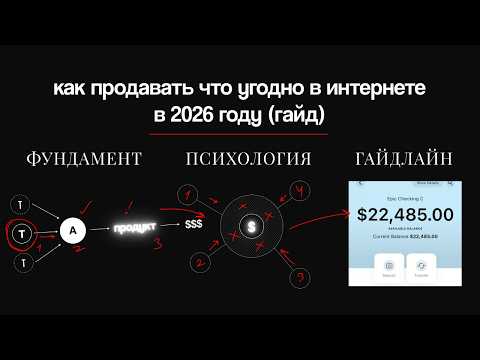
- Introduces a flexible sales funnel model applicable to various products like apps, courses, or mentorship programs.
- Describes how traffic sources lead into an audience accumulator where deeper engagement occurs before presenting products for sale.
Choosing Traffic Sources
- Discusses selecting an appropriate platform for audience accumulation; Telegram is noted as popular among Russian speakers.
- Mentions alternatives like Discord and Buсти (Boosty), emphasizing their unique functionalities and target audiences.
Analyzing Social Media Platforms
TikTok Insights
- Describes TikTok's predominantly young audience who respond well to new trends and meme content.
- Notes that while TikTok can generate significant traffic through engaging memes, educational content may require specific presentation styles.
YouTube Insights
- States that YouTube offers high conversion rates due to deeper connections between creators and their audiences.
- Warned against using Shorts on YouTube if long-form content is chosen; emphasizes the importance of format alignment with audience expectations.
Choosing the Right Platform for Content Creation
YouTube as a Starting Point
- YouTube is recommended for those unsure of where to start or with niche topics, as it allows deeper audience engagement. A viewer watching for 5 minutes indicates genuine interest in the content.
- The platform's advantage lies in its ability to foster connections, increasing the likelihood that viewers will follow or engage further.
Instagram's Unique Approach
- Instagram focuses on lifestyle and emotional content; dry information does not perform well here, especially in the CIS market. Adaptation to emotional storytelling is crucial for audience engagement.
- To succeed on Instagram, creators should analyze competitors' successful formats through Reels and adapt their strategies accordingly. The platform has a predominantly female audience, making it ideal for targeting women-centric niches.
TikTok and Audience Analysis
- If your target audience is primarily on TikTok or if you prefer not to create educational videos, this platform may be more suitable than others like YouTube or Instagram. However, initial success may take time without trending formats.
- Ultimately, choose a platform where you spend most of your time; personal comfort can enhance content creation effectiveness.
Content Creation Strategies
Importance of Experimentation
- Understanding which content format works best requires actual video uploads; many creators procrastinate at this stage instead of experimenting with different styles and ideas. This hands-on approach builds experience over time.
- Start by replicating successful ideas from competitors before adapting them to fit your unique style and audience needs based on analytics feedback from initial videos. This method accelerates learning and reduces wasted effort on ineffective formats.
Overcoming Initial Challenges
- Creators should avoid discouragement when early videos do not achieve high view counts; persistence is key in developing engaging content over time while continuously adapting based on performance insights.
- There are numerous successful formats that do not require showing one's face or voice—examples exist within various channels demonstrating effective anonymous content creation strategies.
Publishing Frequency and Content Focus
Establishing a Consistent Schedule
- Aim to publish one to two videos daily as part of an ideal routine; consistency helps build an engaged audience over time while allowing room for quality improvement in production processes.
Engaging Your Audience Beyond Videos
- When directing viewers from video content to platforms like Telegram, ensure that the additional material provides substantial value rather than unrelated lifestyle posts; 80% of posts should focus on useful information while only 20% can include lifestyle elements as filler or context.
- Audiences expect enhanced insights related directly to video topics upon transitioning platforms—failure to meet these expectations can lead to disengagement from your channel altogether.
- Lifestyle posts should serve as light intermissions between valuable content rather than dominate communication channels unless specifically branded around personal life narratives from the outset.
- Integrate useful information into lifestyle posts even if they are meant primarily for entertainment purposes—this maintains relevance across all types of shared media interactions with followers.
Understanding the Sales Funnel
The Importance of Content Engagement
- Engaging content leads potential customers through a funnel: from viewing videos to joining Telegram for more valuable posts, ultimately resulting in subscriptions.
- Focus on delivering value related to your product rather than personal anecdotes; this applies across various platforms like Telegram channels and apps.
Authenticity Over AI-generated Content
- Avoid using neural networks for writing posts as it can dilute your identity and authenticity, leading to a loss of trust among your audience.
- Even if writing skills are lacking, genuine content is preferred over AI-generated text; authenticity resonates more with audiences.
Modern Sales Psychology
- Aggressive sales tactics are ineffective; instead, focus on showcasing products without pressure. This principle should guide business practices.
- Traditional high-pressure sales methods may work for large companies but are not suitable for smaller businesses aiming for sustainable sales.
Building Trust and Identity
- Establishing an identity that fosters trust is crucial; people prefer buying from those they believe in and feel comfortable with.
- There’s no direct correlation between how often you ask someone to buy and their likelihood of purchasing; understanding customer awareness stages is key.
Stages of Customer Awareness
- The first stage is recognizing the usefulness of your content, which encourages potential customers to follow you.
- The second stage involves building trust based on the format and presentation of your content. Authenticity plays a significant role here.
Desire and Purchase Decision
- In the third stage, desire develops when customers feel a personal connection or see additional value in what you offer.
- Customers' decisions to purchase occur subconsciously after going through these awareness stages at their own pace.
Value Proposition in Free Offerings
- Providing valuable information for free builds trust; modern digital businesses thrive by sharing extensive knowledge upfront.
- When customers perceive high value in free offerings, they are more likely to invest in paid products that provide even greater benefits.
Guidelines for Content Creation and Audience Engagement
Understanding Your Target Audience
- Spend 10-20 minutes creating a composite image of your target audience using AI tools to understand who will benefit from your content.
Choosing the Right Platform
- Identify the traffic source by determining the platform for video publication, considering your niche and format.
Setting Up Your Online Presence
- Create or optimize an account on the chosen platform and establish a space (like Telegram or Boost) where your audience can engage with you.
Defining Your Product Offering
- Clearly outline what product you intend to sell—be it an app, community, guide, etc.—to streamline content creation.
Content Production Strategy
- Document ideas in a tool like Notion to track video production; prioritize video content while maintaining engagement through other platforms like Telegram every two days.
Promoting Your Product Effectively
- Regularly remind your audience about your product through weekly posts that highlight its benefits in a natural manner.
Building an Engaged Audience
- Start promoting products once you have some audience traction; more followers allow for greater experimentation with marketing strategies.
Case Studies of Successful Content Strategies
Example 1: Leveraging TikTok for Engagement
- A team earned $100,000 in three months by creating a web app that humanizes AI-generated text, targeting students via engaging TikTok videos that went viral.
Example 2: Niche Marketing Success
- An author focused on productivity templates for Notion created videos that attract viewers interested in specific solutions rather than mass appeal, generating around $30,000 monthly.
Example 3: Trendy Niches and Consistent Content
- A creator capitalized on the trending niche of adult content using AI by producing short guides on YouTube; despite similar information across videos, consistent uploads keep engagement high.
Monetizing Content: A Case Study
Overview of Monetization Strategies
- The speaker discusses a content creator who successfully monetizes their audience through platforms like Patreon, which is likened to Boost and School for selling courses. Access to their guide costs $30 per month, with 315 participants at the time of the screenshot, generating a minimum revenue of $9,450 monthly.
- The creator also shares exclusive content on Patreon with paid memberships. Despite the information being readily available online (due to its trending nature), people are still willing to pay for it, indicating a strong market demand.
- Notably, the creator uses Eleven Labs for voiceovers instead of their own voice. This raises questions about authenticity in content creation; however, viewers continue to trust and support them due to perceived value and trend awareness.
Conclusion and Further Resources
- The speaker concludes by inviting viewers to join their Telegram channel where they share a text version of the guide that offers deeper insights into each step discussed.