Prácticas de servicio comunitario
Attendance and Class Introduction
Attendance Roll Call
- The instructor greets the class, asking how everyone is doing and begins taking attendance.
- Students respond to their names being called, confirming their presence with greetings.
- Multiple students are acknowledged as present, showcasing a friendly classroom environment.
- The roll call continues with various students responding affirmatively, indicating engagement in the session.
- The instructor thanks each student for their response, maintaining a positive atmosphere.
Class Structure and Expectations
Review of Recommendations
- The instructor expresses hope that all students are well before transitioning into reviewing recommendations from Edwin.
- Acknowledges potential confusion regarding changes in assignment structure due to varying numbers of questions across subjects.
- Emphasizes the importance of understanding new distribution methods for assignments to avoid confusion among students.
- Sets a time limit for discussions and clarifications until 20:50, ensuring efficient use of class time.
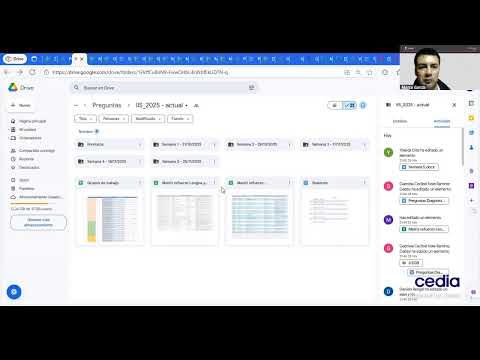
- Instructs students on accessing necessary materials through a fixed message link in their group chat.
Group Activities and Clarifications
Group Work Instructions
- Students are reminded about the location of resources needed for their activities from previous weeks.
- A student requests clarification on an issue they encountered during group work; the instructor agrees to address it directly after setting up groups.
- Instructor mentions adjustments to group tasks, specifically omitting certain columns from consideration in future assignments.
Distribution of Educational Tasks
Overview of Group Distribution Changes
- The speaker plans to send a revised distribution of groups, omitting certain details to avoid confusion.
- A question arises regarding the number of questions for a mathematics group; it is clarified that they will not need to complete the last five questions.
- The speaker mentions sharing new materials and emphasizes the importance of understanding the changes being made.
Adjustments in Question Count
- Initially, there were 352 questions, but after corrections, only 349 remain due to overlapping errors.
- The speaker explains that while some groups can handle five questions each, others face limitations due to fewer available questions.
Clarification on Task Assignments
- The speaker outlines how tasks will be assigned based on group numbers and color-coded categories for clarity.
- Specific colors are used to differentiate subjects: mustard for language and literature, blue for mathematics.
Detailed Instructions for Groups
- Group one is instructed to answer five specific questions from language and literature (questions 16–20).
- The process involves downloading files from week four and submitting them in week five.
Sequential Task Completion Strategy
- Group two will work on subsequent questions (21–24), ensuring a collaborative approach where submissions build upon each other.
- There is an emphasis on clarity regarding submission order and task completion among groups.
Final Clarifications
- The speaker reiterates the total number of required questions across weeks and confirms that all groups understand their assignments clearly.
Dynamic Group Collaboration in Document Sharing
Suggestions for Efficient Group Work
- The speaker suggests making the group work more dynamic by allowing simultaneous contributions from different groups, rather than having one group wait for another to finish.
- A method is proposed where a member of each group can copy and share documents directly from a shared drive, enabling both groups to work on their assigned sections concurrently.
- This approach allows for better organization as members can ask questions and clarify tasks without confusion, ensuring everyone knows their responsibilities.
Addressing Concerns About Organization
- There is concern about potential disorganization when two distinct groups are working simultaneously; however, the speaker encourages collaboration if done properly.
- The recommendation includes that each group should upload their questions in an orderly manner to avoid confusion and ensure clarity in task completion.
Clarifying Tasks for Each Group
- The discussion confirms that all 24 questions for bioliterature have been completed, with specific tasks outlined for Group Two regarding missing questions.
- Group Three is instructed to focus on topics 16 through 20 while also addressing additional questions due to the number of required inquiries this week.
Adjustments in Task Distribution
- The speaker clarifies adjustments made to the distribution of tasks among groups due to previous misunderstandings about subject assignments.
- It’s emphasized that the new distribution will be followed moving forward, indicating a shift from earlier plans which may have caused confusion.
Finalizing Responsibilities Across Groups
- Each group's responsibilities are reiterated: Group Four must handle multiple subjects while ensuring they complete five total questions across different areas.
- Collaboration between Groups Three and Four is encouraged, with an emphasis on sharing documents effectively to facilitate question additions.
Group Assignments and Instructions
Overview of Group Tasks
- The speaker emphasizes the importance of maintaining order when sharing documents, suggesting that each group should first compile their own contributions before merging with others.
- Group four is mentioned as being integrated into a shared document, indicating collaboration among groups for project completion.
- Groups five and six are instructed to review specific topics (questions 16 to 20 for group five and questions 21 to 23 for group six), ensuring clarity in their tasks.
Clarification on Group Responsibilities
- The speaker confirms that the tasks assigned to groups five and six are clear, reiterating the need for precise question numbers related to mathematics.
- Groups seven and eight are introduced, with members listed. The speaker checks if there are any difficulties regarding their assignments from questions 16 to 20.
Submission Guidelines
- It is noted that group eight may face some challenges but overall clarity is maintained across all groups regarding their respective tasks.
- Group nine's responsibilities involve reviewing topics from questions 16 to 20, while group ten will focus on questions 21 to 25.
Final Instructions and Deadlines
Review Process
- The speaker reassures that all groups understand their assignments clearly, emphasizing the importance of reviewing remaining topics thoroughly.
- Specific instructions are given for groups eleven through twelve regarding language and literature topics in seventh grade.
Document Sharing
- A mention of sharing files via WhatsApp indicates a collaborative approach towards document management among students.
Deadline Reminder
- The deadline for submitting work is set for Friday, with a reminder that late submissions should be avoided.
Addressing Issues in Evaluation
Challenges Faced by Students
- A student raises concerns about issues encountered during evaluation preparation, specifically mentioning discrepancies in completed work.
Suggestions for Improvement
- The teacher encourages students who have already completed certain questions to either improve upon them or create new ones based on previous formats provided.
Format Consistency
- Emphasis is placed on adhering to format guidelines as they can vary between years; students are advised to check shared resources carefully.
Discussion on Evaluation Format
Structure of Questions
- Daniela raises a question about the structure of the evaluation questions, specifically whether to follow their own format or adapt to that of their peers.
- The instructor clarifies that various types of questions can be used, including development, completion, relationships, and multiple-choice formats.
Adherence to Original Format
- The instructor emphasizes the importance of adhering to the original format provided in their materials.
- Doris points out that their group deviated from the established format by creating a planning-type document instead of a traditional evaluation.
Concerns About Evaluation Structure
- There is concern regarding the lack of context and proper structure in the new format created by another group; it resembles more of a planning document than an evaluative one.
- The group expresses uncertainty about whether to continue with this new approach or revert back to the original evaluation format since they have already completed several questions.
Clarification on Current Work
- The instructor asks for clarification on which subject and grade level they are working on—specifically sixth-grade language and literature.
- The instructor admits not having reviewed previous work but plans to do so soon while encouraging students to correct any errors they notice moving forward.
Next Steps for Formatting
- Students are instructed to work according to the original evaluation format while incorporating necessary adjustments as needed.
- A decision is made for students to create a new folder using this updated format starting from question 16 onward.
Document Review Process
- Students are advised to download files from week four uploaded by another group and add their questions at the end without issues.
- Mayeli mentions confusion regarding submissions related to fifth grade; clarity is sought on how best to integrate their contributions into existing documents.
Importance of Accuracy in Submissions
- The instructor stresses ensuring that all documents align with both subject matter and educational year requirements before submission.
- Emphasis is placed on careful review processes before finalizing submissions, highlighting potential chaos if incorrect years or subjects are mixed up.