Cellular Respiration Part 3: The Electron Transport Chain and Oxidative Phosphorylation
Oxidative Phosphorylation Overview
In this section, Professor Dave discusses oxidative phosphorylation as the final step in cellular respiration, highlighting its significance in generating ATP through an electron transport chain.
Electron Transport Chain Components
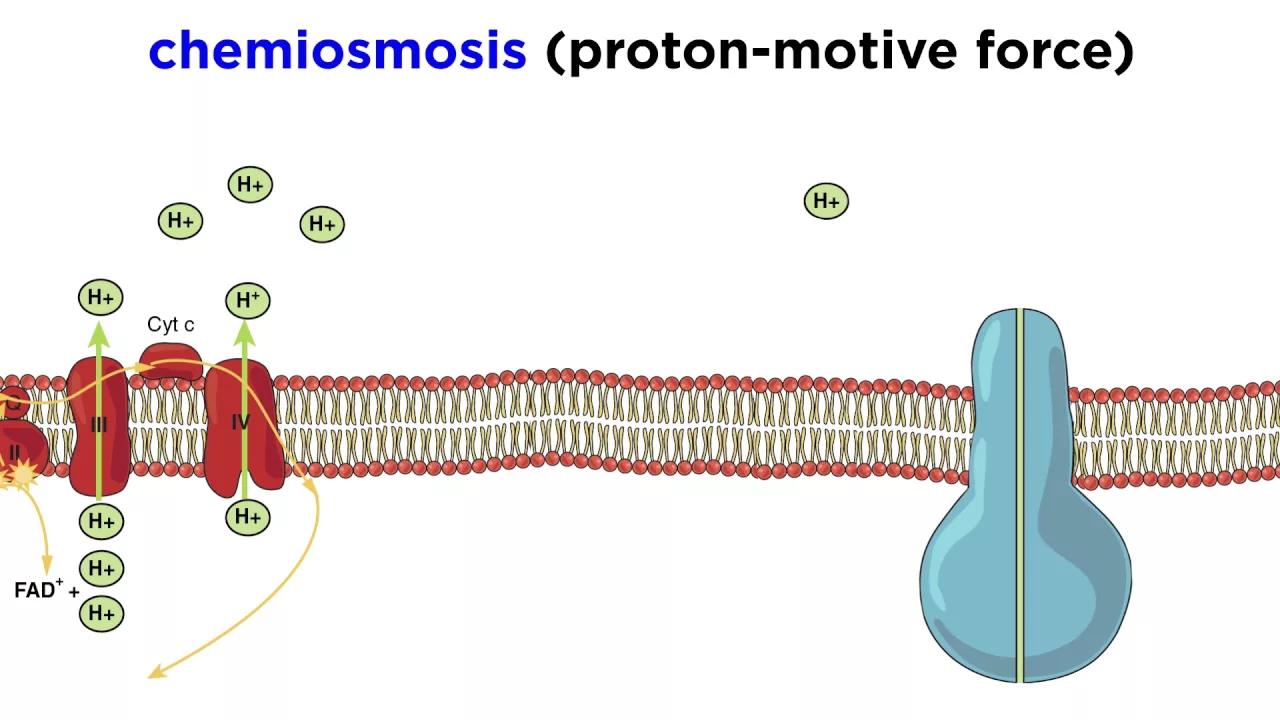
- The electron transport chain consists of protein complexes I-IV located in the inner mitochondrial membrane.
- These protein complexes contain various prosthetic groups like flavin mononucleotides and cytochromes, essential for their functionality.
- Ubiquinone, also known as Coenzyme Q, is a non-protein compound within the chain that aids in electron transfer.
Proton Gradient and ATP Synthase
- Redox reactions within the electron transport chain lead to the creation of a proton gradient across the inner mitochondrial membrane.
- This proton gradient powers ATP synthase, which synthesizes ATP from ADP using the energy from protons moving back into the mitochondrial matrix.
- Chemiosmosis occurs as protons move through ATP synthase due to the gradient, driving ATP production.
Energy Yield of Cellular Respiration
This part focuses on the energy yield of cellular respiration pathways like glycolysis, citric acid cycle, and oxidative phosphorylation.
Energy Production Summary
- Glycolysis produces 2 ATP per glucose molecule and generates pyruvate for further processing.
- The citric acid cycle yields additional 2 ATP along with NADH and FADH2 molecules crucial for oxidative phosphorylation.