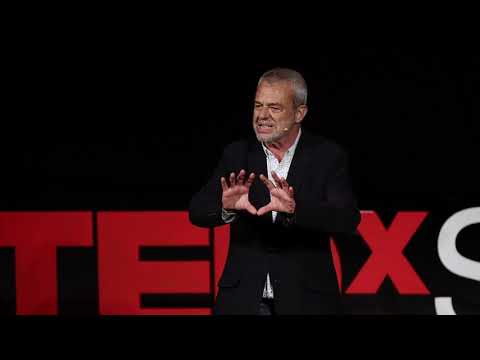
"Los secretos de la persuasión" | Raimond Torrents | TEDxSitges
New Section
This section introduces the theme of persuasion and its impact on behavior, focusing on the power of emotional messages in influencing memory and attention.
Introduction to Persuasion
- The speaker discusses the persuasive nature of phrases like "Will you marry me?" and "Buy two and get one free," highlighting how these messages aim to influence behavior.
- Persuasion is defined as convincing someone through rational or emotional arguments to act in a specific way, emphasizing the importance of attention, memory, and behavior in the process.
- Attention and memory are crucial components in persuasion, with emotions playing a significant role in capturing attention and forming lasting memories.
The Role of Emotion in Persuasion
This section delves into the impact of emotion on memory retention and how it influences our perception of messages.
Emotional Influence
- Emotions play a vital role in breaking barriers of attention and storing memories effectively, enhancing the recall value of emotionally charged messages.
- An experiment is conducted to demonstrate how emotions can significantly impact memory retention by asking participants about memorable events related to emotions.
Enhancing Message Retention Through Emotion
This part explores how emotionalizing messages can improve message recall by linking them with strong emotions.
Emotionalizing Messages
- By infusing messages with emotion, individuals are more likely to remember and recall them due to the intensity of associated feelings.
- Perception plays a crucial role in message reception, as individuals may interpret stimuli differently based on their perceptions. Active listening helps align message essence with what is transmitted for effective communication.
Motivation in Behavior Change
The discussion shifts towards motivation as a key factor in driving voluntary behavior change rather than manipulation tactics.
Motivational Factors
- Differentiating between intrinsic and extrinsic motivation highlights how personal drive versus external rewards influence behavior choices.
Intrinsic vs. Extrinsic Motivation
The speaker discusses the concepts of intrinsic and extrinsic motivation, highlighting their impact on behavior and outcomes.
Intrinsic Motivation
- "Intrinsic motivation is more powerful, lasts longer, and works better than extrinsic motivation."
- Emphasizes the importance of understanding personal skills to enhance communication.
Extrinsic Motivation
- Shares a personal anecdote about a nephew motivated by extrinsic rewards.
- Mentions examples like 'buy two, get the third free' as effective extrinsic motivators.
Effective Communication Strategies
The speaker delves into strategies for effective communication, focusing on understanding the interlocutor and non-verbal cues.
Understanding Interlocutor
- Stresses the significance of knowing how the interlocutor thinks, feels, likes, and dislikes for effective communication.
- Highlights the importance of selecting appropriate communication codes to connect with the interlocutor.
Communication Etiquette
- Advises against pressuring or lying to the interlocutor in communication.
- Encourages confidence over insecurity in interactions for better rapport building.
Nonverbal Communication in Persuasion
Discusses the critical role of nonverbal communication in persuasion and achieving desired outcomes through effective communication strategies.
Nonverbal Communication Importance
- States that nonverbal cues are crucial in transmitting messages effectively.
- Emphasizes that all elements of persuasion must align for successful outcomes.
Persuasion Process
- Describes persuasion as a complex process requiring attention to detail for achieving desired behaviors.