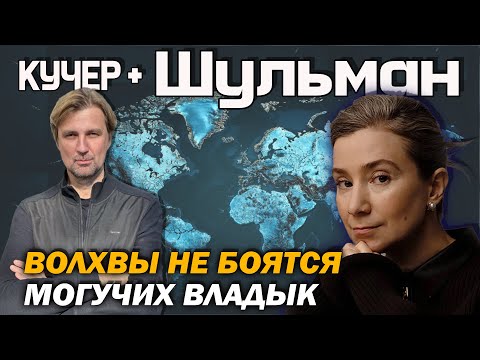
Шульман: о схватке элит в РФ, риске войны в Европе, угрозе фашизма в США, собственной роли и мечтах.
Discussion on Status and Identity
Opening Remarks
- The conversation begins with a greeting between Boris and Nadezhda, highlighting the current state of NATO as a point of contention.
- A discussion arises about the importance of status in society, suggesting that America may be closer to fascism than authoritarianism.
Perspectives on Authoritarianism
- The speaker reflects on the historical context of China as an authoritarian society that has developed over centuries.
Introduction of Guest: Ekaterina Schulman
Setting the Scene
- Boris introduces Ekaterina Schulman, expressing excitement about their conversation and her positive mood today.
Identity and Self-Identification
- Ekaterina discusses her preference for using different names based on her mood, emphasizing personal identity's fluidity.
Gendered Language in Academia
Feminization of Titles
- The conversation shifts to gendered language in academia, particularly how titles like "politologist" can have feminine forms in other languages.
Evolution of Language
- Ekaterina notes that language is dynamic and evolves organically rather than through enforced changes.
Academic Credentials and Aspirations
Academic Journey
- Ekaterina shares her academic background, mentioning her desire to pursue a doctorate but being hindered by external circumstances such as war.
Importance of Academic Titles
- She acknowledges that while she values academic titles, they are not everything; however, they contribute to one's professional identity.
The Significance of Status
Personal Reflections on Status
- A question is posed regarding how important status is for Ekaterina. She admits it holds significance due to her upbringing in an academic family.
Social Perception and Identity Formation
- She emphasizes that societal norms shape individual identities and perceptions about what one deserves or has rights to.
Conceptualizing Habitus
Pierre Bourdieu's Influence
- Ekaterina introduces Bourdieu’s concept of "habitus," which combines personal experiences with social structures influencing behavior and aspirations.
Freedom vs. Constraints
- Discussing freedom within the framework of habitus, she explains how individuals perceive their rights based on societal expectations.
Impact of Political Climate
Professional Challenges
- The discussion turns towards the impact of political repression on professionals in Russia, particularly those who challenge authority or hold dissenting views.
Consequences for Society
- There’s a reflection on how societal norms deteriorate under oppressive regimes leading to widespread violence and injustice.
Philosophical Reflections
Historical Context
- References are made to historical philosophical dialogues illustrating the tension between living authentically versus conforming for comfort or security.
Choices Under Oppression
- Ekaterina contemplates choices made under duress when faced with oppression versus maintaining integrity at great personal cost.
Trauma from Forced Exile
Emotional Toll
- She describes forced exile as a profound trauma affecting both personal life and professional aspirations.
Reflection on Sacrifices Made
- There’s an acknowledgment that many who leave do so at significant emotional costs despite potential material gains elsewhere.
Justifying Political Science
Importance Beyond Basic Needs
- In response to skepticism about political science's relevance amidst basic societal needs like infrastructure improvements, she argues its foundational role in civilizational development.
Interconnectedness with Society's Fabric
- Emphasizes that political stability allows for broader societal functions like education and community safety—essential elements for thriving societies.
Weekly Updates on Political Developments
Introduction of New Political Figures
- The speaker mentions that a new political figure will be introduced weekly, indicating a shift in the political landscape. This was noted as early as September 8th.
- There is skepticism about the necessity of these figures, questioning their purpose in local parliaments and other institutions like theaters.
Autocracy and Self-Organization
- The speaker explains that autocracies resist self-organization and initiative, emphasizing that any form of independent action is discouraged.
- Examples include efforts to protect local environments or run for municipal office; such actions are deemed irrelevant under an autocratic regime.
Internal Dynamics of Power Struggles
Division within the Regime
- A clear division exists between two groups: militarists who support war and guardians who prioritize loyalty to authority over ideological beliefs.
- The guardians are characterized by indifference towards broader issues like war or gender politics; their main concern is maintaining power and status.
Motivations Behind Militarism
- Different factions within the militarist group have varying motivations, from nationalistic aspirations to a desire for territorial expansion regardless of population density.
- Some individuals derive pleasure from violence itself, showcasing a disturbing fascination with brutality in warfare.
Consequences of Internal Conflicts
Repressive Measures Against Factions
- The internal conflict leads to repressive measures against both militarists and guardians, suggesting a cycle of self-destruction within the regime's ranks. Guardians are seen consuming militarists as part of this process.
- There’s an acknowledgment that even loyalists face repercussions for speaking out without permission, highlighting an atmosphere of fear and control among elites.
Historical Parallels
- The speaker draws parallels with historical events where regimes faced similar internal strife but managed to survive through compromises among leaders post-crisis (e.g., after Stalin). This raises questions about current stability amidst ongoing repression.
Optimism vs Pessimism About Future Changes
Diverging Perspectives on Regime Longevity
- Two contrasting views emerge regarding the regime's future: one optimistic about its eventual collapse due to self-consumption, while another pessimistic view suggests it could endure much longer based on historical precedents from past revolutions in Russia.
Social Dynamics Influencing Change
- The discussion highlights how societal marginalization may lead to a resurgence of active social forces capable of challenging the regime when conditions allow for it—emphasizing patience among those waiting for change.
Speculations on War and Governance
Potential Outcomes if War Ends
- Speculation arises around whether Putin's regime can exist comfortably without war; some argue it has become too entrenched in military conflict to pivot away easily despite public sentiment favoring peace negotiations now more than ever.
Public Sentiment Towards Negotiation
- A significant portion of society appears ready for negotiations rather than continued warfare, reflecting a complex relationship between public opinion and governmental actions amid ongoing conflicts with Ukraine.
The Role of the Military in Political Power Dynamics
Military's Lack of Political Agency
- The assumption that a military might be dissatisfied and pose a threat to supreme authority is unfounded; since the end of World War II, the military has not possessed political agency as part of Soviet and post-Soviet policy.
Perception of Military Dissatisfaction
- The idea of a conspiracy among discontented high-ranking military leaders is absurd, as they are typically the last to desire prolonged conflict; it is often civilians who exhibit bloodthirstiness.
Public Acceptance of Victory Narratives
- Society will accept any narrative regarding victory that is presented to them, showing indifference towards issues like Crimea's return. They delegate war-related decisions entirely to their superiors.
Challenges with Returning Soldiers
- There will be challenges related to reintegrating returning soldiers into society, which may create local disturbances rather than affecting Putin directly. Concerns about violence from veterans are raised but deemed manageable.
New Elite Emergence from Veterans
- Veterans from recent conflicts who become part of a new elite were already part of the elite before their service; they have previous experience in nomenclature and politics.
Future Prospects for War and Leadership
Potential for War Continuation or Conclusion
- If offered a bet on whether war continues while Putin lives or if it can end, it’s suggested that war could conclude at any moment he chooses, presenting risks but not threatening his power stability.
Economic Considerations Amidst Conflict
- Economists believe funding will suffice for continued conflict; however, demographic concerns arise regarding sustainability if casualties continue at current rates.
Misconceptions About Military Threats
- There’s an acknowledgment that while personalist power seems unlimited, fears about powerful disgruntled veterans undermining Putin's authority are exaggerated.
Global Context: Russia's Position in International Politics
Shifting Global Dynamics
- Despite societal degradation narratives surrounding Putin, Russia plays a significant role in international politics today compared to 25 years ago during the 1990s.
Authoritarian Trends in Global Politics
- Concerns grow over authoritarian tendencies within global democracies including the U.S., where civil strife or increased authoritarianism may emerge amidst changing political landscapes.
The Impact of Technology on Political Engagement
Internet and Mass Political Participation
- The internet has enabled unprecedented mass political engagement reminiscent of historical shifts like literacy expansion leading to universal suffrage; this could reshape modern political systems significantly.
Historical Comparisons with Democratic Evolution
- Just as past technological advancements transformed societies (e.g., printing press), current digital trends may lead to new forms of governance and social organization globally.
Navigating Modern Political Systems
Absorbing New Social Movements
- Current social movements must be integrated into existing political frameworks without creating chaos akin to past totalitarian regimes following major upheavals like world wars.
Speculations on Future Governance Structures
- Possible outcomes include participatory democracy through technology or fragmentation into various governance models based on individual preferences across different regions.
American Political Landscape: Stability vs. Change
Resilience and Adaptability in U.S. Politics
- The U.S. political system exhibits remarkable resilience and adaptability despite facing pressures similar to those seen historically across diverse societies worldwide.
Demographic Changes Influencing Future Elections
- A growing Latino population may shift electoral dynamics over the next decades as traditional demographics stagnate; addressing these changes effectively is crucial for future governance success.
Addressing Violence and Criminal Justice Reform
- Calls for reforming criminal justice systems highlight urgent needs such as reducing prison populations while ensuring public safety through effective policies.
National Goals for Crime Reduction
- Advocates propose setting national targets for reducing murder rates comparable to safer cities globally, emphasizing proactive measures against violence.
Systemic Issues Within Judicial Processes
- Critiques focus on systemic flaws within judicial processes that allow repeat offenders back onto streets without adequate mental health support or rehabilitation options available.
Cultural Reflections on Violence in Society
- Discussions reflect broader cultural attitudes toward violence within American society necessitating comprehensive dialogue around solutions beyond surface-level reforms.
Fears Surrounding Authoritarianism Rising in America
- Concerns persist regarding potential authoritarian shifts within U.S. politics amid rising tensions between left-wing and right-wing factions reflecting deeper societal divides.
Historical Contextualization Against Fascism Risks
- Historical comparisons illustrate how weakened democracies can more easily transition towards authoritarianism than established autocracies due to pre-existing institutional frameworks being exploited by opportunistic leaders.
Implications for Party Systems Moving Forward
- Observations suggest maintaining competitive party structures remains vital against potential threats posed by single-party dominance leading towards undemocratic practices emerging unchecked over time.
Final Thoughts on Societal Resilience Amidst Challenges
- Emphasizing societal resilience highlights importance placed upon active civic engagement alongside vigilance against encroaching authoritarian tendencies threatening democratic values upheld throughout history.
This structured markdown file captures key discussions from the transcript while providing timestamps linked directly back to specific moments within the content for easy reference.
Reflections on Opportunities and Political Engagement
The Desire for Timing in Life Choices
- The speaker expresses a wish to have been older during a pivotal time of opportunity, reflecting on the excitement of youth spent raising children while missing out on political engagement.
- They note that society was young and focused on consumerism, which limited its ability to seize opportunities for political activism.
Critique of Civic Engagement
- The speaker argues against blaming society for not having a strong civic position during critical moments, suggesting that circumstances could have led to different outcomes if approached differently.
- They highlight that by 2011, Russian society had matured enough to demand political rights, marking this as significant in the context of protests.
Missed Political Opportunities
Speculation on Alternative Outcomes
- The discussion includes hypothetical scenarios where different choices could have led to better political conditions under Medvedev's leadership.
- The speaker indicates readiness to engage in politics if opportunities arise, emphasizing the importance of participation rather than mere observation.
Responsibilities in Future Politics
- They acknowledge an obligation to apply their knowledge for the benefit of their country if given the chance but remain uncertain about direct involvement in politics.
Personal Significance and Public Influence
Understanding Self-Worth and Influence
- Acknowledging their influence over public opinion, the speaker reflects on how self-significance drives many actions beyond basic instincts.
- They discuss how even introverted individuals can effectively communicate ideas publicly when focused on their subject matter rather than themselves.
Teaching Philosophy and Personal Growth
- The speaker identifies as an introvert who has developed teaching skills over time but still feels limited by their monologic style.
- They express pride in maintaining functionality amidst societal pressures and personal challenges since 2022.
Perspectives on Happiness and Fulfillment
Defining Happiness Amidst Chaos
- Reflecting on happiness, they share a sentiment that true happiness is elusive amid current global uncertainties.
- They question whether inner peace can exist without safety or stability, highlighting the challenges faced in creative processes without secure environments.
Functional Living vs. Aspirational Goals
- Despite acknowledging difficulties, they take pride in fulfilling responsibilities across various aspects of life as part of their self-worth.
Dreams vs. Goals: A Personal Reflection
Distinguishing Between Dreams and Goals
- The speaker clarifies that they do not hold long-term goals due to skepticism about structured plans but possess aspirations that are more abstract.
Childhood Aspirations Revisited
- Sharing childhood dreams of travel and exploration highlights how these dreams evolved into realizable goals later in life.
Nostalgia for Simplicity
Longing for Simpler Times
- Reflecting nostalgically on simpler desires from childhood illustrates a yearning for peace amidst modern complexities.
Imagining Peaceful Scenarios
- Envisioning peaceful everyday activities serves as a coping mechanism against current societal tensions while fostering hope for future tranquility.
Closing Thoughts: Future Conversations
Unfinished Discussions
- The conversation ends with an acknowledgment of many topics left unexplored, particularly regarding Russian opposition dynamics.
Invitation for Continued Dialogue
- An invitation is extended for future discussions while encouraging viewers to engage with content shared online.