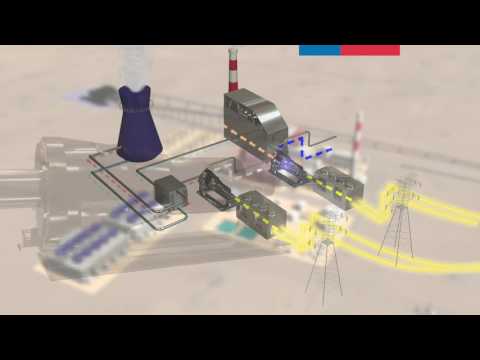
Centrales Termoeléctricas
How is Electric Energy Generated?
Introduction to Energy Use
- Humans utilize energy for various daily activities such as heating, watching television, and listening to music. This energy is derived from natural sources like the sun, earth, and water.
Types of Energy Sources
- Energy sources are categorized into renewable and non-renewable types. Non-renewable sources (e.g., coal, natural gas, oil) are finite and will eventually deplete.
- Renewable energy can be further divided into conventional (widely used due to technological development) and non-conventional sources (not yet mass-utilized), including geothermal, wind, and solar energy.
Thermoelectric Power Plants
- A thermoelectric power plant generates electricity by converting heat obtained from burning fossil fuels or biomass into steam that drives a turbine.
- Key components of a thermoelectric plant include:
- Boiler: Converts water into steam.
- Steam Turbine: Utilizes steam pressure to generate mechanical movement connected to a generator.
- Generator: Converts mechanical energy from the turbine into electrical energy.
Operation of Conventional Thermoelectric Plants
- Differences in fuel treatment exist based on the type of fuel used; coal must be crushed while oil needs pre-heating for efficient combustion.
- The cooling system involves condensing steam back into liquid water in a closed circuit which returns to the boiler after being heated again.
Combined Cycle Power Plants
- Combined cycle plants typically use natural gas as fuel with two turbines: one for steam (conventional cycle) and another for gas that utilizes exhaust gases for additional electricity generation.
Environmental Impacts During Construction
- Potential impacts during construction include:
- Disruption of local communities' lifestyles due to increased population influx.
- Emissions leading to air quality degradation and noise pollution.
Environmental Impacts During Operation
- Operational impacts may involve:
- Air quality deterioration from emissions or ash release.
- Changes in surface or groundwater quality affecting aquatic organisms.