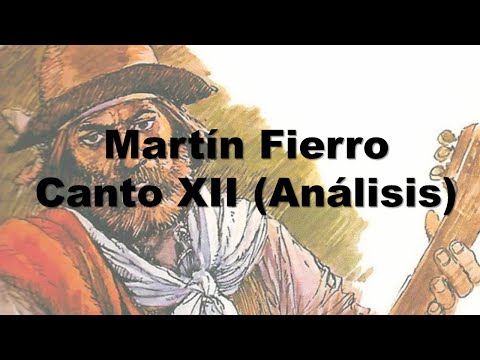
Martín Fierro - Canto 12 - Análisis
Analysis of Canto 12 from Martín Fierro
Introduction to the Canto
- The canto begins with a reflection on the fleeting nature of life, expressing uncertainty about its duration and the hardships faced by gauchos.
- It highlights the struggles of living in poverty, where survival sometimes necessitates extreme measures like eating horse meat.
Life of the Gaucho
- The narrative emphasizes that gauchos often live their entire lives in misfortune without any hope for improvement until death arrives.
- A friend helps Cruz (the protagonist) by intervening with a judge, revealing that many criollos have either died or fled due to ongoing conflicts.
Transition to Police Work
- The judge offers Cruz a position as a police officer, recognizing his bravery and decency, ultimately promoting him to sergeant.
- Cruz recounts his decision to join forces with Fierro instead of continuing as a police officer, indicating a shift in allegiance.
Survival Skills and Nature
- Cruz assures Fierro that they will always have what they need for survival—food, shelter, and clothing made from animal hides.
- He describes his adaptability to harsh conditions and how he can endure suffering while living off the land.
Reflection on Suffering
- The discussion reflects on how gauchos are viewed as expendable by those in power; their suffering is often ignored or trivialized.
- Cruz shares an experience where he overheard judges discussing wealth accumulation at the expense of soldiers' labor, highlighting systemic exploitation.
Conclusion: A Call for Awareness
- The conversation reveals fears about future desolation if current injustices continue unchecked; only bones will remain where gauchos once lived.
Turn any video into a summary like this
YouTube links, meetings, lectures — with transcripts, search, and chat.