Descripción del proyecto en EIA | 4/16 | UPV
Introduction and Importance of Environmental Impact Assessment
Inmaculada Romero Hill introduces the concept of environmental impact assessment, emphasizing its significance in evaluating the environmental effects of projects.
Understanding Project Differences
- Projects like dams and roads vary in magnitude and functioning, leading to different environmental impacts.
- Key objectives include identifying significant environmental aspects, listing project actions, and discussing alternative selection.
Description of Project and Actions
The focus shifts to detailing the project description, actions involved, and considerations for selecting alternatives.
Project Description
- Environmental impact studies aim to assess a project's effects on the environment to make informed decisions.
- Describing the project involves outlining its nature, construction phase, operational methods, lifespan, and post-operation plans.
Resource Estimation
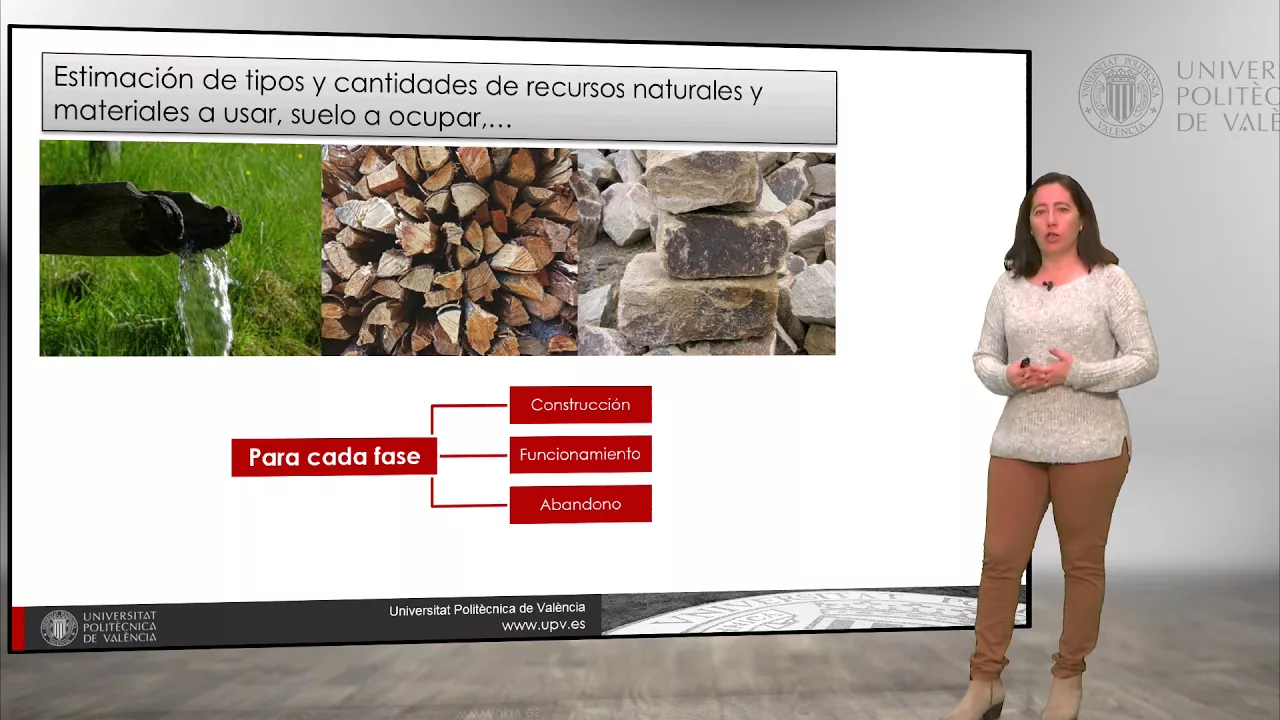
- Identifying project locations, resource usage estimates (natural resources, materials), waste generation projections are crucial across all project phases.
- Regulations necessitate estimating resource types/quantities used and waste/emission levels for each phase to anticipate environmental impacts.
Project Actions and Alternatives
Delving into project actions required during construction, operation phases along with exploring alternative solutions as mandated by regulations.
Project Actions
- Defining project actions involves tasks essential for construction, operation (e.g., soil occupation), maintenance activities (e.g., deicing roads).
Alternative Solutions
New Section
In this section, the speaker discusses alternatives to constructing a road, emphasizing the importance of considering different options from an environmental perspective.
Exploring Alternatives to Road Construction
- The image depicts a road construction project, prompting consideration of alternative options such as varying the route - north, center, south - and evaluating these choices based on their environmental impact.
- Beyond road construction, other projects like industrial sites or sewage treatment plants offer opportunities for alternative location considerations. Different parcel placements can significantly influence project outcomes.
- Regulatory requirements necessitate a detailed description of each project phase (construction, operation, abandonment), including variations in design or function. Evaluating environmental effects mandates thorough documentation for all proposed alternatives.