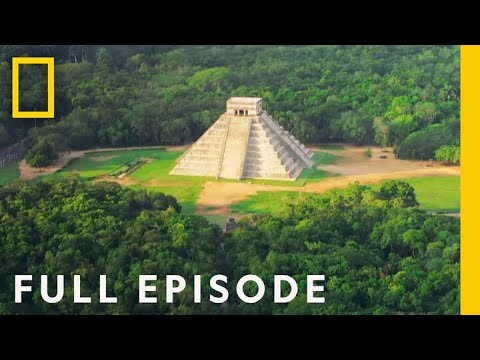
From Baja to Patagonia (Full Episode) | Sobrevolando: Latin America from Above
Exploring the Cultural Richness of Latin America
Introduction to Latin America's Diversity
- Latin America is described as a vast cultural territory from Baja California to Patagonia, covering 15% of Earth's land and home to diverse cultures.
Baja California Sur: A Natural Paradise
- The journey begins in Baja California Sur, featuring Loreto Bay National Park with dramatic cliffs and rich marine life, including California sea lions and bottlenose dolphins.
- Jacques Cousteau referred to the Gulf of California as "the world's aquarium," highlighting its ecological significance.
- The archipelago Espiritu Santo is a UNESCO World Heritage site known for its volcanic rock formations and biodiversity.
Historical Significance of Guerrero Negro
- On the Pacific side lies Guerrero Negro's salt mine, the largest globally, producing 8.8 million tons annually—enough salt for U.S. consumption for nearly 20 years.
Cabo San Lucas: A Tourist Haven
- Cabo San Lucas features iconic rock formations like the Stone Arch, historically significant as pirate hideouts but now popular tourist destinations.
The Yucatan Peninsula: Maya Civilization and Natural Wonders
Cenotes: Sacred Water Sources
- The Yucatan Peninsula is dotted with cenotes, natural sinkholes believed by the Maya to be gateways between worlds; over 7,000 exist in this region.
Chichen Itza: A Symbol of Maya Culture
- Chichen Itza was a major Maya city with a sacred cenote used for human sacrifices; it reflects advanced architectural knowledge through its pyramid structure aligned with celestial events.
Campeche: Colonial Architecture
- Campeche showcases well-preserved colonial architecture recognized by UNESCO due to its historical significance as a fortified port against pirates during the Spanish era.
Dominican Republic: Cultural Heritage and Natural Beauty
Santo Domingo's Historical Roots
- Santo Domingo is noted as the first city founded by Spain in the Americas, featuring historic sites like Fort Ozama and Cathedral Santa Maria la Menor linked to Christopher Columbus's remains controversy.
Merengue Music: Cultural Expression
- Merengue music has been recognized by UNESCO as an intangible cultural heritage reflecting Dominican diversity; traditional instruments include Taino guira and African drums.
Artistic Renaissance in La Romana
Altos de Chavón: A Cultural Hub
- Altos de Chavón is a replica Mediterranean village that hosts museums and concerts within its Roman amphitheater built in the 1970s, showcasing artistic revival in Caribbean culture.
Nature’s Bounty on Samana Peninsula
Coconut Palm Cultivation
- The Samana Peninsula boasts high concentrations of coconut palms cultivated using traditional methods passed down through generations among descendants of various cultural backgrounds including Taino and African Americans.
Peru: Cradle of Ancient Civilizations
Lima’s Coastal Heritage
- Lima stands out as South America's only capital facing the ocean while blending modernity with ancient cultures amidst colonial monuments along its coastline characterized by steep cliffs attracting surfers worldwide.
Nazca Lines: Mysteries from Pre-Inca Times
- The Nazca Lines are ancient geoglyphics etched into Peru's desert landscape believed to have served astronomical or religious purposes; they showcase remarkable engineering skills from pre-Hispanic civilizations dating back centuries ago.
Incan Legacy in Cusco
Architectural Marvel at Machu Picchu
- Machu Picchu represents Incan ingenuity built atop mountains serving political/religious functions; it remains one of seven wonders due to its breathtaking location amid dense jungle surroundings .
Argentina’s Diverse Landscapes
Iruya’s Religious Syncretism
- Iruya exemplifies cultural blend through celebrations honoring Virgen De Rosario alongside indigenous traditions marking agricultural cycles despite geographical isolation at high altitudes .
Salar de Arizaro Salt Flat
- Argentina houses Salar de Arizaro—the world’s largest salt flat—featuring unique geological formations shaped over millennia influenced by wind patterns creating stunning landscapes .
This markdown file encapsulates key insights from each section chronologically while providing timestamps for easy reference back to specific parts of the transcript.