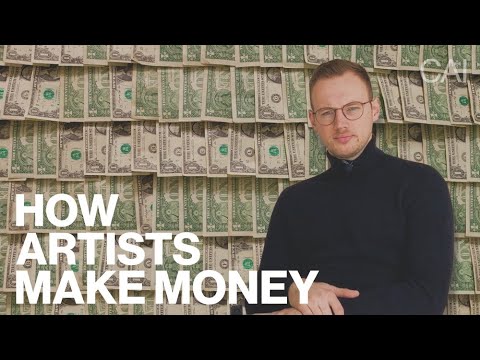
20 Ways: How To Make Money As An Artist (Ranked from Best to Worst)
Introduction
The video introduces the topic of how to earn a living as an artist and emphasizes the importance of balancing artistic integrity with financial objectives.
Ways to Make Money as an Artist
- Selling artwork is the number one way to make money as an artist. However, it is important to create a natural demand for your work by standing out and contributing distinctively to a specific niche in art.
- Exhibiting your work at art galleries is the most effective way to generate sales. Gallery representation can help sell your work without compromising your artistic integrity.
Challenges in Making Money as an Artist
- The art market is saturated, making it difficult for artists to stand out and generate sales. Creating a natural demand for your work is crucial.
- Balancing commercial success with artistic integrity can be challenging due to the ambiguous relationship between art and money. Artists need to maintain their integrity while also being commercially viable.
Long-Term Success Strategies
- Pursuing artistic quality and using the right strategies are key to long-term success as an artist. Thinking long term and applying effective marketing techniques can lead to a full-time career or even a six-figure yearly income or more.
Generating Sales Without Gallery Representation
This section explores alternative ways for artists to exhibit their work and generate sales if they haven't received invitations from art galleries.
Alternative Exhibition Methods
- Participating in art fairs allows artists to showcase their work directly to potential buyers, collectors, and curators. Art fairs provide a platform for exposure and sales opportunities.
- Online platforms and social media can be powerful tools for artists to showcase their work, build an audience, and sell directly to buyers. Utilizing e-commerce platforms and engaging with online communities can help generate sales.
Collaborations and Commissions
- Collaborating with other artists or creative professionals can lead to joint exhibitions or projects that attract attention and generate sales. Networking within the art community is essential for finding collaboration opportunities.
- Accepting commissions from clients who are interested in custom artwork allows artists to create personalized pieces while also earning income. Building a reputation for quality commissions can lead to more opportunities in the future.
Teaching and Workshops
This section explores how artists can leverage their skills and expertise by teaching art classes or conducting workshops.
Teaching Art Classes
- Offering art classes or workshops allows artists to share their knowledge, skills, and techniques with others while generating income. Teaching can be done in-person or online through platforms like Zoom or YouTube tutorials.
Artist Residencies
- Participating in artist residencies provides artists with dedicated time and space to focus on their artistic practice while also gaining exposure through exhibitions or open studio events. Some residencies offer stipends or financial support for participating artists.
Conclusion
The video concludes by emphasizing the importance of finding a balance between artistic passion, financial stability, and maintaining integrity as an artist. It encourages artists to explore various avenues for making money while staying true to their artistic vision.
New Section
This section discusses various avenues for artists to exhibit and sell their work, including open calls for exhibitions, renting exhibition spaces, hosting open studio days, and avoiding vanity art galleries.
Opportunities for Exhibiting and Selling Art
- Artists can apply to open calls for exhibitions via platforms like Artana or participate in art contests and residencies that often culminate in an exhibition. Renting an exhibition space is another option, which can be shared with other artists to reduce costs.
- Hosting your own exhibition provides valuable exhibiting experience, enhances your artist resume, and offers opportunities to sell your work. It also allows you to capture high-quality photographs of your art in an ideal context. Open Studio days are a great way to invite potential buyers and convert their interest into sales.
- Avoid vanity art galleries that require artists to pay exorbitant fees without focusing on making actual sales. These galleries profit from the fees charged rather than promoting artists' work effectively.
Artist Residencies
- Artist residencies provide temporary stays in specific environments where artists can produce and develop their work. Many residencies offer studios, working material budgets, daily allowances, lodging, and sometimes participation fees. They provide ideal settings for creating art while getting funded or even paid for it. Residencies often result in exhibitions showcasing the artists' work.
- Artist residencies are funded by institutions, foundations, or wealthy private collectors who support the arts. Artists may have the opportunity to have their works acquired by these entities or receive commissions from sales at the end of the residency period. Participating in artist residencies not only provides financial support but also facilitates networking with influential individuals in the art world. It adds credibility to an artist's resume as well.
Art Stipends and Grants
- Art stipends and grants offer financial support to artists while they work on their art projects. These funds are provided regardless of future sales and are often awarded to projects with social or artistic relevance. Artists working in disciplines with high costs, such as installation art or public sculpture, are more likely to receive these stipends and grants. Receiving a grant or stipend is considered a valuable attribute for an artist's resume.
Art Prizes, Awards, and Contests
- Artists can apply for art prizes, awards, and contests through open calls. A jury examines the submitted works and selects artists as finalists or winners. The top three usually receive cash prizes, while all selected artists or finalists have the opportunity to exhibit their work at the end of the prize event. Participating in art prizes not only offers a chance to earn cash but also allows artists to connect with individuals scouting for emerging talent in the art world. Being selected as an artist is considered a validation from the art community and adds value to an artist's resume.
- However, it is important to be cautious of online vanity art contests that primarily aim to profit from application fees rather than promoting artists' work effectively. These contests have increased in number in recent years.
Art Contests and Validation
This section discusses the factors that determine the legitimacy and value of art contests, including application fees, jury composition, history of the prize, and the reputation of the organizer.
Factors for Legitimate Art Contests
- The best art contests are often funded publicly or by foundations or governments, which usually do not require an application fee.
- The presence of a renowned jury consisting of established artists or art critics adds credibility to the contest and validates the selection process.
- Previous winners who have become established artists indicate that the art prize has an impact in the art world.
- The reputation and standing of the organizing entity, such as a renowned institution or foundation, contribute to the legitimacy of the contest.
Public Arts and Projects
This section explores opportunities for artists in public arts and projects through open calls. It highlights that these opportunities may have specific criteria, budgets, and agendas set by organizers.
Open Calls for Public Arts and Projects
- Public arts and projects offer opportunities through open calls for specific projects like public sculptures or exhibition projects.
- Open calls have specific criteria for applications, clear budgets, and their own agenda or theme.
- Artists may need to tailor their artwork to meet the expectations set by open calls.
- Participating in public arts and projects adds industry acceptance to an artist's resume.
Additional Questions & Subscribing to Channel
This section encourages viewers to subscribe to their channel for more information on various topics related to monetizing art. It emphasizes that each topic discussed could be a separate video due to its complexity.
Additional Questions & Subscribing
- Viewers are encouraged to subscribe to their channel for more videos discussing multiple topics related to monetizing art.
- Each way of monetizing art is considered a separate topic that could have its own dedicated video.
Art Fairs
This section discusses the potential for artists to earn money through art fairs, whether represented by a gallery or as self-represented artists. It highlights the conflict between artistic integrity and commercial success.
Art Fairs for Artists
- Galleries often represent artists at art fairs to maximize exposure and generate sales.
- Artists without gallery representation can still participate in art fairs and festivals by renting booths themselves.
- Self-represented artists may face a conflict between maintaining artistic integrity and being too commercial.
- Renting booths at art fairs can be lucrative but may be less industry accepted in terms of quality and long-term sustainability.
Online Marketplaces
This section explores the opportunities for selling artwork online, both discreetly through personal connections and publicly through online marketplaces. It distinguishes between industry accepted marketplaces and other platforms.
Selling Artwork Online
- Artists with a decent following on Instagram can sell their work discreetly through personal connections.
- Industry accepted online marketplaces like Artsy and First Dibs provide opportunities for public sales.
- Other online marketplaces exist but may vary in terms of industry acceptance and quality standards.
The transcript ends here.
The Impact of Online Art Marketplaces
This section discusses the drawbacks of online art marketplaces and their impact on an artist's career.
Drawbacks of Online Art Marketplaces
- Online art marketplaces like Sachi, Mutual Art, Fine Art America, and Etsy are often oversaturated with numerous artists who cannot find representation in galleries or achieve sales independently.
- Being associated with less successful artists on these platforms can harm an artist's reputation.
- The results from online marketplaces are generally underwhelming and not industry accepted.
- Prices are openly displayed, which lacks discretion and can be harmful if a gallery is interested in working with the artist.
Selling Art Prints
- Selling art prints can be another opportunity to make money as an artist.
- However, it is less lucrative compared to selling original pieces.
- Selling prints may devalue an artist's work by offering multiple copies instead of unique originals.
- Maintaining artistic integrity while offering lower-priced prints is important.
- Limited edition signed and numbered prints (up to 15 per edition) are recommended.
Accepting Commissions
- Accepting commissions involves creating artwork based on specific requests from collectors.
- It can be beneficial as the artwork is already sold before creation.
- However, it may limit artistic freedom and compromise artistic integrity in some cases.
- Discretion is advised when doing commissions to differentiate them from personal work.
Selling Art Books or Artist Editions
- Selling art books or artist editions can be an industry accepted way to make money as an artist.
- However, it is difficult to make this strategy profitable due to high printing costs and the need for a decent audience or collector base.
- Art books can serve as statements or printed portfolios for photographers, enhancing credibility.
Other Ways to Make Money as an Artist
This section explores additional art-related side hustles that can generate income for artists.
Art Speaker
- Artists can share their experiences, inspire others, and participate in debates and discussions as art speakers.
- It may be challenging to find a job as an art speaker, but it offers good money when successful.
- Being an art speaker enhances credibility and can be added to an artist's resume.
Art Curator
- Many artists also work as curators, such as Luke 3 Months or Damien Hirst.
- Being an artist curator adds intellectual authority in the art world and benefits an artist's credibility in the long term.
The transcript does not provide further information beyond this point.
Making Money as an Artist
This section discusses various ways artists can make money and the implications of each method.
Teaching Art
- Teaching art is a common way for artists to make a living while sharing their skills and knowledge.
- It is accepted by the art world as long as it is done in an educational context, focusing on teaching the basics of your artistic discipline.
- However, it is important not to reveal personal techniques and secrets while teaching.
Patreon
- Patreon offers an alternative way for artists to get paid by allowing followers or fans to contribute a monthly amount to support them.
- While it can be effective, making a decent amount of money on Patreon requires a large and engaged audience.
- Having a Patreon page is not common in the art world but also not frowned upon.
Crowdfunding
- Crowdfunding can be used to generate money for specific projects when traditional funding sources are unavailable.
- It is industry accepted and can be a great strategy for moving forward as an artist.
- However, crowdfunding focuses on realizing specific projects rather than getting paid as an artist in general.
YouTube
- YouTube provides clear monetization opportunities through ad income based on views.
- Building a following and earning money on YouTube can be powerful but still somewhat frowned upon in the art world.
- Maintaining artistic integrity and professionalism on YouTube is crucial for artists who want to have a serious career.
Blogging
- Blogging about art should be done discreetly and separate from your artist profile or website.
- Blogging about your own art does not result in significant income or benefit your career as an artist.
- Monetizing an art-related blog with ads and affiliate income is challenging due to competition in the niche.
Online Art Courses
- Offering online art courses on platforms like Skillshare is accepted in the art industry.
- However, selling artistic secrets and techniques publicly online can risk losing artistic integrity.
- The effectiveness and worthiness of offering art courses depend on the content created and shared.
Affiliate Marketing
- Using social media channels for affiliate marketing as an artist is seen as too commercial and can harm artistic integrity and credibility.
- To make good money through affiliate marketing, a substantial following is required.
Merchandise and Print on Demand
- Printing and selling artwork on merchandise like t-shirts or coffee mugs is considered devaluing art in the high-end art world.
- While it may be suitable for creative individuals or illustrators, it diminishes chances of success in the real art world.
The language used in this summary follows the language of the transcript.
Opportunities and Challenges in the Art World
In this section, the speaker discusses the opportunities and challenges artists face in the art world. They emphasize the importance of focusing on long-term success rather than short-term gains.
Long-Term Success in the Art World
- The most lucrative and industry-accepted options for artists are those that focus on long-term success.
- Short-term strategies to make quick money can harm an artist's credibility.
- It is important to maintain a good life-work-art balance and avoid going full-time as an artist too early.
Stable Source of Income
- Having a stable source of income, preferably within the arts field, is advised.
- Examples include working as staff in a museum, art handler, or teacher.
- Going full-time as an artist too early may lead to compromising artistic integrity or struggling financially.
Creating Demand for Your Art
- Focus on creating high-quality art and building your profile as an artist.
- Natural demand for your work can be achieved by following the right information and advice provided in this video and other resources.
- The website contemporaryartissue.com offers more articles with career advice.
Personalized Advice for Artists
- The speaker offers personalized advisory reports and one-on-one video calls to help artists move forward in their careers.
- This service has high demand, so there may be a waiting list.
- Interested individuals can apply through the link provided in the description or pinned comment.
Conclusion
- Viewers are encouraged to watch other videos on becoming a successful self.artist in six steps.
- Support on Patreon and subscribing will keep viewers updated on contemporary arts and practical advice.
Timestamps have been used where available to provide links to specific parts of the video.