Basic of Knitting | Warp and Weft Knitting Mechanism || How Knit Fabric Produces ?
Understanding Knitting: Weft vs. Warp
Overview of Knitting Techniques
- Knitting is defined as the intermeshing of yarn into loops to create fabric, utilizing two primary systems: weft and warp.
- Weft knitting involves forming loops horizontally with adjacent needles, primarily using circular or flatbed machines.
Weft Knitting Details
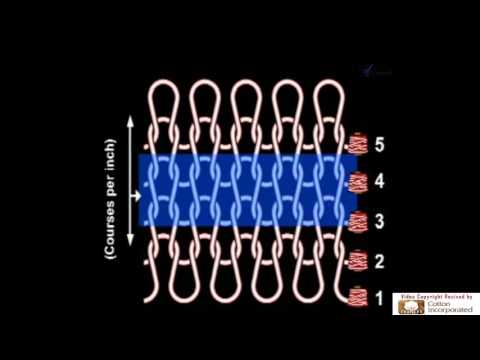
- Circular knitting machines produce a tube of fabric by completing one course for each yarn fed during one revolution.
- The structure consists of horizontal rows called courses, measured in courses per linear unit (e.g., five courses per inch).
- Vertical columns formed by the same needle over successive cycles are known as wales, also measured per linear length (e.g., five wales per inch).
Introduction to Warp Knitting
- Warp knitting differs from weft knitting by forming loops vertically; it requires separate lengthwise yarns wound onto a beam.
- Each needle typically needs its own warp yarn; thus, 1,000 needles require at least 1,000 warp yarns for basic fabrics.
Characteristics of Warp Knitting Machines
- Individual needles knit simultaneously across the machine's width, producing various fabrics like tricot and raschel through vertical feeding of warp yarns.