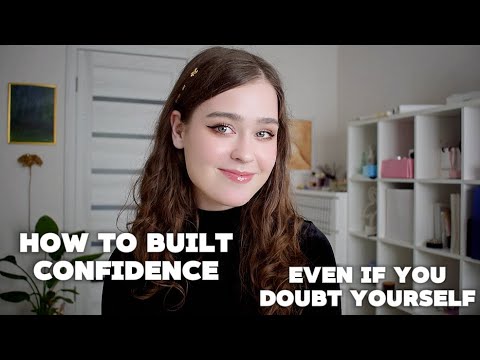
How to built confidence | even if you doubt yourself
How to Build Confidence and Overcome Embarrassment
Introduction to Confidence
- The speaker introduces the topic of confidence, addressing common feelings of self-doubt and embarrassment.
- Olya welcomes viewers back to her channel, mentioning this is the eighth video in a series focused on personal development.
Accepting Past Embarrassments
- Olya emphasizes the importance of accepting past embarrassing moments as a step towards building confidence.
- She suggests viewing embarrassing situations with humor rather than shame, which can help diminish their power over you.
- By reframing how we perceive our past actions, we can prevent others from labeling them as embarrassing.
Changing Perspectives on Embarrassment
- Olya shares personal anecdotes about how she used to dwell on embarrassing moments but now finds them humorous.
- She encourages viewers to remember that time often transforms these memories into funny stories rather than sources of shame.
- The speaker advises against allowing others to define your experiences as embarrassing; doing so gives them power over you.
Mindset Shift for Confidence
- Olya introduces the "so what?" technique for dealing with mistakes, promoting a mindset shift towards acceptance and learning from experiences.
- She stresses that everyone makes mistakes and it’s essential to forgive oneself and focus on present opportunities for growth.
Body Language as an Indicator of Confidence
- The discussion shifts to body language, highlighting its role in conveying confidence.
- Olya provides practical advice on maintaining good posture as a simple yet effective way to appear more confident.
Importance of Eye Contact
- The speaker discusses eye contact as another crucial aspect of confident communication, encouraging practice despite initial discomfort.
- [] (No timestamp provided here; please refer back if needed.)
How to Build Confidence Through Body Language and Communication
The Power of Eye Contact
- Making eye contact can significantly alter how others perceive you, especially if you've previously been seen as shy or lacking confidence. This simple habit can lead to a powerful transformation in your self-image.
Changing Habits for Self-Perception
- As you begin to adopt new habits, such as maintaining eye contact, you'll start to view yourself as more confident. Celebrating small victories in this process is crucial for motivation.
Importance of Body Language
- Your body language communicates your willingness to engage with others. Open gestures are essential; crossing arms can signal disinterest or defensiveness.
Speaking Style and Its Impact
- Speaking slowly and using light gestures enhances attractiveness in communication. Rushing indicates insecurity and a lack of confidence that people will listen.
The Role of Smiling
- Smiling while talking conveys friendliness and confidence. A lack of emotion can make interactions feel cold, whereas a smile invites connection.
Vocal Variety Enhances Attractiveness
- Utilizing different vocal tones makes your speech more engaging. A monotonous voice lacks appeal; varying pitch shows confidence and freedom in expression.
Music as a Confidence Booster
- Listening to empowering music can shift focus from self-doubt to self-assurance. Create a playlist that makes you feel like the main character when navigating social situations.
Embracing Uniqueness and Comfort in Appearance
- Accepting yourself and wearing comfortable clothing boosts confidence. Finding styles that suit you takes time but is essential for feeling good about yourself.
Conclusion: Building Confidence Takes Time
How Dressing Well at Home Boosts Confidence
The Impact of Personal Style on Confidence
- Wearing clothes that you love, even at home, can significantly enhance your confidence. When you dress beautifully for yourself rather than for others, it positively affects how you feel.
- Transitioning from wearing unappealing home clothes to beautiful outfits has made a noticeable difference in self-perception and confidence levels. Feeling good in what you wear leads to a more confident mindset.
- Consistently looking good encourages positive thoughts about oneself, fostering an environment where confidence can thrive. This shift in mindset allows for better social interactions and body language.
Body Language and Self-Presentation
- The way one interacts with jewelry or clothing during conversations can reveal comfort levels. Fidgeting with accessories may indicate nervousness or lack of confidence.
- Instead of nervously touching jewelry, adopting a calm demeanor while interacting with accessories can project confidence and poise.
Overcoming Negative Thoughts
- Controlling negative thoughts is crucial for building self-confidence. Reframing thoughts from "I look ridiculous" to "This is exciting" can open up opportunities for connection and interaction.
- Taking action despite feelings of insecurity is essential; proving oneself wrong by engaging with others can lead to unexpected friendships and experiences.
Conclusion
Turn any video into a summary like this
YouTube links, meetings, lectures. With transcripts, search, and chat.