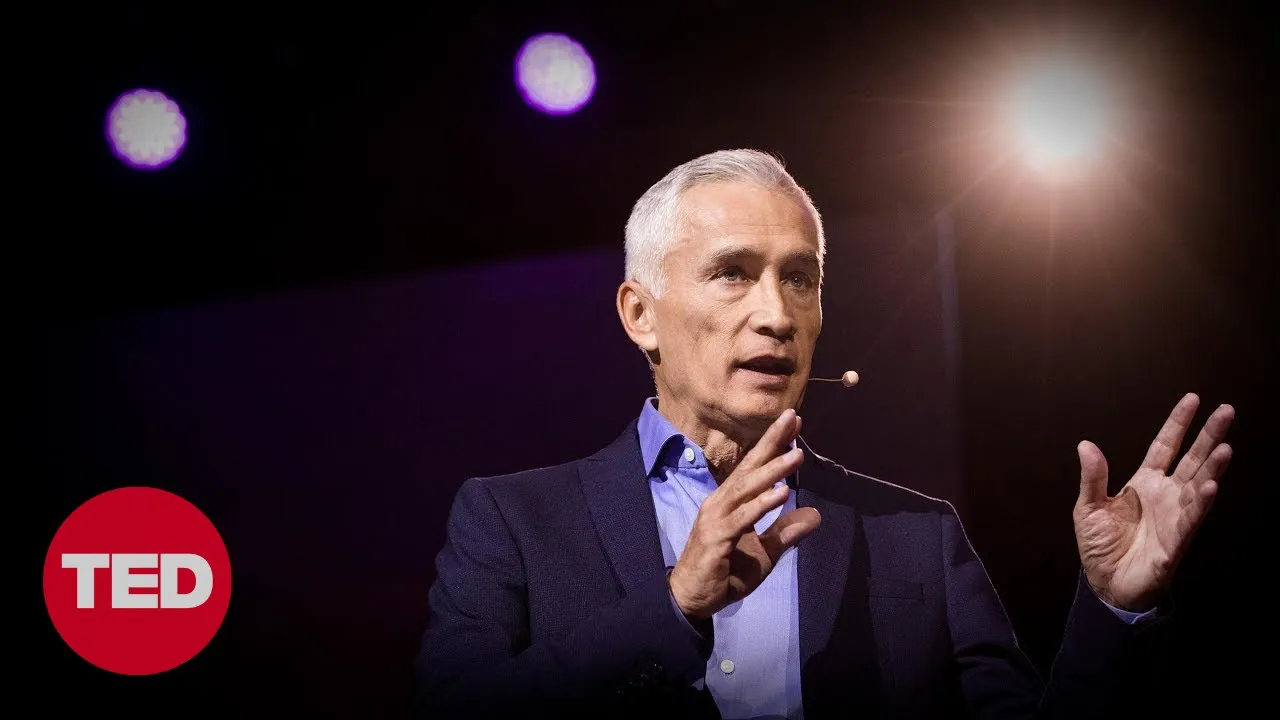
Jorge Ramos: Why journalists have an obligation to challenge power (with English subtitles) | TED
The Role of Journalism in Challenging Power
The Identity of a Journalist
- Camille Martínez introduces herself as both a journalist and an immigrant, emphasizing how these identities shape her perspective.
- She asserts that neutrality in journalism often serves as an excuse to evade responsibility, which is to question and challenge those in power.
The Complexity of Truth
- Martínez argues that presenting both sides of a story does not guarantee truth; life’s complexities require journalism to reflect deeper realities.
- She rejects the notion of being merely a "tape recorder," highlighting that journalists must make ethical and moral judgments constantly.
Ethical Dilemmas in Reporting
- Martínez poses critical questions about reporting under oppressive regimes, illustrating the moral choices journalists face when covering dictatorships or corruption.
- She shares personal experiences from her early career, detailing the challenges she faced while trying to report on democracy issues in Mexico.
A Defining Moment: Resignation and Immigration
- After facing censorship for criticizing the president, she made the pivotal decision to resign from her job at 24 years old.
- This decision led her to immigrate to the United States, where she recalls feeling a sense of freedom upon arrival.
Experiences as an Immigrant Journalist
- In the U.S., Martínez found a stark contrast in journalistic freedom compared to Mexico, noting how colleagues criticized President Reagan without repercussions.
- However, this changed during the 2016 presidential election when she was confronted with derogatory comments about Mexican immigrants by a candidate.
The Role of Journalists in Confronting Power
Lessons Learned from Confrontation
- The speaker shares two key lessons learned: never give your cell number to Donald Trump and the importance of abandoning neutrality as a journalist. This shift led to a mission focused on confronting misinformation about immigrants.
Statistics on Undocumented Immigrants
- The speaker presents statistics indicating that 97% of undocumented individuals in the U.S. are law-abiding, contrasting with 6% of U.S. citizens who have committed serious crimes. This data supports the argument that undocumented immigrants generally behave better than citizens.
Confrontation at Trump's Press Conference
- The speaker recounts an attempt to confront Donald Trump during a press conference, emphasizing the need for journalists to challenge false claims directly.
- A tense exchange occurs where Trump dismisses the speaker's right to ask questions, highlighting issues of access and respect for journalistic inquiry.
- Security personnel intervene, attempting to silence the speaker, which underscores challenges faced by journalists when confronting powerful figures.
The Impact of Hate Speech
- The speaker reflects on how hate can spread quickly; after Trump's dismissal, audience members echoed similar sentiments without recognizing the speaker's citizenship status.
Embracing Dissent and Taking Sides
- Emphasizing the power of saying "no," the speaker argues that this word is crucial for initiating change and standing up against oppression.
- Quoting Elie Wiesel, the importance of taking sides in journalism is reinforced—neutrality benefits oppressors rather than victims.
Journalistic Integrity Against Power
- The concept of "contrapoder" (anti-establishment) is introduced as essential for journalists who must oppose those in power rather than align with them socially or politically.
- When interviewing influential figures, it’s vital to ask difficult questions since they may not be asked by others; prioritizing truth over personal rapport is emphasized.
Conclusion: A Call for Courageous Journalism
Turn any video into a summary like this
YouTube links, meetings, lectures — with transcripts, search, and chat.